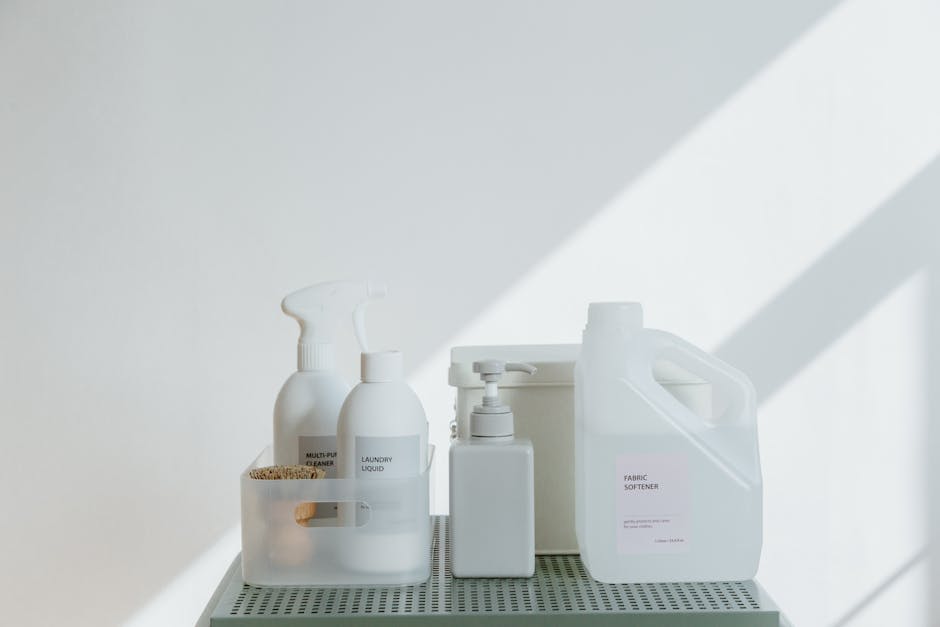
Minimalist Home Decor Ideas for Clean and Simple Homes
Looking to create a calm, clutter-free living space? Minimalist home decor ideas focus on simplicity, functionality, and intentional design to transform your home into a serene retreat. By choosing quality over quantity, using a neutral color palette, and eliminating unnecessary items, you can achieve a clean and simple home that feels spacious and peaceful. This guide walks you through practical strategies—from furniture selection to storage solutions—to help you embrace minimalism without sacrificing comfort or style.
What Is Minimalist Home Decor?
Minimalist home decor is a design philosophy rooted in the principle of “less is more.” It emphasizes clean lines, open spaces, and a limited color scheme to create environments that feel calm and uncluttered. Unlike maximalist styles that celebrate abundance and ornamentation, minimalism prioritizes function, purpose, and visual breathing room.
At its core, minimalist decor isn’t about empty rooms or stark emptiness—it’s about curating only what you truly need and love. Every item in a minimalist space should serve a purpose or bring genuine joy. This intentional approach reduces visual noise, lowers stress, and makes daily routines more efficient.
Key Principles of Minimalist Design
- Simplicity: Avoid decorative excess. Choose furniture and accessories with clean, geometric forms.
- Functionality: Every piece should have a clear use. Multi-functional furniture is highly valued.
- Neutral Palette: Stick to whites, grays, beiges, and soft earth tones to maintain visual harmony.
- Open Space: Keep floor areas visible and unblocked to enhance the sense of spaciousness.
- Natural Light: Maximize daylight with sheer curtains or blinds that allow sunlight to filter in.
How to Start with Minimalist Home Decor
Transitioning to a minimalist home doesn’t require a complete overhaul. Begin with small, manageable steps that align with your lifestyle and space constraints. The goal is progress, not perfection.
Step 1: Declutter Room by Room
Start by removing items you no longer use, need, or love. Use the “one in, one out” rule: for every new item brought in, remove an old one. Focus on high-traffic areas first—like the living room or bedroom—where clutter is most noticeable.
Sort items into three categories: keep, donate, and discard. Be honest about sentimental objects—display only those that truly matter, and store or photograph the rest.
Step 2: Choose a Neutral Color Scheme
A cohesive color palette is foundational to minimalist design. Stick to two to three main colors, such as white, soft gray, and warm beige. These tones reflect light, make rooms feel larger, and create a calming atmosphere.
Avoid bold patterns or busy wallpaper. If you want visual interest, use subtle textures—like linen curtains, wool rugs, or matte ceramic vases—instead of color.
Step 3: Invest in Quality Furniture
Minimalist spaces rely on fewer, higher-quality pieces. Choose furniture with simple silhouettes and durable materials like solid wood, metal, or high-grade fabric. Avoid ornate carvings or excessive detailing.
Opt for low-profile sofas, platform beds, and streamlined dining tables. These designs keep the eye moving and prevent the room from feeling heavy.
Step 4: Prioritize Storage Solutions
Clutter is the enemy of minimalism. Built-in cabinets, under-bed storage, and hidden compartments help maintain clean surfaces. Use baskets, bins, and drawer organizers to keep small items out of sight.
Open shelving can work in minimalist homes, but only if items are neatly arranged and limited in number. A shelf with five carefully chosen books and one plant looks intentional; a crowded shelf does not.
Room-by-Room Minimalist Decor Tips
Each room in your home can benefit from minimalist principles, but the approach varies based on function and usage.
Living Room
The living room is often the centerpiece of minimalist home decor ideas. Focus on creating a welcoming yet uncluttered space for relaxation and conversation.
- Choose a neutral sofa with clean lines and minimal arm detailing.
- Use a single large coffee table instead of multiple small ones.
- Limit decorative objects to a few meaningful pieces—like a framed photo, a ceramic bowl, or a single piece of art.
- Install floating shelves to display books or plants without taking up floor space.
- Use sheer curtains to let in natural light while maintaining privacy.
Avoid over-accessorizing with throw pillows, blankets, or knick-knacks. If you love a particular item, display it intentionally—don’t scatter similar objects around the room.
Bedroom
The bedroom should be a sanctuary for rest. Minimalist decor enhances sleep quality by reducing visual stimulation and promoting calm.
- Use a low platform bed with built-in storage or under-bed drawers.
- Choose bedding in solid, neutral tones—white, gray, or soft blue work well.
- Keep nightstands simple: one lamp, one book, and a small tray for essentials.
- Remove electronics like TVs or laptops to minimize distractions.
- Use blackout curtains or shades to improve sleep and maintain a clean look.
Store clothes in closed wardrobes or dressers. Open closets with folded clothes may look organized, but they still add visual clutter.
Kitchen
A minimalist kitchen is efficient, clean, and easy to maintain. The focus is on functionality and ease of use.
- Keep countertops clear of appliances. Store blenders, toasters, and coffee makers when not in use.
- Use matching containers for dry goods like rice, pasta, and spices.
- Install pull-out pantry shelves or deep drawers for pots and pans.
- Choose cabinet hardware that is simple and consistent—sleek knobs or hidden handles work best.
- Limit decorative items. A single herb plant or a minimalist wall clock adds subtle charm without clutter.
Regularly audit your kitchen tools. If you haven’t used a gadget in six months, consider donating it.
Bathroom
The bathroom benefits greatly from minimalist design, as it reduces cleaning time and creates a spa-like atmosphere.
- Use a floating vanity to create the illusion of more floor space.
- Store toiletries in closed cabinets or under-sink organizers.
- Choose a frameless glass shower door to maintain openness.
- Use neutral towels and bath mats in matching tones.
- Display only essential items—like a soap dispenser, toothbrush holder, and one small plant.
Avoid hanging multiple towels or robes. One per person, neatly folded, keeps the space tidy.
Common Mistakes to Avoid in Minimalist Decor
Even with the best intentions, it’s easy to slip into habits that undermine minimalist principles. Being aware of these pitfalls helps maintain a truly clean and simple home.
Over-Simplifying to the Point of Coldness
Minimalism should feel inviting, not sterile. Avoid rooms that look like a hotel lobby. Add warmth through texture—a wool throw, a wooden bowl, or a soft rug. Personal touches, like a favorite book or a family photo, make the space feel lived-in.
Ignoring Personal Style
Minimalism isn’t one-size-fits-all. Your decor should reflect your personality. If you love art, display a few meaningful pieces. If you enjoy color, incorporate it sparingly—through a single accent pillow or a painted wall.
Buying “Minimalist” Items Without Purpose
Just because an item is labeled “minimalist” doesn’t mean it belongs in your home. Avoid impulse purchases of trendy decor. Ask: Does this serve a function? Do I love it? Will it last?
Neglecting Maintenance
A minimalist home requires consistent upkeep. Clutter accumulates quickly if not managed. Set aside 10 minutes each day to reset surfaces, put items away, and wipe down counters.
Minimalist Decor on a Budget
You don’t need to spend thousands to achieve a minimalist look. Many elements of minimalist home decor ideas can be implemented affordably.
- Shop secondhand: Thrift stores, estate sales, and online marketplaces often have high-quality furniture at a fraction of the cost.
- DIY storage: Build simple shelves or use inexpensive bins to organize clutter.
- Paint walls yourself: A fresh coat of neutral paint instantly refreshes a room and costs little.
- Repurpose items: Turn an old ladder into a towel rack or use mason jars as bathroom organizers.
- Limit new purchases: Challenge yourself to go 30 days without buying non-essential decor.
Focus on what you already own. Often, rearranging furniture or removing excess items is enough to create a more minimalist feel.
Sustainable Minimalism
Minimalism and sustainability go hand in hand. By consuming less, you reduce waste and environmental impact. Choose eco-friendly materials like bamboo, recycled metal, or organic cotton. Support brands that prioritize ethical production and longevity.
Repair items instead of replacing them. A scratched wooden table can be sanded and refinished. A torn cushion can be reupholstered. These actions align with minimalist values and promote mindful consumption.
Minimalist Decor for Small Spaces
Small homes and apartments are ideal candidates for minimalist design. The lack of square footage makes clutter more obvious, and minimalism helps maximize functionality.
- Use vertical space: Install wall-mounted shelves or tall bookcases to free up floor area.
- Choose multi-functional furniture: A sofa bed, storage ottoman, or extendable dining table saves space.
- Use mirrors: A large mirror reflects light and creates the illusion of depth.
- Stick to a monochromatic scheme: Light, consistent colors make rooms feel larger.
- Keep pathways clear: Avoid blocking doors or walkways with furniture.
In tiny spaces, every inch counts. Regularly reassess what you own and remove anything that doesn’t serve a clear purpose.
Final Thoughts on Minimalist Home Decor
Minimalist home decor ideas offer more than just aesthetic appeal—they promote mental clarity, reduce stress, and simplify daily life. By focusing on quality, function, and intentionality, you can create a home that feels spacious, peaceful, and truly yours.
Remember, minimalism is a journey, not a destination. Start small, stay consistent, and adjust as your needs evolve. The result will be a clean and simple home that supports your well-being every day.
FAQ
How do I start minimalist decor if my home is already cluttered?
Begin with one room or even one drawer. Sort items into keep, donate, and discard piles. Focus on high-impact areas like the living room or bedroom first. Progress slowly and consistently—decluttering takes time.
Can I still decorate if I prefer colorful styles?
Yes. Minimalism doesn’t require all-white rooms. Use color sparingly—through one accent wall, a single piece of art, or a vibrant textile. The key is balance: let color enhance, not overwhelm, the space.
Is minimalist decor expensive?
Not necessarily. While high-end minimalist furniture can be costly, many elements—like decluttering, using neutral paint, or repurposing items—are budget-friendly. Focus on what you already own and buy only what you truly need.