Home Decor Ideas for Seasonal and Festive Decoration
Seasonal and festive home decor transforms your living space to reflect the time of year, creating warmth, joy, and a sense of occasion. Whether you’re preparing for fall, winter holidays, spring renewal, or summer gatherings, thoughtful decoration enhances ambiance and welcomes guests. With a few intentional changes—like swapping textiles, adding natural elements, or incorporating themed accents—you can refresh your home without a major overhaul. This guide offers practical, stylish home decor ideas for seasonal and festive decoration, covering every major holiday and season with actionable tips and real-life examples.
Why Seasonal Decor Matters
Changing your decor with the seasons supports emotional well-being and connects you to natural rhythms. Studies show that environments reflecting seasonal changes can reduce stress and improve mood. Decorating for holidays also strengthens family traditions and creates lasting memories.
Beyond aesthetics, seasonal updates keep your home feeling current and cared for. A winter living room with cozy throws and warm lighting feels inviting during cold months, while a spring entryway with fresh florals signals renewal. These shifts don’t require expensive renovations—small, intentional updates make a big difference.
Spring: Fresh Beginnings and Natural Touches
Spring decor emphasizes light, airy spaces with natural materials and soft colors. Think pastel palettes, blooming plants, and textures that evoke growth and renewal.
Color Palette and Textiles
Start by introducing soft greens, blush pinks, and creamy whites through throw pillows, curtains, and table linens. Swap heavy winter fabrics for cotton or linen blends that breathe better in warmer weather. A simple swap—like replacing a wool blanket with a lightweight knit—can instantly lighten a room.
Layer in floral patterns sparingly. A single floral cushion or a patterned table runner adds charm without overwhelming the space. Avoid overly busy designs; instead, choose one or two statement pieces and keep the rest neutral.
Natural Elements and Greenery
Bring the outdoors in with potted plants, fresh-cut branches, or a bowl of seasonal fruit. Hyacinths, tulips, and daffodils in simple vases add fragrance and color. For a low-maintenance option, use high-quality silk flowers or preserved moss arrangements.
Place a small potted herb garden on the kitchen windowsill. Not only does it look fresh, but it also provides ingredients for cooking. Lavender and rosemary are especially fragrant and visually appealing.
Entryway and Table Settings
Refresh your entryway with a new doormat featuring spring motifs like butterflies or blossoms. Add a woven basket for shoes or mail to keep the space organized and welcoming.
For dining areas, use a white or light wood table with a simple runner. Top with a centerpiece of potted succulents or a low arrangement of daffodils. Use ceramic dishes in soft tones to maintain the airy feel.
Summer: Bright, Breezy, and Outdoor-Inspired
Summer decor leans into vibrant colors, natural light, and outdoor living. The goal is to create a relaxed, open atmosphere that encourages leisure and socializing.
Maximizing Light and Airflow
Open curtains and blinds to let in as much natural light as possible. Use sheer fabrics that filter sunlight without blocking it. If privacy is a concern, install translucent shades or layered drapes.
Keep windows clean and unobstructed. Trim back any indoor plants that block light, and consider moving furniture away from windows to improve airflow.
Outdoor-Inspired Indoor Spaces
Bring summer vibes inside with beachy accents like seagrass baskets, coral decor, or navy-and-white striped cushions. A rattan chair or wicker side table adds texture and complements the season.
Use fans or air circulation to enhance the breezy feel. Decorate with lightweight throws in turquoise or coral for a pop of color that’s easy to store when not in use.
Patio and Porch Decor
Transform outdoor spaces with string lights, outdoor rugs, and weather-resistant cushions. Hang lanterns or solar-powered lights along pathways for evening ambiance.
Add a small fire pit or citronella candles for mosquito control and cozy gatherings. Use potted geraniums or marigolds in vibrant reds and oranges to brighten railings and steps.
Fall: Warmth, Texture, and Earthy Tones
Fall decor centers on comfort, warmth, and the rich colors of changing leaves. Think deep reds, burnt oranges, mustard yellows, and warm browns.
Layering Textures for Coziness
Introduce plush textures through wool throws, knitted pillows, and area rugs. Layer a chunky knit blanket over the back of your sofa or drape it across an armchair.
Use velvet or corduroy cushions for added depth. A mix of textures—like a smooth leather chair with a soft wool throw—creates visual interest and invites relaxation.
Pumpkins, Gourds, and Natural Accents
Decorate with real or faux pumpkins and gourds in varying sizes. Arrange them on staircases, mantels, or entry tables. Paint them in metallic tones for a modern twist.
Incorporate dried corn stalks, pinecones, or autumn leaves in glass jars or woven baskets. Avoid overloading surfaces; a few well-placed items have more impact than clutter.
Seasonal Scents and Lighting
Use candles or diffusers with fall scents like cinnamon, apple, or cedarwood. Scented candles in mason jars or copper holders add both fragrance and decor.
Switch to warmer light bulbs (2700K–3000K) to create a cozy glow. Add table lamps or floor lamps in corners that feel dim during shorter days.
Winter Holidays: Festive and Inviting
Winter holiday decor varies by tradition but often includes lights, greenery, and symbolic items. The key is balance—festive without overwhelming.
Christmas and Winter-Themed Decor
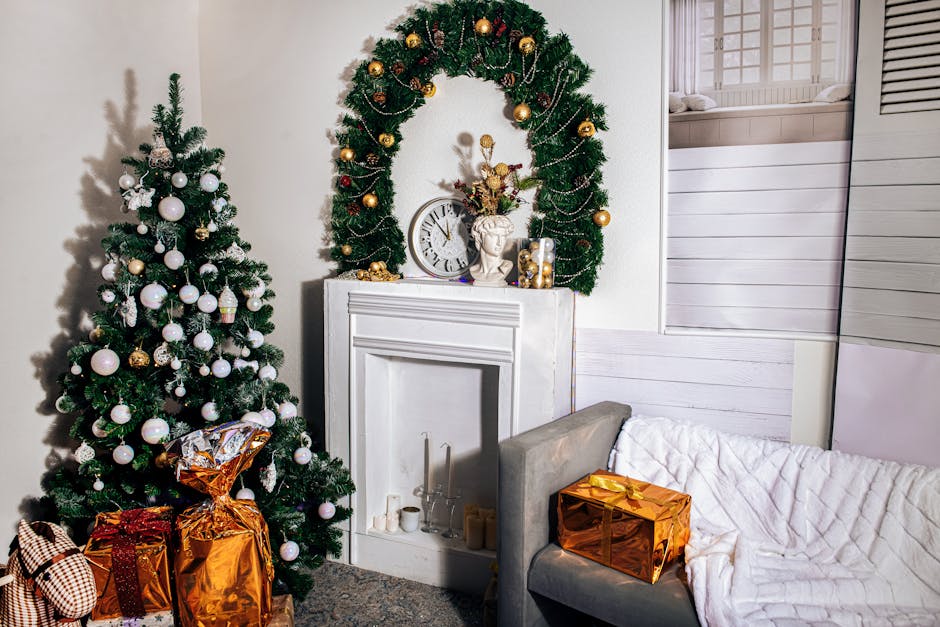
Start with a focal point, like a Christmas tree or a decorated mantel. Use a cohesive color scheme—classic red and green, elegant gold and white, or rustic burlap and pine.
String lights along stair railings, window frames, or bookshelves. LED lights are energy-efficient and safer for long-term use. Avoid overloading circuits; use timers to manage usage.
Hanukkah, Kwanzaa, and Other Celebrations
For Hanukkah, display a menorah prominently and use blue and white decor. Add dreidels or Star of David ornaments to shelves or windows.
Kwanzaa decor features the Kinara, traditional African fabrics, and the colors red, black, and green. Use woven mats, candles, and symbolic art to honor the holiday’s principles.
General Winter Coziness
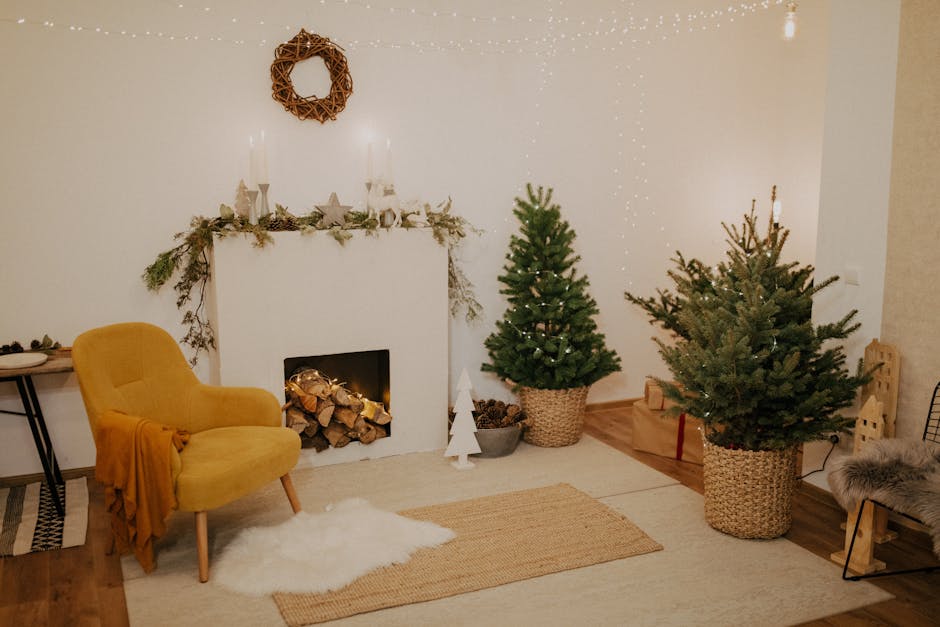
Even without holidays, winter calls for warmth. Use heavy curtains to insulate windows, add extra rugs to cold floors, and keep a basket of blankets near seating areas.
Display snowflakes, pine trees, or winter landscapes in frames. A bowl of pinecones or a vase with frosted branches adds subtle seasonal charm.
Year-Round Tips for Seasonal Decor Success
Successful seasonal decoration relies on planning, storage, and flexibility. With a few smart habits, you can rotate decor smoothly and avoid clutter.
Storage and Organization
Use clear, labeled bins to store seasonal items. Group by holiday or season—Christmas ornaments in one bin, spring florals in another. Store fragile items with padding and in climate-controlled areas.
Rotate decor twice a year if storage is limited. Keep only your favorite or most meaningful pieces and donate or repurpose the rest.
Budget-Friendly Swaps
You don’t need to buy new decor every season. Repurpose what you have—turn a summer vase into a fall centerpiece by adding pinecones, or use holiday lights for a romantic dinner setting in spring.
Shop end-of-season sales for next year’s items. Stores often discount holiday decor by 50–70% in January or July. Buy in bulk for better deals on basics like candles or ribbon.
Sustainability and Longevity
Choose decor made from natural, biodegradable materials like wood, cotton, or dried flowers. Avoid plastic-heavy items that break easily and harm the environment.
Invest in timeless pieces—like a quality wreath frame or neutral garland—that can be updated with seasonal accents. This reduces waste and saves money over time.
Common Mistakes to Avoid
Even the best decor plans can go off track. Watch for these common pitfalls to keep your seasonal updates effective and enjoyable.
Over-Decorating
Too many decorations can make a space feel cluttered and stressful. Stick to a few key areas—entryway, living room, dining table—and leave others neutral.
Use the “one in, one out” rule: when you add a new item, remove an old one. This keeps your decor fresh and prevents accumulation.
Ignoring Scale and Proportion
A large centerpiece on a small table overwhelms the space. Choose decor that fits the size of your furniture and rooms. Tall vases work on consoles; low arrangements suit coffee tables.
Hang artwork and mirrors at eye level. For most people, this is about 57–60 inches from the floor to the center of the piece.
Forgetting Functionality
Decor should enhance, not hinder, daily life. Avoid placing fragile items in high-traffic areas or blocking walkways with seasonal displays.
Keep pathways clear and ensure furniture remains usable. A beautifully decorated coffee table is useless if you can’t set down a drink.
Final Thoughts
Seasonal and festive decoration is more than just aesthetics—it’s about creating a home that feels alive, welcoming, and in tune with the world outside. By focusing on natural elements, thoughtful color choices, and meaningful traditions, you can transform your space throughout the year without stress or overspending.
Start small. Pick one room or holiday to focus on each season. Over time, you’ll build a collection of decor that reflects your style and values. Remember, the best seasonal updates are those that bring joy, comfort, and connection.
FAQ
How often should I change my seasonal decor?
Most people update decor with each major season—spring, summer, fall, and winter. You can also adjust for holidays like Christmas, Easter, or Thanksgiving. The key is consistency: aim for at least two updates per year to keep your home feeling fresh.
Can I decorate seasonally on a tight budget?
Yes. Focus on small, impactful changes like swapping throw pillows, adding a wreath, or using candles and natural elements. Repurpose items from previous seasons and shop post-holiday sales for next year’s decor at a discount.
What’s the best way to store seasonal decorations?
Use clear, labeled storage bins and organize by season or holiday. Store fragile items with padding in a dry, temperature-stable area like a closet or under-bed storage. Keep an inventory list to track what you have and avoid duplicates.