Home Decor Ideas for Work From Home Office Setup
Creating a functional and inspiring workspace at home starts with thoughtful home decor ideas for work from home office setup. Exploring work from home office decor reveals important insights. A well-designed office isn’t just about aesthetics—it impacts focus, productivity, and overall well-being. Whether you’re converting a spare corner or dedicating an entire room, the right decor choices can transform your space into a hub of efficiency and comfort.
This guide covers practical, stylish, and budget-friendly decor strategies to help you build a home office that supports your daily routine. From lighting and furniture to color psychology and personal touches, you’ll find actionable tips backed by design principles and real-world usability.
Why Your Home Office Decor Matters
Your environment shapes your mindset. A cluttered, dimly lit, or uninspiring workspace can drain motivation and increase stress. On the other hand, a thoughtfully decorated office promotes clarity, creativity, and sustained focus.
Studies show that employees with personalized, organized workspaces report higher job satisfaction and reduced fatigue. Even small changes—like adding a plant or adjusting lighting—can make a measurable difference in how you feel and perform throughout the day.
The Psychology of Color in Home Offices
Color influences mood and energy levels. For a home office, aim for a balanced palette that supports concentration without feeling sterile.
Soft blues and greens promote calm and focus, making them ideal for tasks requiring deep thinking. Warm neutrals like beige or light gray offer versatility and sophistication. Avoid overly bright or saturated colors in large doses—they can become distracting over time.
Example: A study nook painted in sage green with white trim feels grounded and serene, while a home office with navy accents and warm wood tones projects professionalism.
Lighting: The Overlooked Game Changer
Natural light is the gold standard. Position your desk near a window if possible. Daylight reduces eye strain and helps regulate your circadian rhythm.
When natural light isn’t enough, layer your lighting. Use a combination of ambient (overhead), task (desk lamp), and accent lighting (floor lamp or wall sconce). A desk lamp with adjustable brightness and a warm color temperature (2700K–3000K) mimics daylight and reduces glare on screens.
Warning: Avoid placing your monitor directly in front of or behind a window. Backlighting causes screen glare, while front lighting creates shadows on your keyboard.
Furniture That Supports Productivity and Comfort
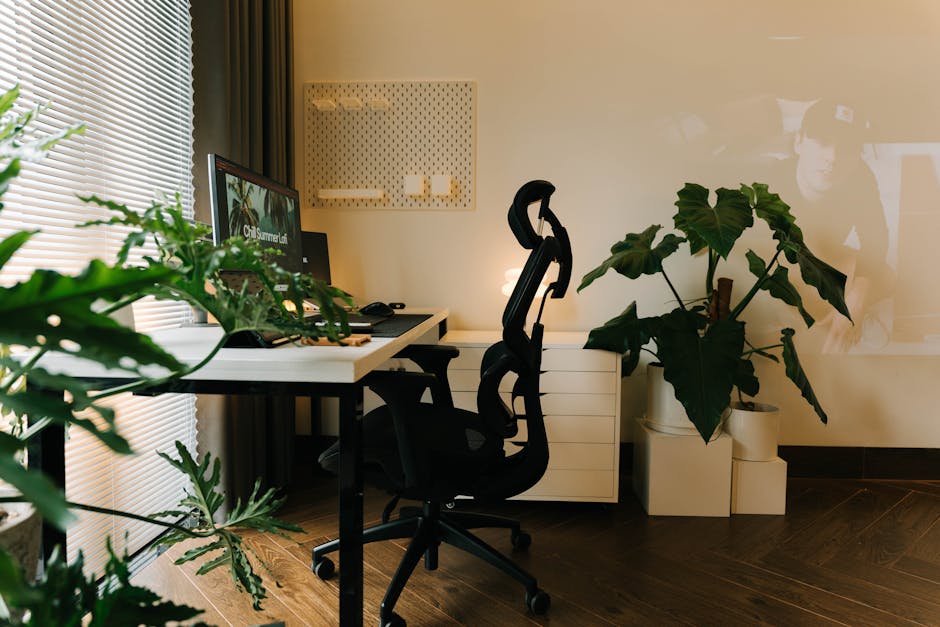
Your desk and chair are the foundation of your workspace. Invest in ergonomics—your body will thank you after long work sessions.
Choose a desk with enough surface area for your essentials: laptop, notebook, lamp, and a small plant. A standing desk or one with adjustable height adds flexibility, allowing you to alternate between sitting and standing.
Your chair should support your lower back, have adjustable height, and allow your feet to rest flat on the floor. If your budget is tight, consider a lumbar cushion or footrest as a temporary fix.
Space-Saving Solutions for Small Areas
Not everyone has a spare room. If you’re working from a living room corner, bedroom nook, or even a closet, smart furniture makes all the difference.
Wall-mounted desks fold away when not in use. Floating shelves keep supplies within reach without cluttering the floor. A slim console table behind a sofa can double as a compact workstation.
Example: A fold-down desk in a hallway, paired with a slim chair and a small potted succulent, creates a functional mini-office without sacrificing living space.
Storage That’s Stylish and Functional
Clutter kills focus. Keep your desk clean with organized storage solutions that blend with your decor.
Use decorative baskets for cables, notebooks, or snacks. Magnetic trays hold paper clips and thumbtacks. A vintage filing cabinet or modern acrylic drawer unit adds personality while keeping papers sorted.
Tip: Label everything. Clear bins with labels for “Invoices,” “Receipts,” or “Stationery” make retrieval quick and reduce frustration.
Personal Touches That Boost Morale
Your home office should reflect who you are. Personal decor makes the space feel inviting and uniquely yours.
Hang framed photos, artwork, or motivational quotes. A small gallery wall above your desk adds visual interest and inspires daily.
Include items that spark joy—a favorite mug, a smooth stone from a trip, or a scented candle. These small details create emotional connection and make work feel less like a chore.
Plants: Nature’s Productivity Boosters
Indoor plants improve air quality and reduce stress. They’re also low-maintenance decor elements that add life to any room.
Snake plants and pothos thrive in low light and require minimal watering. A small peace lily on your desk adds a touch of green and subtly humidifies the air.
Warning: Avoid overwatering. Most office plants prefer dry soil between waterings. Use pots with drainage holes to prevent root rot.
Art and Accessories with Purpose
Decor shouldn’t just look good—it should serve a function. Choose items that enhance your workflow or mood.
A small whiteboard or corkboard helps track tasks and deadlines. A stylish desk organizer keeps pens, sticky notes, and chargers in one place. A vintage clock adds character and keeps you aware of time.
Avoid overcrowding. Stick to 3–5 key accessories to maintain a clean, uncluttered look.
Tech Integration Without the Clutter
Modern work demands technology, but cables and gadgets can quickly dominate your space.
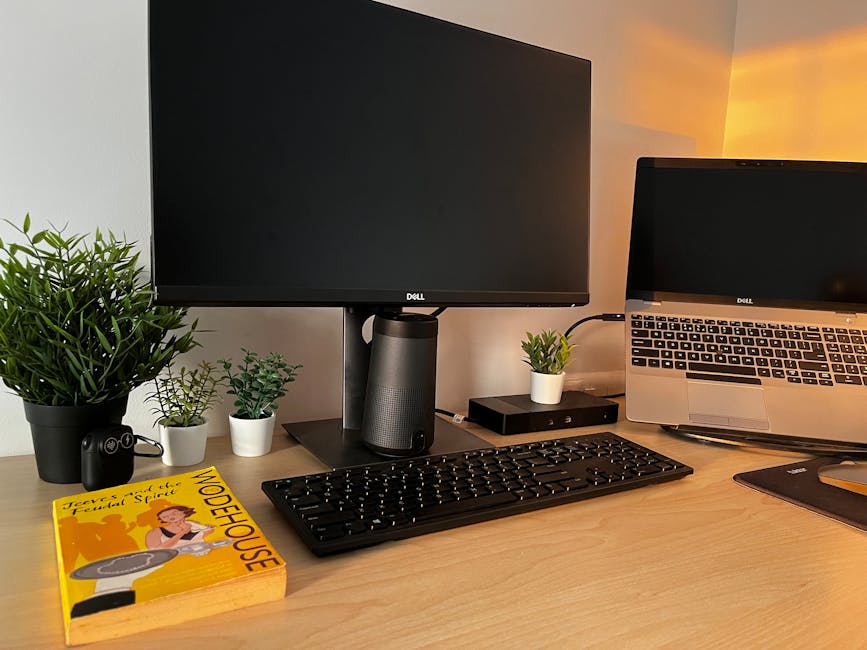
Use cable management clips, sleeves, or under-desk trays to hide wires. A wireless mouse and keyboard reduce tangling. Consider a docking station to connect all devices with a single cable.
Mount your monitor on an arm to free up desk space. Exploring work from home office decor reveals important insights. If you use multiple screens, align them at the same height to reduce neck strain.
Example: A minimalist setup with a wireless charger, Bluetooth headset, and hidden power strip keeps the desk surface clean and distraction-free.
Sound Control for Focus
Noise distractions are common in home environments. Decor can help manage sound without expensive renovations.
Add soft textures like a rug, curtains, or upholstered furniture to absorb echoes. A bookshelf filled with books acts as a natural sound barrier.
For open spaces, use a room divider with fabric panels or a tall plant to create acoustic separation. Noise-canceling headphones are also a practical addition for calls or deep work.
Creating Zones Within Your Space
Even in a small area, defining functional zones improves organization and mental clarity.
Use a rug to anchor your desk area, visually separating it from the rest of the room. A bookshelf or screen can divide a bedroom office from the sleeping space.
Designate areas for different activities: a desk for focused work, a cozy chair for reading emails, and a shelf for reference materials. This structure helps your brain switch modes more effectively.
Multi-Functional Furniture for Flexibility
In shared spaces, furniture that serves multiple purposes is essential.
A storage ottoman provides seating and hides supplies. A desk that converts into a dining table works well in studio apartments. A Murphy bed with a built-in desk maximizes floor space during the day.
Choose pieces with clean lines and neutral finishes to maintain a cohesive look, even when the room serves dual purposes.
Maintaining Your Home Office Over Time
A beautiful office loses its appeal if it becomes messy or outdated. Regular upkeep ensures your space remains functional and inspiring.
Schedule a monthly “reset”: wipe down surfaces, reorganize drawers, and assess what’s working. Donate or recycle items you no longer use.
Update decor seasonally. Swap out artwork, change cushion covers, or add a new plant to keep the space feeling fresh. Small changes prevent stagnation and reignite motivation.
Avoiding Common Decor Mistakes
Many home offices suffer from avoidable design flaws. Being aware of these pitfalls helps you create a better space from the start.
Avoid placing your desk with your back to the door—it creates subconscious stress. Don’t overcrowd walls with too many frames or shelves. And never sacrifice comfort for style; an uncomfortable chair leads to poor posture and fatigue.
Also, resist the urge to make your office a “catch-all” room. Keep personal items like laundry baskets or holiday decorations out of sight to maintain a professional atmosphere.
Budget-Friendly Decor Upgrades
You don’t need a large budget to create a stylish home office. Smart shopping and DIY solutions go a long way.
Shop secondhand for furniture. Thrift stores, Facebook Marketplace, and estate sales often have quality desks and chairs at a fraction of retail price.
Repurpose items you already own. A vintage tray becomes a desk organizer. A mason jar holds pens. A scarf draped over a lampshade softens the light.
DIY projects like painting an old bookshelf or creating a fabric-covered pinboard add personal flair without spending much.
Free and Low-Cost Ideas
Some of the best decor improvements cost nothing. Rearranging furniture can completely change the feel of a room.
Open curtains during the day to maximize natural light. Clean your windows—dirt reduces brightness by up to 15%. Use mirrors to reflect light and make small spaces appear larger.
Download free printable art or motivational posters. Print them on cardstock and frame them in dollar-store frames for an instant upgrade.
Final Thoughts: Design for You
There’s no one-size-fits-all approach to home office decor. What matters most is that your space supports your work style, personality, and daily needs.
Start with the essentials: a comfortable chair, good lighting, and a clean surface. Then, layer in personal touches that make you feel energized and focused.
Remember, your home office is more than a place to work—it’s a reflection of your habits, goals, and creativity. Invest in it thoughtfully, and it will reward you with better days and brighter results.
FAQ
What are the most important elements of a home office setup?
The most important elements are a comfortable ergonomic chair, a desk at the right height, proper lighting (preferably natural), and organized storage. These form the foundation of a productive workspace.
How can I make a small space feel like a dedicated office?
Use a rug to define the area, add a wall-mounted desk or floating shelves, and incorporate vertical storage. Mirrors and light colors can make the space feel larger and more open.
Should I personalize my home office, or keep it minimal?
Personalization boosts morale, but balance is key. Include a few meaningful items—like photos or plants—while keeping the overall look clean and uncluttered to maintain focus.