Home Decor Ideas for Wall Art and Creative Displays
Looking to refresh your walls without a full renovation? The right wall art and creative displays can transform any room, adding personality, color, and depth. Whether you’re decorating a living room, bedroom, or hallway, thoughtful wall arrangements make a strong visual impact. This guide covers practical, stylish home decor ideas for wall art and creative displays that suit various tastes and budgets. From gallery walls to floating shelves, you’ll find inspiration and step-by-step tips to elevate your space.
Why Wall Art Matters in Home Decor
Walls are often the largest blank canvas in a room. Without decoration, they can make a space feel sterile or unfinished. Thoughtfully chosen wall art adds warmth, reflects your personality, and ties together color schemes and furniture styles.
Art doesn’t have to be expensive or traditional. A well-placed print, a collection of vintage postcards, or even a bold textile can serve as striking wall decor. The key is intention—choosing pieces that resonate with you and complement your room’s function and mood.
Planning Your Wall Display
Assess the Space and Lighting
Start by evaluating the wall’s size, shape, and natural light. A large, sunlit wall can handle a bold piece or a multi-frame arrangement. Dimly lit areas benefit from lighter-colored art or reflective surfaces like mirrors.
Consider the room’s purpose. A bedroom might call for calming landscapes or abstract art, while a living room can support more dynamic or conversation-starting pieces. Measure the wall and note any obstacles like light switches or vents.
Choose a Focal Point
Every wall display should have a center of attention. This could be a large painting, a statement mirror, or a cluster of smaller frames. The focal point anchors the arrangement and guides the eye.
For example, above a sofa, a wide horizontal piece or a symmetrical trio of prints works well. In a narrow hallway, a vertical gallery draws the eye upward and creates the illusion of height.
Balance Scale and Proportion
Size matters. A tiny print on a large wall gets lost, while oversized art can overwhelm a small room. As a rule, art should take up about two-thirds of the furniture it hangs above.
If you’re using multiple pieces, vary sizes slightly for visual interest. A mix of large, medium, and small frames feels more dynamic than uniform sizing. Avoid overcrowding—leave breathing room between items.
Types of Wall Art and Creative Displays
Gallery Walls
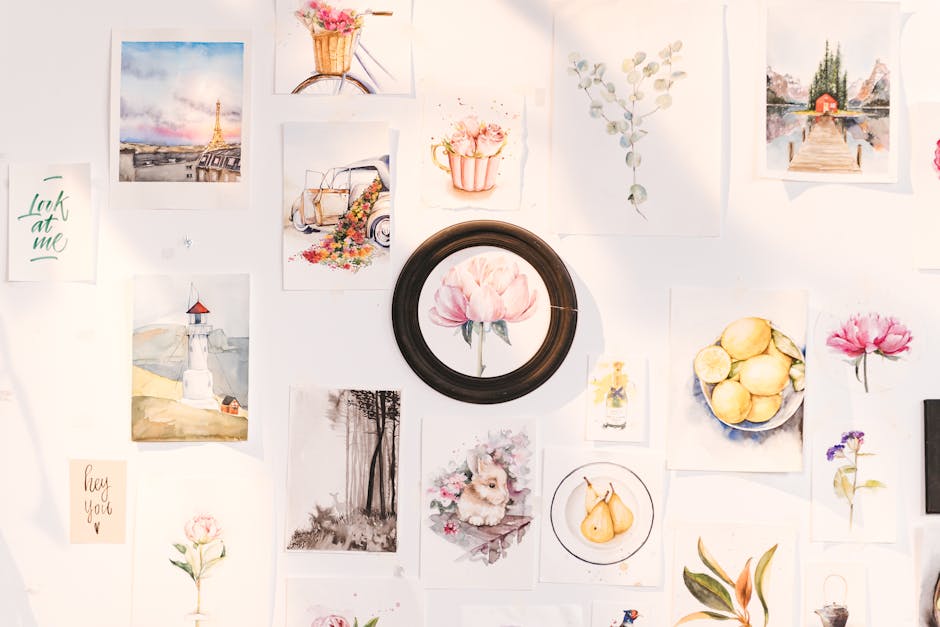
A gallery wall is a curated collection of art, photos, and objects arranged in a cohesive layout. It’s one of the most popular home decor ideas for wall art because it’s customizable and personal.
Start by gathering 5–15 pieces. Mix photographs, prints, drawings, and even small objects like vintage keys or fabric swatches. Use a unifying element—like a consistent frame color or theme—to tie the group together.
Floating Shelves with Layered Displays
Floating shelves offer three-dimensional creativity. They’re ideal for displaying small sculptures, books, plants, and framed art together. This layered approach adds depth and texture to flat walls.
Install shelves at varying heights and stagger items for a relaxed, lived-in look. Lean frames against the wall instead of hanging them for a modern touch. Add LED strip lighting underneath for evening ambiance.
Mirrors as Decorative Elements
Mirrors reflect light and make rooms feel larger and brighter. They’re especially useful in small spaces or dark corners. Choose shapes that complement your decor—round for softness, rectangular for structure.
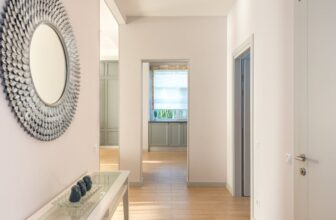
A large mirror above a console table creates a focal point in an entryway. For a creative twist, arrange several small mirrors in a geometric pattern or use an antique mirror with ornate framing.
Textiles and Tapestries
Fabric wall hangings add softness and color. Macramé, woven wall art, or even a vintage quilt can serve as a striking centerpiece. They’re lightweight and easy to change seasonally.
Hang tapestries using dowels, curtain rods, or adhesive hooks. Ensure the fabric is clean and wrinkle-free. In bohemian or eclectic styles, layered textiles create rich visual texture.
DIY and Handmade Art
Personal creations add authenticity. Paint your own abstract canvas, frame pressed flowers, or display children’s artwork. DIY projects are cost-effective and meaningful.
Use high-quality materials for longevity. Seal paintings with varnish and use UV-protective glass for photos. Even simple pencil sketches in elegant frames can look gallery-worthy.
Creative Layout Techniques
Symmetrical Arrangements
Symmetry brings order and calm. Hang two identical frames side by side or create a balanced grid. This style works well in formal spaces like dining rooms or home offices.
Use a level and measuring tape to ensure perfect alignment. Mark hook positions lightly with pencil before drilling. Symmetry feels intentional and polished.
Asymmetrical and Organic Layouts
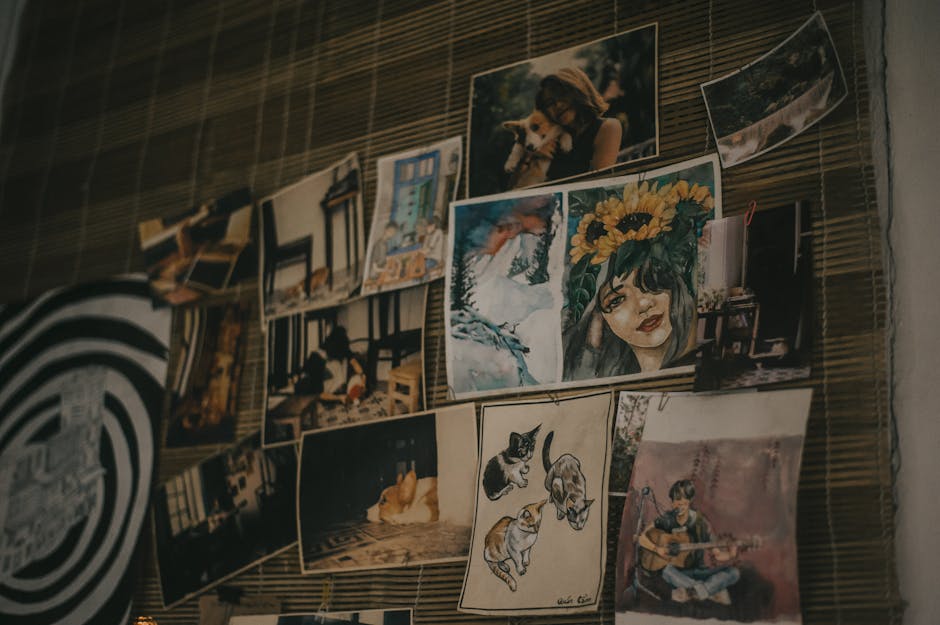
For a more relaxed vibe, try an asymmetrical layout. Arrange pieces in a loose cluster with varied spacing and orientations. This approach feels modern and dynamic.
Start by laying frames on the floor to test the composition. Aim for visual balance—not symmetry—by distributing weight and color evenly. Odd numbers (3, 5, 7) often work better than even counts.
Grid and Linear Patterns
A grid layout features evenly spaced frames in rows and columns. It’s clean, structured, and ideal for small prints or photos. Use identical frames for a minimalist look.
Linear arrangements—like a single row of art at eye level—work well in hallways or above beds. Keep spacing consistent (2–3 inches between frames) for a professional finish.
Choosing the Right Art for Your Style
Modern and Minimalist
Clean lines, neutral tones, and abstract forms define modern decor. Opt for black-and-white photography, geometric prints, or monochromatic art. Use slim black or white frames.
Less is more. A single large piece often has more impact than a busy collection. Stick to a limited color palette to maintain cohesion.
Bohemian and Eclectic
Bohemian style embraces color, texture, and global influences. Mix patterns, materials, and eras. Use woven baskets, dreamcatchers, and vibrant textiles alongside art.
Layer rugs on walls, hang beaded curtains, or display handmade pottery. The goal is a rich, layered look that feels collected over time.
Traditional and Classic
Traditional interiors favor symmetry, rich colors, and timeless art. Oil paintings, landscapes, and family portraits in ornate frames work well. Use dark wood or gold finishes.
Arrange art in formal groupings. Above a fireplace, a single large painting or a triptych creates a dignified focal point.
Scandinavian and Farmhouse
Scandinavian decor emphasizes simplicity, light woods, and nature-inspired art. Choose botanical prints, line drawings, or muted landscapes. Use white or light wood frames.
Farmhouse style blends rustic charm with comfort. Hang vintage signs, blacksmith tools, or reclaimed wood signs. Distressed finishes and neutral tones keep the look cozy.
Practical Tips for Hanging and Maintaining Wall Art
Use the Right Hardware
Match hanging hardware to the weight of your art. Light frames can use adhesive strips or small nails. Heavy pieces require wall anchors, screws, or French cleats.
For plaster walls, use toggle bolts. In drywall, locate studs when possible. Always test the hold before hanging valuable items.
Hang at the Correct Height
The center of your art should sit at about 57–60 inches from the floor—eye level for most people. This standard applies whether it’s a single piece or part of a group.
Adjust slightly for tall ceilings or high furniture. In seating areas, hang art slightly lower so it’s visible when sitting.
Protect Your Art
Direct sunlight fades colors over time. Use UV-protective glass or acrylic for photos and prints. Rotate art seasonally to minimize exposure.
Dust frames regularly with a soft cloth. For canvas art, avoid moisture and extreme temperatures. Check hanging hardware annually for looseness.
Budget-Friendly Wall Decor Ideas
You don’t need a big budget to create beautiful wall displays. Thrift stores, flea markets, and online marketplaces offer affordable art and frames. Look for unique pieces with character.
DIY projects stretch your dollar. Paint old frames, print high-resolution images at home, or create collages from magazine cutouts. Even simple washi tape can form temporary art on walls.
Repurpose household items. Hang a vintage window as a frame, use a ladder as a shelf, or display plates on the wall. Creativity often costs less than buying new.
Common Mistakes to Avoid
Overcrowding is a frequent error. Too many pieces on one wall create visual chaos. Stick to a theme or limit the number of items per wall.
Ignoring scale leads to imbalance. A small print on a large wall disappears. Always consider the wall-to-art ratio.
Poor lighting can ruin even the best art. Use picture lights, track lighting, or nearby lamps to highlight your display. Avoid glare by angling lights correctly.
Seasonal and Themed Updates
Refresh your walls with the seasons. Swap in holiday-themed art, floral prints in spring, or warm-toned abstracts in fall. This keeps your decor feeling current.
Themed displays tell a story. Create a travel wall with maps and postcards, a music corner with vinyl records, or a nature gallery with pressed leaves and landscape photos.
Use removable adhesive hooks or command strips for easy swaps. This allows flexibility without damaging walls.
Final Thoughts
Wall art and creative displays are powerful tools in home decor. They define spaces, express individuality, and enhance comfort. With thoughtful planning and a few key techniques, anyone can create a visually appealing wall arrangement.
Start small. Choose one wall to transform. Gather your pieces, test layouts, and hang with confidence. Over time, your collection will grow and evolve—just like your home.
FAQ
What size art should I hang above a sofa?
Aim for a piece that’s about two-thirds the width of the sofa. For a 72-inch sofa, choose art between 48 and 60 inches wide. A horizontal canvas or a trio of aligned prints works well.
How do I arrange a gallery wall without it looking messy?
Lay out your frames on the floor first. Use a consistent spacing (2–3 inches) and choose a unifying element like frame color or theme. Odd-numbered groupings often look more natural.
Can I hang art in a rental without damaging walls?
Yes. Use removable adhesive hooks, command strips, or tension rods. For heavier items, try leaning art on floating shelves instead of hanging. Always test adhesives on a small area first.