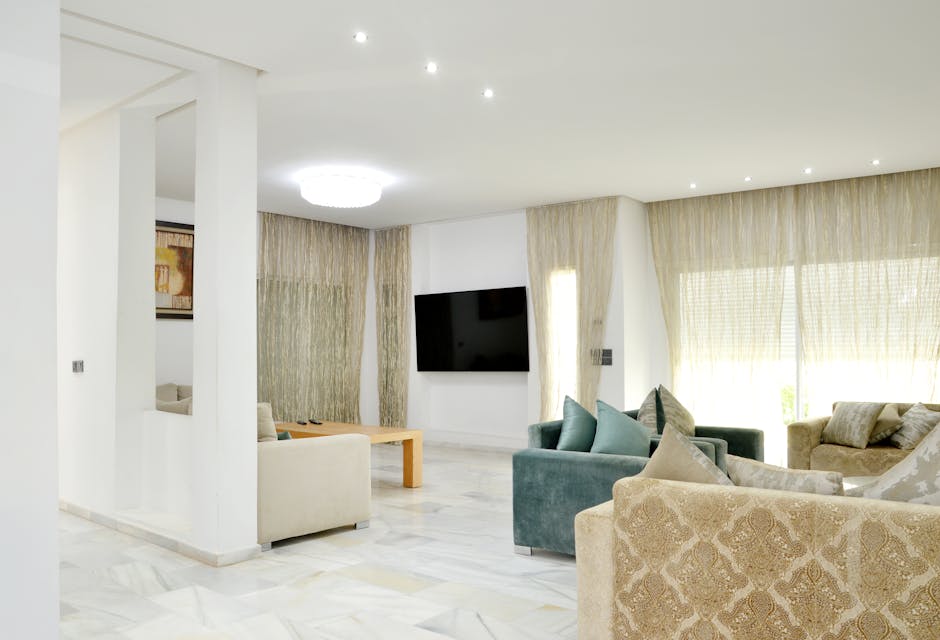
Living Room Home Decor Ideas for Modern Interiors
Creating a stylish and functional living room in a modern interior starts with smart design choices that balance aesthetics, comfort, and practicality. Whether you’re refreshing your space or starting from scratch, living room home decor ideas for modern interiors should prioritize clean lines, neutral palettes, and intentional furniture placement. This guide covers essential design principles, layout strategies, color schemes, lighting solutions, and furniture selections that define contemporary living spaces—without sacrificing warmth or usability.
Understanding Modern Interior Design Principles
Modern interior design isn’t just about minimalism—it’s about intentionality. The style emerged in the early 20th century and continues to evolve, emphasizing simplicity, open spaces, and a seamless connection between indoor and outdoor environments. Key characteristics include:
- Clean, uncluttered lines in furniture and architecture
- A neutral color base with strategic pops of color
- Use of natural materials like wood, stone, and leather
- Functional furniture with sleek profiles
- Abundant natural light and layered artificial lighting
Unlike minimalist design, which can feel cold or sterile, modern interiors aim to feel inviting while maintaining visual calm. The goal is a space that supports daily life without visual noise.
Choosing the Right Color Palette
Color sets the mood of your living room. For modern interiors, start with a neutral foundation—think warm whites, soft grays, beige, or taupe. These tones reflect light and make spaces feel larger and more open.
Once you’ve established your base, introduce contrast and personality through accent colors. Deep navy, forest green, or charcoal gray work well as secondary tones. For a bolder statement, consider a single vibrant hue like burnt orange or teal used sparingly in throw pillows, artwork, or a single accent chair.
Avoid overly bright or saturated colors across large surfaces, as they can disrupt the calm, cohesive feel central to modern design. Instead, use color to highlight architectural features or define zones in open-plan spaces.
Color Palette Examples for Modern Living Rooms
| Base Color | Accent 1 | Accent 2 | Best For |
|---|---|---|---|
| Warm White | Navy Blue | Brass or Gold | Classic elegance |
| Light Gray | Forest Green | Walnut Wood | Nature-inspired calm |
| Beige | Terracotta | Black Metal | Warm contrast |
Furniture Selection and Layout
Furniture in modern living rooms should be both stylish and functional. Opt for pieces with clean silhouettes—avoid ornate carvings or bulky profiles. A low-profile sofa in a neutral fabric like linen or performance velvet anchors the space, while a streamlined coffee table in wood or matte metal adds structure without visual weight.
When arranging furniture, prioritize conversation and flow. In smaller spaces, float seating away from walls to create intimacy. In larger rooms, define the seating area with an area rug and ensure there’s at least 18 inches of walking space between furniture pieces.
Consider the “rule of three” when grouping furniture: a sofa, two armchairs, or a loveseat with two side chairs create balanced, inviting arrangements. Avoid overcrowding—modern design thrives on negative space.
Modern Furniture Checklist
- Low-back sofa with tapered legs
- Geometric or rectangular coffee table
- Armchairs with slim frames and minimal upholstery
- Media console with hidden storage
- Side tables with metal or wood finishes
Lighting Strategies for Ambiance and Function
Lighting is a cornerstone of modern living room decor. Relying solely on overhead lighting creates flat, uninviting spaces. Instead, layer your lighting with three types:
- Ambient lighting: Recessed ceiling lights or a flush-mount fixture provide general illumination.
- Task lighting: Floor lamps or table lamps near seating areas support reading or hobbies.
- Accent lighting: Wall sconces or LED strips highlight artwork, architectural features, or shelves.
Choose fixtures with simple, geometric shapes—think cylindrical pendants, angular floor lamps, or slim track lighting. Matte black, brushed nickel, and warm brass are popular finishes that complement modern palettes.
smart lighting systems allow you to adjust brightness and color temperature throughout the day, enhancing both mood and energy efficiency.
Incorporating Textures and Materials
Even in a minimalist space, texture adds depth and prevents monotony. Combine different materials to create visual interest without clutter:
- Fabrics: Layer a wool throw over a linen sofa, or add velvet cushions for softness.
- Wood: Use walnut, oak, or ash in flooring, coffee tables, or shelving for warmth.
- Metal: Introduce brushed steel or black iron in lighting, frames, or hardware.
- Stone: A marble coffee table or slate fireplace surround adds natural elegance.
Balance is key—too many textures can make a space feel busy. Stick to two or three dominant materials and use others sparingly.
Maximizing Space in Small Living Rooms
Small spaces benefit greatly from modern design principles. The emphasis on openness and functionality helps make compact rooms feel larger and more organized.
Start by choosing multi-functional furniture: a storage ottoman, a sofa bed, or nesting tables that tuck away when not in use. Wall-mounted shelves free up floor space and keep essentials within reach.
Use light colors on walls and floors to reflect light, and avoid heavy drapes—opt for sheer curtains or motorized blinds that maximize daylight. A large mirror opposite a window can double the sense of space.
Keep decor minimal. One large piece of art or a small gallery wall is more effective than scattered small frames. Stick to a cohesive color scheme to maintain visual continuity.
Adding Personality Without Clutter
Modern doesn’t mean impersonal. Personal touches make a house feel like a home. The trick is to be selective.
Display a few meaningful items—a vintage camera, a collection of ceramic vases, or a single bold painting. Use open shelving to showcase books and objects with intention, grouping them by color or size for a curated look.
Plants are a natural fit for modern interiors. A tall fiddle-leaf fig in a woven basket or a cluster of succulents on a floating shelf adds life and softness. Choose low-maintenance varieties if you’re not a regular gardener.
Avoid overcrowding surfaces. Leave at least 30% of tabletops and shelves empty to maintain the clean, open feel that defines modern design.
Common Mistakes to Avoid
Even with the best intentions, it’s easy to stray from modern design principles. Watch out for these common pitfalls:
- Over-accessorizing: Too many pillows, rugs, or decorative objects disrupt the clean aesthetic.
- Ignoring scale: A large sectional in a tiny room overwhelms the space. Measure before you buy.
- Poor lighting balance: Relying only on one light source creates shadows and reduces functionality.
- Mismatched styles: Mixing modern furniture with ornate traditional pieces can look disjointed unless carefully curated.
- Neglecting storage: Clutter undermines modern design. Invest in concealed storage solutions.
When in doubt, step back and assess the room from the doorway. Does it feel calm and cohesive? If not, remove one item and reassess.
Final Touches That Make a Difference
The finishing touches elevate a modern living room from good to great. Consider these subtle but impactful additions:
- A large area rug in a geometric pattern or solid tone to define the seating area
- Blackout or light-filtering window treatments for privacy and light control
- A statement clock or sculptural object on a console table
- Books arranged with spines facing out, mixed with small objects for visual rhythm
- A cohesive scent—like sandalwood or eucalyptus—through a diffuser or candle
These details should enhance, not distract. The best modern living rooms feel effortless, not over-designed.
Conclusion
Transforming your living room with living room home decor ideas for modern interiors is about more than trends—it’s about creating a space that reflects your lifestyle while embracing timeless design principles. Focus on quality over quantity, prioritize function and flow, and let natural light and thoughtful details shine. With the right balance of color, texture, furniture, and lighting, your modern living room can be both visually striking and deeply comfortable.
FAQ
What’s the difference between modern and contemporary living room decor?
Modern design refers specifically to the mid-20th century style characterized by clean lines, neutral colors, and functional furniture. Contemporary design is ever-evolving and reflects current trends, often blending elements from various styles. While similar, contemporary is more flexible and less tied to a specific era.
Can I mix modern furniture with other styles?
Yes, but with intention. Pairing a modern sofa with a rustic wood coffee table or vintage rug can work if colors and proportions are balanced. The key is cohesion—stick to a unified color palette and avoid clashing textures or scales.
How do I make a small living room feel bigger with modern decor?
Use light colors, minimize heavy furniture, maximize natural light, and incorporate mirrors. Choose low-profile furniture and wall-mounted storage to keep the floor visible, which creates a sense of openness.