Home Decor Ideas for Entryway and Hallway Design
Your entryway and hallway set the tone for your entire home. These transitional spaces deserve thoughtful design to create a welcoming first impression while maximizing functionality. With the right home decor ideas for entryway and hallway design, you can turn narrow or underused areas into stylish, practical zones that reflect your personality and improve daily flow. Whether you’re working with a compact apartment foyer or a grand corridor, smart choices in lighting, storage, color, and layout make all the difference.
Why Entryway and Hallway Design Matters
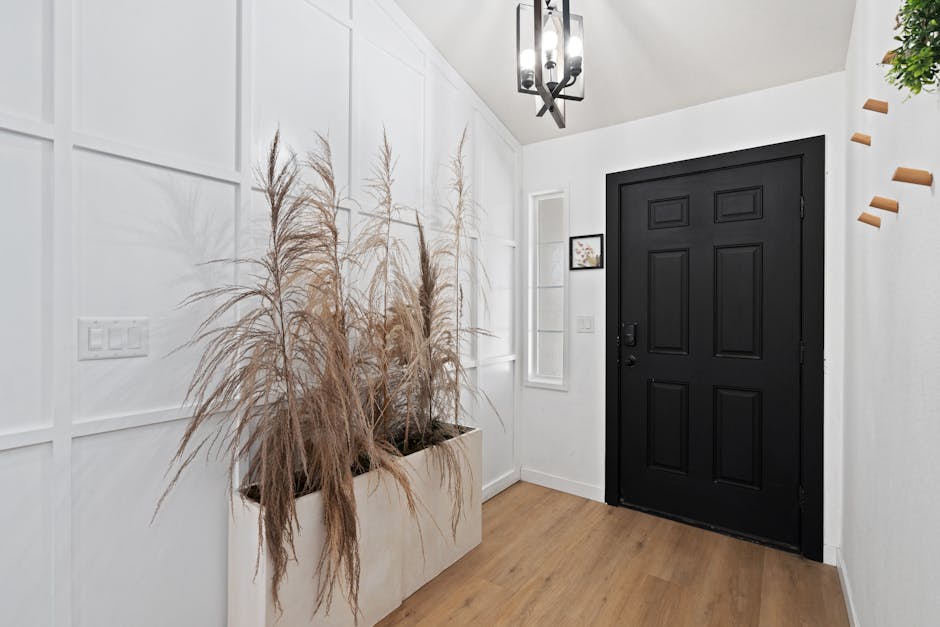
Entryways and hallways are more than just passageways—they’re the gateway to your home. A well-designed space helps organize daily essentials, reduces clutter, and creates visual continuity between rooms. Poorly planned areas often feel cramped, dark, or chaotic, which can negatively impact how guests perceive your home.
Investing time in thoughtful design pays off in both aesthetics and usability. Even small changes, like adding a mirror or upgrading lighting, can dramatically improve the feel of these spaces. Prioritizing function without sacrificing style ensures your entryway and hallway serve both practical and decorative purposes.
Assessing Your Space: Start with a Plan
Before selecting decor, evaluate your entryway or hallway’s dimensions, natural light, and traffic flow. Measure wall space, ceiling height, and floor area to determine what furniture or fixtures will fit comfortably. Note any architectural features, such as doors, windows, or built-in nooks, that can influence your layout.
Consider how the space is used daily. Do you need room for shoes, coats, or bags? Is it a high-traffic area for kids or pets? Answering these questions helps you prioritize storage solutions and durable materials. Sketch a simple floor plan or use a design app to visualize arrangements before making purchases.
Common Challenges and How to Solve Them
Narrow hallways often feel claustrophobic, while large entryways may lack coziness. In tight spaces, avoid bulky furniture and opt for wall-mounted or slim-profile pieces. Use vertical space with tall shelves or hanging racks to keep the floor clear.
Dark corridors benefit from layered lighting and reflective surfaces. In wide entryways, define the space with a rug or console table to create a sense of enclosure. Always leave at least 30 inches of clear walking space to ensure safe, comfortable movement.
Choosing the Right Color Palette
Color sets the mood in entryways and hallways. Light neutrals like soft gray, warm white, or beige make small spaces feel larger and brighter. These tones also provide a versatile backdrop for artwork and seasonal decor changes.
Darker shades, such as navy or charcoal, add drama and sophistication but should be used sparingly in low-light areas. Pair them with metallic accents or glossy finishes to reflect light. Avoid overly bold patterns on large surfaces, as they can overwhelm narrow spaces.
Paint Finishes That Work Best
Choose durable, washable paint finishes like satin or eggshell for high-traffic zones. These resist scuffs and are easy to clean—essential for areas exposed to dirt, moisture, or frequent touching. Matte finishes hide imperfections but may stain more easily.
For ceilings, use a flat finish in a lighter shade than the walls to create height. In hallways with limited natural light, consider painting the ceiling the same color as the walls for a seamless, airy effect.
Furniture and Storage Solutions
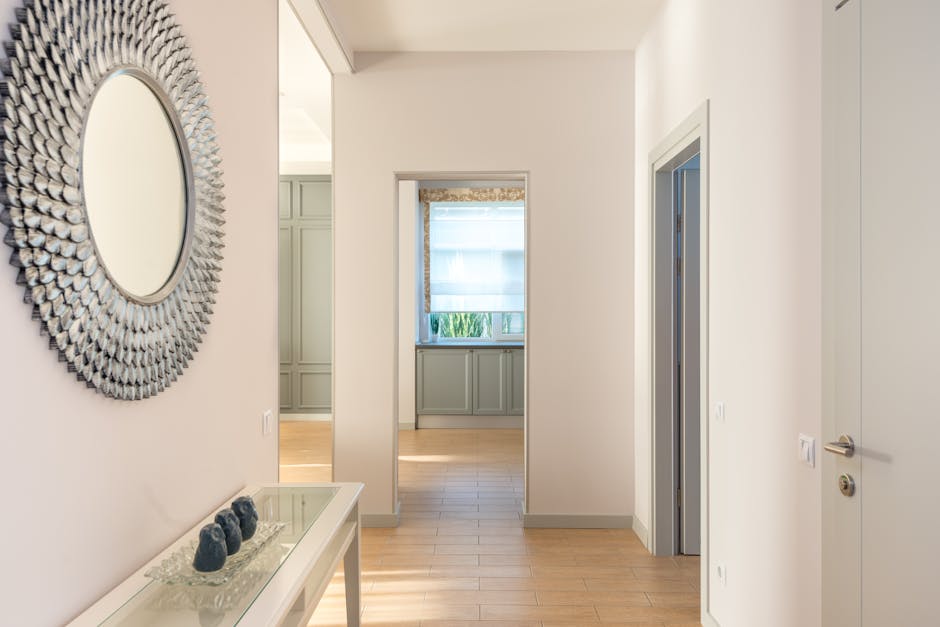
Functional furniture is key to an organized entryway. A console table offers surface space for keys, mail, and decor while providing room underneath for baskets or shoe storage. Choose one with drawers or shelves to keep small items out of sight.
Benches are ideal for seating and storage. Look for models with hidden compartments or lift-up seats. In tight spaces, fold-down wall-mounted benches save floor area when not in use.
Smart Storage Ideas
Use vertical space with tall cabinets, open shelving, or over-the-door organizers. Install hooks or a coat rack at varying heights to accommodate adults and children. Label bins or baskets for shoes, umbrellas, or pet leashes to maintain order.
Avoid overcrowding. Stick to essentials and rotate seasonal items. For example, store winter coats in a closet during warmer months and swap in lighter jackets. This keeps the space functional year-round without clutter.
Lighting Strategies for Ambiance and Function
Good lighting transforms entryways and hallways from dim corridors into inviting spaces. Combine ambient, task, and accent lighting for balance. A central ceiling fixture provides general illumination, while sconces or wall lights add warmth and reduce shadows.
In long hallways, place fixtures at intervals to eliminate dark spots. Pendants or chandeliers can serve as focal points in larger foyers. Always consider ceiling height—low-hanging lights may obstruct views in small spaces.
Natural Light Enhancements
Maximize existing windows with sheer curtains or blinds that allow light in while maintaining privacy. If natural light is limited, use mirrors to reflect available light and create the illusion of brightness. Position them opposite windows or light sources for best effect.
LED strip lights under shelves or along baseboards add subtle glow and improve safety at night. Choose warm white tones (2700K–3000K) to maintain a cozy atmosphere.
Mirrors and Artwork: Creating Depth and Personality
Mirrors are one of the most effective tools in small-space design. A large mirror on a blank wall makes a hallway appear twice as wide and reflects light beautifully. Lean a floor-length mirror against a wall for a casual, modern look, or hang one above a console for a polished finish.
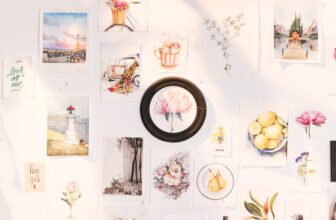
Artwork personalizes your entryway. Choose pieces that complement your home’s overall style—abstract prints for contemporary spaces, landscapes for traditional homes. Frame collections in a grid or salon-style arrangement for visual impact.
Placement Tips for Maximum Effect
Hang mirrors and art at eye level, typically 57–60 inches from the floor to the center of the piece. In hallways, align artwork with doorways or lighting fixtures to create rhythm. Avoid placing mirrors directly facing the front door in some cultural traditions, but this is optional based on personal preference.
Use picture lights or small spotlights to highlight artwork, especially in dim areas. Ensure frames coordinate with other hardware, like doorknobs or light fixtures, for a cohesive look.
Rugs and Flooring: Comfort and Style
A well-chosen rug defines the entryway and protects flooring from dirt and wear. In high-traffic areas, select durable materials like sisal, jute, or indoor-outdoor synthetics. These withstand moisture and heavy use while adding texture.
For visual interest, choose a rug with a subtle pattern or border that complements your color scheme. In narrow hallways, a long runner guides the eye and adds warmth underfoot. Ensure the rug is secured with a non-slip pad to prevent tripping.
Flooring Materials That Last
Hard surfaces like tile, hardwood, or luxury vinyl are practical for entryways due to easy cleaning. Porcelain tiles mimic stone or wood at a lower cost and resist scratches. In hallways, engineered hardwood offers stability in fluctuating humidity.
Avoid plush carpets in entry zones—they trap dirt and wear quickly. If you prefer soft flooring, use a low-pile option and place a washable mat at the door for wiping shoes.
Adding Greenery and Decorative Accents
Plants bring life to entryways and improve air quality. Choose low-maintenance varieties like snake plants, pothos, or ZZ plants that thrive in indirect light. Use stylish pots that match your decor—ceramic, metal, or woven baskets all work well.
Decorative objects like trays, vases, or small sculptures add personality. Group items in odd numbers (three or five) for balanced composition. Rotate seasonal accents, such as pinecones in winter or seashells in summer, to keep the space fresh.
Warning: Avoid Over-Decorating
While accessories enhance style, too many can clutter the space. Stick to a few meaningful pieces rather than filling every surface. Leave breathing room around furniture and decor to maintain a clean, open feel.
Test arrangements before committing. Move items around to see what looks best and adjust as needed. Remember, less is often more in transitional spaces.
Small Space Solutions for Apartments and Condos
Apartment dwellers often face limited square footage, but creative design can maximize every inch. Use multi-functional furniture, like a storage ottoman or nesting tables, to reduce bulk. Wall-mounted shelves hold books, plants, or decor without taking up floor space.
Opt for transparent or light-colored materials to enhance openness. Acrylic chairs or glass-top tables reflect light and feel less heavy. In studio apartments, use the entryway to separate living areas subtly with a console or screen.
Entryway Ideas for Studios
In open-concept layouts, define the entry with a rug and a small table. Hang a floating shelf for mail and keys. Use a room divider or tall plant to create a visual boundary without blocking light. Keep decor minimal to avoid a cramped feeling.
Consider a slim coat rack or over-the-door hooks for outerwear. Store shoes in a narrow cabinet or under a bench. Every item should serve a purpose to maintain functionality in tight quarters.
Long Hallway Design Tips
Long hallways can feel like tunnels without proper design. Break up the length with artwork, mirrors, or lighting at intervals. Use a series of sconces or pendants to create rhythm and guide movement.
Add a console table with a lamp or vase at one end to anchor the space. In dining or bedroom corridors, consider a small bench or ottoman for seating. Runners and patterned wallpaper can also add visual interest and prevent monotony.
Creating Zones in Extended Halls
Divide long hallways into functional zones. One section might serve as a reading nook with a chair and floor lamp, while another holds storage for linens or shoes. Use area rugs to define each zone and add warmth.
Paint or wallpaper one wall a contrasting color to create a focal point. This technique draws the eye and makes the space feel more dynamic. Ensure decor aligns with adjacent rooms for a cohesive flow.
Sustainable and Budget-Friendly Options
Eco-conscious design doesn’t have to be expensive. Repurpose furniture from other rooms, like an old dresser as a console or a vintage mirror for the wall. Shop secondhand stores or online marketplaces for unique, affordable pieces.
Choose natural materials like bamboo, reclaimed wood, or organic cotton for rugs and textiles. These are durable and biodegradable. Paint with low-VOC formulas to improve indoor air quality.
DIY Projects That Make an Impact
Build a simple floating shelf using wood and brackets. Paint it to match your walls or add a pop of color. Create a custom coat rack with dowels and wall anchors. These projects cost little and add personal flair.
Frame fabric or wallpaper samples as artwork. Use washi tape to hang lightweight items without damaging walls. Small DIY touches can elevate the entire space without a big budget.
Seasonal and Thematic Updates
Refresh your entryway and hallway with the seasons. Swap out throw pillows, rugs, or artwork to reflect holidays or weather changes. In fall, add warm tones and textured fabrics. In spring, introduce florals and light colors.
Themed decor, like coastal, rustic, or modern minimalist, helps maintain consistency. Rotate items seasonally to keep the space feeling current without major renovations. Store off-season decor in labeled bins for easy access.
Final Tips for a Cohesive Look
Maintain visual harmony by repeating colors, materials, or shapes from adjacent rooms. If your living room has brass accents, echo them in the hallway with a brass lamp or mirror frame. This creates a seamless transition.
Keep scale in mind—large furniture overwhelms small spaces, while tiny decor gets lost in large ones. Balance is key. Step back often to assess the overall effect and make adjustments as needed.
FAQ
Q: What’s the best way to light a dark hallway?
A: Use layered lighting—combine a central ceiling fixture with wall sconces or LED strips. Add mirrors to reflect light and brighten the space naturally.
Q: How can I make a narrow entryway look bigger?
A: Choose light colors, install a large mirror, and use slim furniture. Avoid clutter and opt for vertical storage to draw the eye upward.
Q: What furniture is essential for a functional entryway?
A: A console table, bench, and coat rack or hooks are basics. Add storage like baskets or shelves to keep the area organized and clutter-free.