Home Decor Ideas for Stylish and Functional Interiors
Creating a home that’s both stylish and functional starts with intentional design choices. Whether you’re refreshing a single room or reimagining your entire space, smart home decor ideas can elevate aesthetics while improving everyday usability. This guide covers practical, visually appealing strategies to help you build interiors that look great and work well for your lifestyle.
Start with a Cohesive Design Theme
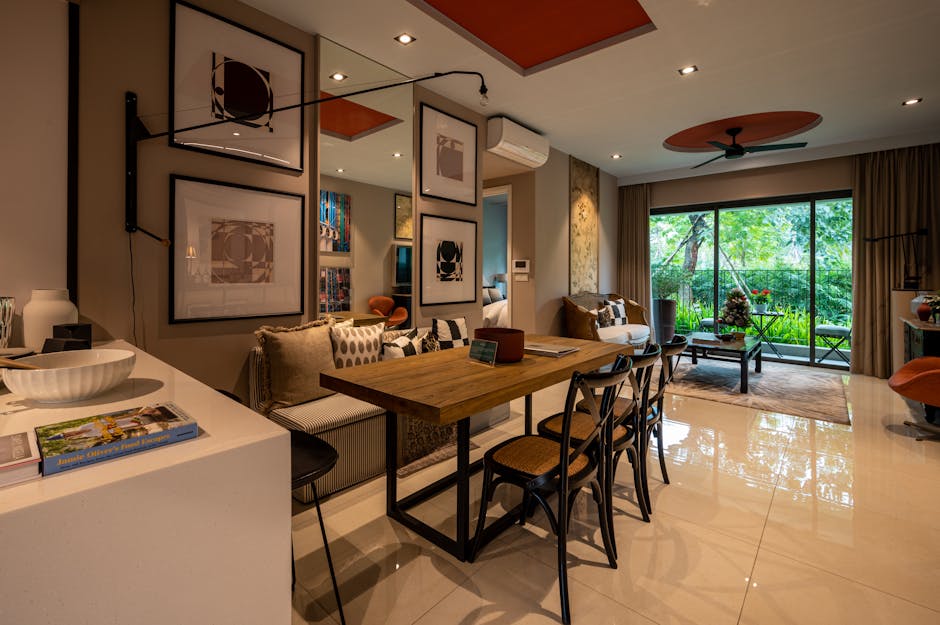
Before selecting furniture or paint colors, define a unifying design theme. A clear style direction—like modern minimalist, Scandinavian, industrial, or farmhouse—helps maintain visual harmony across rooms. This doesn’t mean every piece must match perfectly, but consistency in materials, color palettes, and textures creates a polished look.
For example, a neutral base of whites, grays, and beiges allows you to layer in accent colors and textures without overwhelming the space. Stick to 2–3 primary materials—such as wood, metal, and linen—to keep the design grounded and intentional.
Choose a Neutral Base with Strategic Accents
Neutral walls and large furniture pieces provide a calm backdrop that’s easy to update over time. Add personality through throw pillows, artwork, rugs, and lighting. A bold rug in a living room or a vibrant piece of wall art can instantly shift the mood without requiring a full renovation.
When choosing accent colors, consider the 60-30-10 rule: 60% dominant color (walls, sofa), 30% secondary (curtains, chairs), and 10% accent (decor, accessories). This比例 ensures balance and prevents visual clutter.
Optimize Layout for Flow and Function
Good interior design isn’t just about how things look—it’s about how they work together in daily life. Furniture placement should support natural movement and encourage interaction. In living rooms, arrange seating to face each other to promote conversation. In small spaces, floating furniture away from walls can create the illusion of more room.
Measure your space before buying new pieces. A large sectional might look great in a showroom but overwhelm a compact apartment. Use painter’s tape to outline furniture dimensions on the floor to test layouts before committing.
Prioritize Multifunctional Furniture
In homes where space is limited, every piece should earn its place. Opt for furniture that serves more than one purpose. A storage ottoman can double as seating and a place to stash blankets. A desk with built-in shelves keeps workspaces tidy. A sofa bed offers guest accommodations without dedicating a room to a guest bed.
Look for nesting tables, extendable dining tables, and beds with under-bed drawers. These solutions maximize utility without sacrificing style.
Let Light Shape Your Space
Lighting dramatically affects how a room feels. Layer lighting with a mix of ambient (overhead), task (desk or reading lamps), and accent (wall sconces or spotlights) sources. This approach adds depth and flexibility, allowing you to adjust the mood depending on the time of day or activity.
Natural light should be maximized whenever possible. Use sheer curtains instead of heavy drapes, and position mirrors to reflect windows and brighten dim corners. In rooms with limited daylight, warm-white LED bulbs (2700K–3000K) create a cozy, inviting glow.
Use Mirrors to Enhance Space and Light
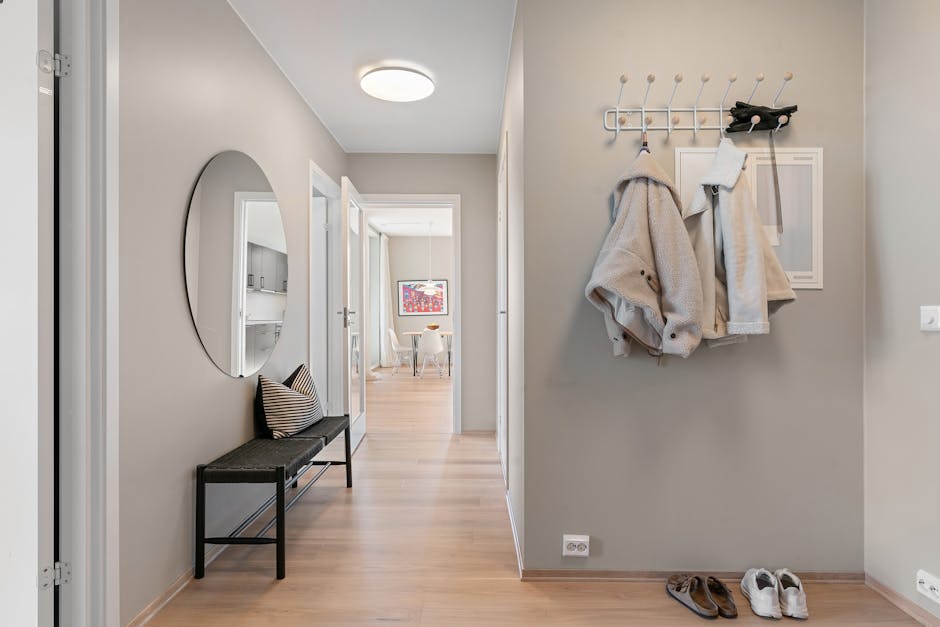
Mirrors are one of the most effective tools for making small rooms feel larger. Hang a large mirror opposite a window to double the natural light. Lean a full-length mirror against a wall in a narrow hallway to visually expand the space.
Choose frames that complement your decor—sleek metal for modern spaces, distressed wood for rustic charm. Avoid overcrowding walls with too many small mirrors; one or two well-placed pieces have more impact.
Incorporate Texture and Layering
Texture adds richness and depth to interiors. Mix materials like velvet cushions, woven baskets, knitted throws, and smooth ceramics to create visual interest. Even in minimalist spaces, texture prevents the room from feeling sterile or cold.
Layer rugs over hardwood or tile floors to define seating areas and add warmth. A jute rug under a patterned wool rug, for instance, combines natural texture with visual complexity. In bedrooms, layer bedding with different fabrics—cotton sheets, a knit blanket, and a lightweight quilt—for a cozy, inviting look.
Balance Open and Closed Storage
While open shelving displays decor and keeps items accessible, too much exposure can lead to visual clutter. Combine open shelves with closed cabinets or drawers to hide everyday essentials like remotes, paperwork, or cleaning supplies.
Use baskets or decorative boxes on shelves to corral small items. In kitchens, glass-front cabinets offer display space while keeping contents organized. In bathrooms, mirrored cabinets provide storage without sacrificing style.
Personalize with Meaningful Decor
Your home should reflect who you are. Incorporate items that have personal significance—travel souvenirs, family photos, handmade crafts, or inherited furniture. These pieces add authenticity and emotional warmth that mass-produced decor can’t replicate.
Create a gallery wall with framed art, postcards, or prints that tell a story. Rotate seasonal decor—like holiday-themed accents or fresh flowers—to keep the space feeling fresh and engaging throughout the year.
Avoid Over-Decorating
More isn’t always better. Too many decorative objects can make a room feel chaotic and difficult to clean. Stick to a few standout pieces per surface. On coffee tables, for example, limit items to a stack of books, a small plant, and a candle.
Edit regularly. If an item no longer brings joy or serves a purpose, consider donating or storing it. A clutter-free space feels more relaxing and allows your favorite pieces to shine.
Choose Durable, Easy-Care Materials
Style shouldn’t come at the expense of practicality. In high-traffic areas like living rooms and kitchens, choose fabrics and finishes that withstand daily use. Performance fabrics—treated to resist stains and fading—are ideal for upholstery and curtains.
For flooring, consider hardwood, luxury vinyl, or tile in entryways and kitchens. These materials are easier to clean and more durable than carpet in busy zones. In bedrooms, softer flooring like area rugs or carpet tiles adds comfort underfoot.
Maintain a Cleaning Routine
Even the most beautiful decor loses its appeal if it’s dusty or disorganized. Establish a simple weekly cleaning routine: dust surfaces, vacuum or mop floors, and wipe down mirrors and glass. Store items immediately after use to prevent clutter buildup.
Use drawer dividers, shelf organizers, and labeled bins to keep small items in place. A few minutes of daily tidying can prevent overwhelming cleanups later.
Upgrade with Smart Home Features
Modern technology can enhance both style and function. smart lighting systems let you adjust brightness and color temperature from your phone or voice assistant. Program lights to gradually brighten in the morning or dim in the evening to support natural sleep cycles.
Smart thermostats, motorized blinds, and voice-controlled speakers integrate seamlessly into decor while improving comfort and energy efficiency. Choose devices with sleek designs that blend with your aesthetic—matte black, brushed metal, or wood finishes.
Hide Wires and Cords
Visible cords can ruin an otherwise clean look. Use cable management solutions like cord covers, adhesive clips, or furniture with built-in channels. In home offices, route cables through desk grommets or under desks to keep surfaces tidy.
For TVs, mount them on the wall and use in-wall cable kits to hide HDMI and power cords. If wall-mounting isn’t an option, use a media console with rear ventilation and cord holes.
Refresh with Seasonal Updates
You don’t need a full redesign to keep your home feeling current. Swap out seasonal decor to reflect the time of year. In spring, add fresh greenery and light-colored textiles. In fall, introduce warm tones like burnt orange and deep red through pillows and throws.
Rotate artwork or rearrange furniture every few months to create a sense of novelty. Even small changes—like updating cabinet hardware or switching out lampshades—can make a big difference.
Invest in Timeless Pieces
While trends come and go, classic furniture and decor endure. Invest in high-quality, timeless pieces like a well-made sofa, a solid wood dining table, or a neutral area rug. These anchor your space and provide a foundation for trendier accents.
Avoid overly trendy items for large purchases. Instead, use affordable accessories to experiment with new styles. This approach saves money and reduces the need for frequent replacements.
FAQs
How can I make a small room look bigger?
Use light colors on walls and floors, maximize natural light with sheer curtains, and incorporate mirrors to reflect space. Choose furniture with exposed legs and avoid overcrowding the room with large pieces.
What’s the best way to arrange furniture in an open-plan space?
Define zones with area rugs and lighting. Use furniture placement to create natural divisions—for example, position a sofa to separate a living area from a dining space. Keep traffic paths clear and ensure each zone has a clear purpose.
How often should I update my home decor?
There’s no set rule, but refreshing decor every 2–3 years keeps your space feeling current. Focus on small changes like new pillows, artwork, or lighting. Major updates are only needed when your lifestyle or taste significantly changes.