Home Decor Ideas for Apartments with Limited Space
Living in a small apartment doesn’t mean sacrificing style or comfort. Exploring small apartment decor reveals important insights. With thoughtful planning and smart design choices, you can create a functional, inviting space that feels larger than it is. The best home decor ideas for apartments with limited space focus on maximizing every square foot through multifunctional furniture, strategic storage, and visual tricks that enhance openness. Whether you’re in a studio or a one-bedroom unit, these practical tips will help you make the most of your layout without clutter or compromise.
Start with a Light and Neutral Color Palette
Color plays a crucial role in how spacious a room feels. Light, neutral tones like soft whites, warm grays, and pale beiges reflect natural light and make walls appear to recede. Avoid dark or overly saturated colors on large surfaces—they can make a room feel cramped and enclosed.
For example, painting your walls in a light shade of greige (a blend of gray and beige) creates a clean, airy backdrop that works with most furniture styles. If you want to add personality, do so through accessories like throw pillows, artwork, or a single accent wall in a muted tone rather than bold patterns or dark paint.
Ceilings should also be kept light. A white or off-white ceiling enhances the sense of height, especially in rooms with low ceilings. Avoid hanging heavy light fixtures that drop too far down—opt for flush or semi-flush mounts instead.
Use Mirrors to Expand Visual Space
Mirrors are one of the most effective tools for making small spaces feel larger. A well-placed mirror can double the perceived size of a room by reflecting light and creating the illusion of depth.
Hang a large mirror opposite a window to bounce natural light throughout the space. Alternatively, consider a mirrored closet door or a decorative mirror with a slim frame above a console table in the entryway. Avoid overcrowding walls with too many small mirrors—this can create visual clutter. One or two large, thoughtfully positioned mirrors are more impactful.
Choose Multifunctional Furniture
In apartments with limited space, every piece of furniture should earn its keep. Multifunctional furniture serves more than one purpose, reducing the need for excess items and keeping the floor plan open.
Look for pieces like:
- Sofa beds – Ideal for studios or guest rooms, they provide seating by day and a sleeping surface by night.
- Storage ottomans – Use as footrests, extra seating, or coffee tables while storing blankets, books, or seasonal items inside.
- Murphy beds – Fold up into the wall when not in use, freeing up floor space during the day.
- Extendable dining tables – Compact when closed, they expand to accommodate guests during meals.
- Nesting tables – Small side tables that tuck under one another when not needed.
When shopping, prioritize furniture with clean lines and legs that elevate it off the floor. This creates visual airflow and makes the room feel less crowded.
Avoid Oversized Pieces
It’s tempting to buy furniture that matches your dream home, but oversized sofas, bulky armchairs, or large coffee tables can overwhelm a small apartment. Instead, choose scaled-down versions that fit the proportions of your space.
For instance, a loveseat may be more appropriate than a full-sized sofa in a studio. Similarly, a round pedestal table takes up less visual space than a rectangular one with sharp corners. Measure your room and furniture before purchasing—use painter’s tape to outline dimensions on the floor to test the layout.
Maximize Vertical Space
When floor space is limited, look up. Vertical storage and decor draw the eye upward, making ceilings feel higher and rooms more expansive.
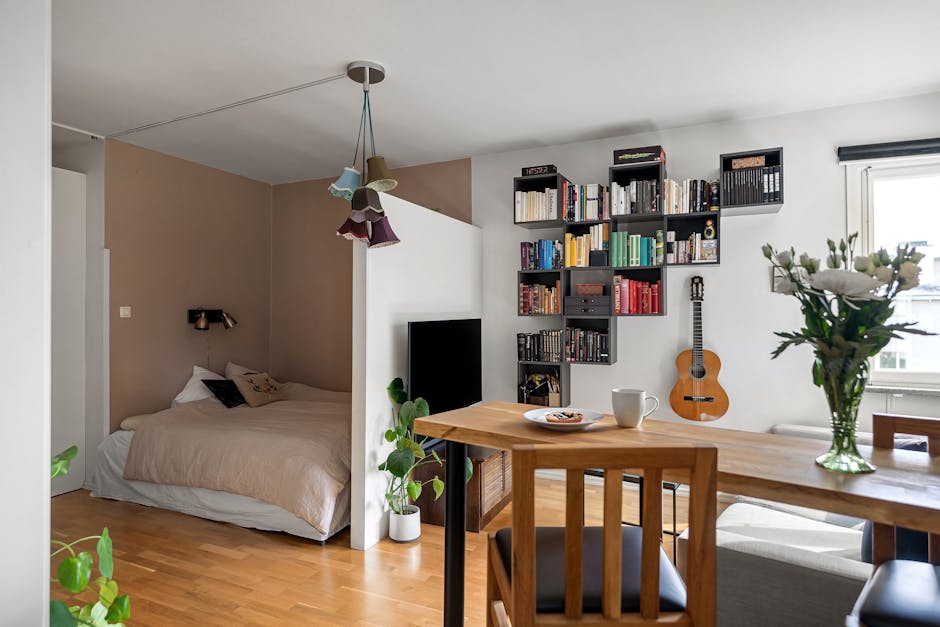
Install floating shelves above doorways, along blank walls, or above the sofa to display books, plants, or art without consuming floor area. Use tall bookcases or ladder shelves that reach toward the ceiling—they store more while occupying minimal footprint.
Consider wall-mounted lighting, such as sconces or swing-arm lamps, to free up surface space on nightstands or desks. Similarly, mount your TV on the wall instead of using a media console, which can block pathways and collect clutter.
Use the Back of Doors
Don’t overlook the back of doors—they’re prime real estate in small apartments. Over-the-door organizers work well for shoes, accessories, or cleaning supplies. For a sleeker look, install slim hooks or racks to hang bags, hats, or lightweight baskets.
Just ensure that added weight doesn’t strain the door hinges over time. Stick to lightweight items and distribute weight evenly.
Declutter and Organize Strategically
A cluttered space feels smaller, no matter how well-designed. Regular decluttering is essential in small apartments, where every item competes for attention.
Adopt a “one in, one out” rule: for every new item you bring in, remove an old one. Use clear bins or labeled boxes to store seasonal clothing, paperwork, or hobby supplies out of sight. Under-bed storage is especially useful—opt for low-profile containers that slide easily beneath the frame.
Keep surfaces like countertops, tables, and nightstands clear. If they’re covered in objects, the room will feel chaotic and cramped. Reserve these areas for only the essentials: a lamp, a book, or a small plant.
Use Drawer Dividers and Cabinet Organizers
Small spaces demand efficient organization. Drawer dividers help separate socks, utensils, or office supplies, making it easier to find what you need without rummaging. In the kitchen, use shelf risers to double cabinet space for plates or spices.
In bathrooms, over-the-toilet shelving units or corner caddies maximize unused areas. Choose organizers that match your decor—bamboo trays or white plastic bins blend in better than mismatched containers.
Let in Natural Light
Natural light is a game-changer for small spaces. It opens up the room, reduces the need for artificial lighting, and improves mood.
Keep windows unobstructed. Exploring small apartment decor reveals important insights. Avoid heavy curtains or blinds that block light—instead, use sheer panels, light-filtering shades, or Roman blinds in pale fabrics. If privacy is a concern, install frosted window film or use top-down/bottom-up shades that let light in from the top while covering the lower portion.
Position furniture away from windows to prevent blocking light. Even a small armchair placed directly in front of a window can cast shadows and shrink the perceived space.
Layer Lighting for Function and Ambiance
Good lighting design can make a small apartment feel cozy and functional. Rely on a mix of ambient, task, and accent lighting.
Ambient lighting (like ceiling fixtures or floor lamps) provides overall illumination. Task lighting (such as desk or reading lamps) supports specific activities. Accent lighting (like LED strips under shelves or picture lights) highlights decor and adds depth.
Avoid relying solely on one overhead light—it can create harsh shadows and make the space feel flat. Instead, distribute light sources around the room to eliminate dark corners and create a balanced glow.
Define Zones Without Walls
In open-plan apartments, defining different areas—like a living room, dining space, and workspace—helps create order without physical barriers.
Use area rugs to anchor each zone. A rug under the sofa and coffee table visually separates the living area from the kitchen or entryway. Choose rugs that are large enough to fit all furniture legs on them—too small, and the space feels fragmented.
Furniture placement also helps. Position a sofa with its back to the kitchen to create a natural divider, or use a bookshelf as a room separator that doubles as storage. Low-profile furniture maintains sightlines and keeps the space feeling open.
Opt for Open Shelving in Kitchens
In small kitchens, upper cabinets can make the room feel boxed in. Open shelving offers a lighter alternative, especially when used selectively.
Install a few floating shelves to display dishes, cookbooks, or plants. Keep them organized and minimal—cluttered shelves defeat the purpose. Paint the wall behind the shelves a slightly different shade to add depth without closing off the space.
Incorporate Plants for Life and Air Quality
Indoor plants add color, texture, and a sense of calm to small apartments. They also improve air quality and can make a space feel more inviting.
Choose low-maintenance varieties like pothos, snake plants, or ZZ plants that thrive in indirect light and require minimal watering. Use hanging planters or wall-mounted pots to save floor space. A small herb garden on the windowsill brings greenery into the kitchen without taking up counter room.
Avoid overcrowding with too many plants—stick to three to five well-placed specimens for maximum impact.
Choose the Right Window Treatments
Window treatments can either enhance or hinder the sense of space. The key is to keep them simple and light.
Mount curtain rods several inches above the window frame and extend them beyond the sides. This makes windows appear larger and allows more light to enter when curtains are open. Use lightweight fabrics like linen or cotton in solid, light colors.
For a modern look, consider motorized blinds or remote-controlled shades that can be adjusted throughout the day without manual effort.
Personalize Without Overcrowding
Your apartment should reflect your personality, but in small spaces, less is more. Choose a few meaningful pieces—like a favorite piece of art, a travel souvenir, or a family photo—and display them thoughtfully.
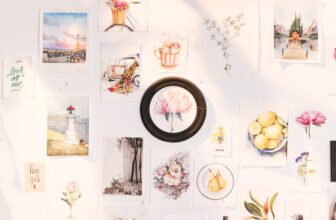
Create a gallery wall with a cohesive theme, such as black-and-white photos or botanical prints, using uniform frames for a clean look. Avoid filling every wall surface—negative space is just as important as decor.
Final Tips for Long-Term Success
Designing a small apartment is an ongoing process. As your needs change, so should your space. Reassess your layout every six months to ensure everything still serves a purpose.
Invest in quality over quantity. A few well-made, versatile pieces will last longer and look better than a collection of trendy, disposable items. And remember: functionality should always come before aesthetics. A beautiful room that’s hard to live in isn’t truly successful.
FAQ
What are the best furniture pieces for a small apartment?
The best furniture for small apartments includes multifunctional items like sofa beds, storage ottomans, and nesting tables. Prioritize pieces with clean lines and legs that elevate them off the floor to maintain visual openness.
How can I make my small apartment look bigger?
Use light colors on walls and ceilings, incorporate mirrors, maximize natural light, and choose appropriately scaled furniture. Decluttering and using vertical storage also help create the illusion of more space.
Is it okay to use bold colors in a small apartment?
Yes, but use them sparingly. Apply bold colors to small accents like pillows, artwork, or a single decorative object. Avoid painting large walls in dark or vibrant shades, as they can make the room feel smaller.