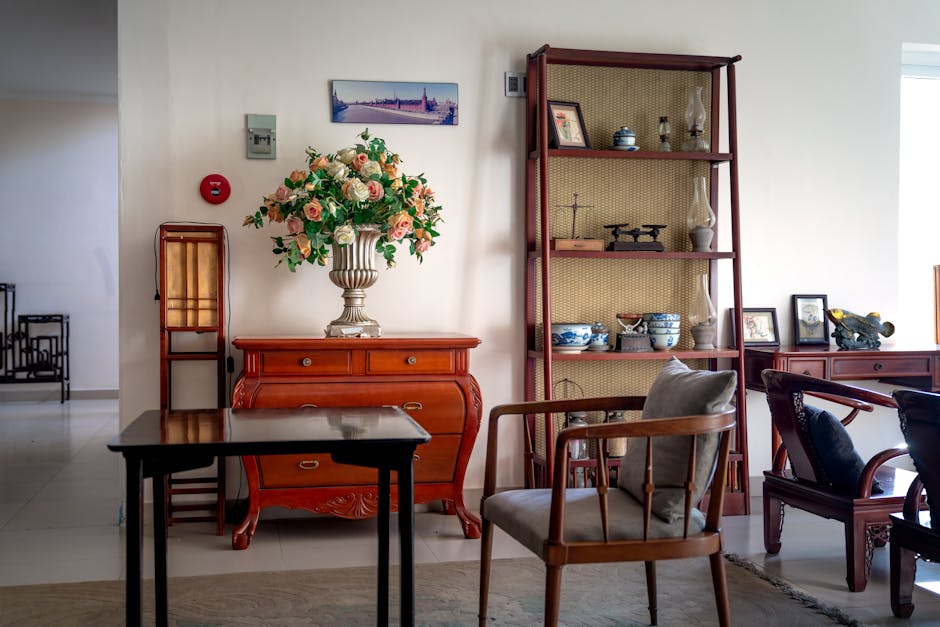
Farmhouse Home Decor Ideas for Classic Interior Style
Farmhouse home decor ideas for classic interior style blend timeless charm with practical comfort, creating warm, inviting spaces rooted in tradition. Characterized by natural materials, neutral palettes, and vintage-inspired accents, this enduring design approach emphasizes craftsmanship and simplicity. Whether you’re updating a rural cottage or adding rustic touches to a modern home, these ideas help achieve an authentic yet livable aesthetic that feels both grounded and refined.
What Defines Classic Farmhouse Interior Style?
Classic farmhouse style draws inspiration from rural American homes of the 18th and 19th centuries, where function met form in everyday living spaces. It’s not about recreating a museum piece—it’s about capturing the spirit of comfort, durability, and understated elegance. Key elements include exposed wood beams, shiplap walls, and furniture built to last. The look favors symmetry, clean lines, and a restrained use of pattern, allowing materials and textures to take center stage.
Unlike more ornate or maximalist styles, farmhouse decor prioritizes usability. A well-worn wooden table, a linen-upholstered armchair, or a cast-iron skillet hanging on the wall aren’t just decorative—they’re part of daily life. This practical foundation is what gives the style its lasting appeal.
Core Characteristics of Authentic Farmhouse Design
- Natural Materials: Reclaimed wood, stone, iron, and cotton or linen textiles form the backbone of the look.
- Neutral Color Palette: Soft whites, warm grays, creamy beiges, and earthy tones dominate, with occasional muted blues or greens for contrast.
- Handcrafted Details: Handmade quilts, forged iron hardware, and turned wooden legs signal attention to craftsmanship.
- Functional Layouts: Open floor plans with defined zones encourage family interaction and ease of movement.
- Vintage Accents: Antique or reproduction items—like milk cans, enamelware, or mason jars—add historical character without clutter.
Essential Elements to Incorporate in Your Space
Building a cohesive farmhouse interior starts with layering foundational elements that work together harmoniously. Begin with structural features, then move to furniture, textiles, and accessories. Each layer should support the overall sense of calm, authenticity, and warmth.
Walls and Surfaces
Shiplap remains one of the most recognizable hallmarks of farmhouse decor. Install horizontal wood planks on walls—especially in kitchens, dining areas, or entryways—to add texture and visual interest. For a subtler approach, consider beadboard or tongue-and-groove paneling. If full-wall coverage feels too heavy, apply shiplap to a single accent wall or ceiling.
Painted finishes should lean toward soft, matte sheens. Benjamin Moore’s “Simply White” or Sherwin-Williams’ “Alabaster” are popular choices that reflect light gently without appearing sterile. Avoid high-gloss paints, which can feel too modern or clinical for the style.
Flooring That Grounds the Space
Wide-plank hardwood floors in oak, pine, or reclaimed barn wood are ideal. Opt for finishes that show natural grain and subtle wear—distressed or wire-brushed surfaces enhance authenticity. In high-moisture areas like bathrooms or mudrooms, consider wide-format ceramic tiles designed to mimic wood or stone.
Rugs should complement, not compete. Choose natural fiber options like jute, sisal, or wool in neutral tones. A vintage-style Persian or Oriental rug in muted colors can add warmth and history, but keep patterns understated to maintain the calm, uncluttered feel central to farmhouse design.
Furniture: Timeless Over Trendy
Select pieces with clean lines and sturdy construction. A farmhouse dining table made from solid wood—often with a trestle base—serves as both a functional centerpiece and a visual anchor. In living rooms, look for sofas and chairs with slipcovers in cotton or linen, which age gracefully and can be easily cleaned.
Avoid overly ornate carvings or synthetic materials. Instead, embrace furniture that shows its age—a slightly chipped paint finish on a dresser or a well-used rocking chair adds character. Mixing new and vintage pieces creates depth; for example, pair a modern farmhouse sofa with an antique sideboard or a repurposed ladder shelf.
Color Palette and Textile Choices
The color scheme in classic farmhouse interiors is intentionally restrained. Whites and off-whites provide a bright, airy base, while warm grays and taupes add subtle depth. Earthy accents like sage green, dusty blue, or terracotta appear sparingly—in throw pillows, curtains, or a single painted cabinet.
Textiles play a crucial role in softening the space. Layering is key: start with a neutral base (like a white linen duvet), then add a chunky knit throw, a vintage quilt, or embroidered cushion covers. Fabrics should feel natural to the touch—avoid polyester blends that look shiny or synthetic.
In kitchens, consider open shelving lined with white ceramic dishes, glass canisters, and woven baskets. These items serve practical purposes while contributing to the overall aesthetic. Avoid overcrowding shelves; leave breathing room between objects to maintain visual calm.
Lighting That Enhances Ambiance
Lighting in farmhouse interiors should feel warm and inviting. Pendant lights with metal finishes—black iron, brushed nickel, or oil-rubbed bronze—hang above kitchen islands or dining tables. Look for designs with clear or seeded glass shades that diffuse light softly.
Chandeliers with candle-style bulbs add a touch of elegance without formality. In bedrooms or reading nooks, table lamps with ceramic or wooden bases provide task lighting while reinforcing the handcrafted feel. Avoid overly sleek or industrial fixtures unless they’re balanced with warmer elements.
Natural light is equally important. Use lightweight, semi-sheer curtains that allow daylight to filter through while offering privacy. Hang them close to the window frame to maximize openness.
Decorative Accents with Purpose
Every accessory in a farmhouse-inspired space should feel intentional. Rather than filling shelves with knickknacks, choose items that reflect daily life or personal history. A collection of vintage books stacked on a coffee table, a bundle of dried lavender in a mason jar, or a framed black-and-white family photo all contribute meaningfully to the atmosphere.
Kitchen walls often feature functional decor: cast-iron pans hung from hooks, wooden cutting boards displayed vertically, or a chalkboard with handwritten recipes. These elements blur the line between utility and beauty, which is central to the farmhouse ethos.
Plants bring life into the space without disrupting the neutral palette. Potted herbs on a windowsill, a fiddle-leaf fig in the corner, or a simple eucalyptus garland above a mantel add greenery that feels organic, not staged.
Room-by-Room Farmhouse Decor Tips
Kitchen
The kitchen is the heart of the farmhouse home. Install open shelving to display everyday dishes and glassware. A farmhouse sink—typically fireclay with a deep basin—adds both function and signature style. Backsplashes can be subway tile in white or cream, or even reclaimed wood for added texture.
Cabinets are usually painted in soft white or light gray, with simple Shaker-style doors. Hardware should be understated: bin pulls or cup pulls in black iron or brass. Avoid glossy finishes or intricate detailing.
Living Room
Focus on comfort and conversation. Arrange seating to encourage interaction—sofas and armchairs facing each other, with a coffee table in the center. Use slipcovered furniture for easy maintenance and a relaxed look. A stone or brick fireplace (real or faux) serves as a natural focal point.
Bookshelves built into alcoves or along walls provide storage and display space. Fill them with a mix of books, framed photos, and small collectibles. Keep the top shelves lightly styled to avoid a cluttered appearance.
Bedroom
Create a restful retreat with layered bedding in natural fabrics. A wrought-iron or wooden bed frame anchors the room. Nightstands with drawers offer concealed storage, while a bench at the foot of the bed adds utility and style.
Window treatments should be simple: Roman shades or café curtains in cotton or linen. If using drapes, choose floor-length panels in a neutral tone that tie into the wall color.
Bathroom
Even small bathrooms can embrace farmhouse charm. Use subway tile on walls and a hexagon tile floor in white or gray. A freestanding tub or pedestal sink adds vintage appeal. Towels should be thick and absorbent, preferably in white or oatmeal.
Accessories like a wooden ladder for hanging towels, a ceramic soap dispenser, or a small stool beside the tub enhance the lived-in feel. Avoid chrome finishes; instead, choose oil-rubbed bronze or matte black fixtures.
Common Mistakes to Avoid
While farmhouse style is approachable, it’s easy to tip into cliché or clutter. Here are pitfalls to watch for:
- Overusing Shiplap: One or two walls are enough. Covering every surface can make a room feel boxed-in.
- Too Many Signs and Sayings: Inspirational quotes on distressed wood are common but easily overdone. Limit to one or two meaningful pieces.
- Mixing Too Many Patterns: Stick to one or two subtle patterns—like gingham or ticking stripe—and let solids dominate.
- Ignoring Scale: Oversized furniture can overwhelm a small space. Choose pieces proportional to the room.
- Forgetting Function: Decor should enhance daily life, not hinder it. Keep walkways clear and surfaces usable.
How to Personalize Your Farmhouse Space
Authenticity comes from personal touches. Incorporate family heirlooms, handmade items, or travel souvenirs that tell your story. A quilt passed down through generations, a child’s artwork framed simply, or a collection of seashells from a favorite beach all add unique character.
If you don’t live in a rural area, you can still capture the essence of farmhouse living. Focus on materials, textures, and a sense of history rather than literal farm elements. A city apartment can feel just as cozy with the right palette, lighting, and mindful curation.
Final Thoughts on Farmhouse Home Decor Ideas for Classic Interior Style
Farmhouse home decor ideas for classic interior style offer a timeless way to create warm, welcoming spaces that prioritize comfort and authenticity. By focusing on natural materials, neutral colors, and functional beauty, you can build a home that feels both rooted and restful. The key is balance—honoring tradition without sacrificing modern livability.
Start with foundational elements like flooring and walls, then layer in furniture and textiles that reflect your lifestyle. Add personal accents thoughtfully, and avoid trends that don’t align with the calm, grounded spirit of the style. With careful attention to detail, your space will embody the enduring appeal of classic farmhouse design.
FAQ
What’s the difference between modern farmhouse and classic farmhouse style?
Classic farmhouse emphasizes historical authenticity, natural wear, and traditional materials, while modern farmhouse incorporates sleeker lines, bolder contrasts, and updated finishes. Classic tends to feel warmer and more lived-in; modern leans toward minimalism with rustic touches.
Can I use farmhouse decor in a small urban apartment?
Yes. Focus on scale-appropriate furniture, light colors, and multifunctional pieces. Use mirrors, sheer curtains, and open shelving to maintain airiness. Choose a few key farmhouse elements—like a wooden coffee table or linen textiles—rather than overwhelming the space.
Is shiplap necessary for a farmhouse look?
No. While shiplap is iconic, it’s not required. Beadboard, painted wood paneling, or even textured paint can achieve a similar effect. The essence of farmhouse style lies in materials, color, and simplicity—not any single feature.