Home Decor Ideas for Indoor Plants and Green Spaces
Bringing plants indoors isn’t just about adding greenery—it’s about transforming your living space into a calming, vibrant environment. Whether you have a sunlit living room or a compact studio apartment, thoughtful home decor ideas for indoor plants and green spaces can elevate both aesthetics and well-being. From choosing the right containers to arranging plants for visual impact, small changes make a big difference. This guide covers practical, stylish strategies to integrate plants seamlessly into your home, with real examples and actionable tips.
Why Indoor Plants Belong in Your Home Decor
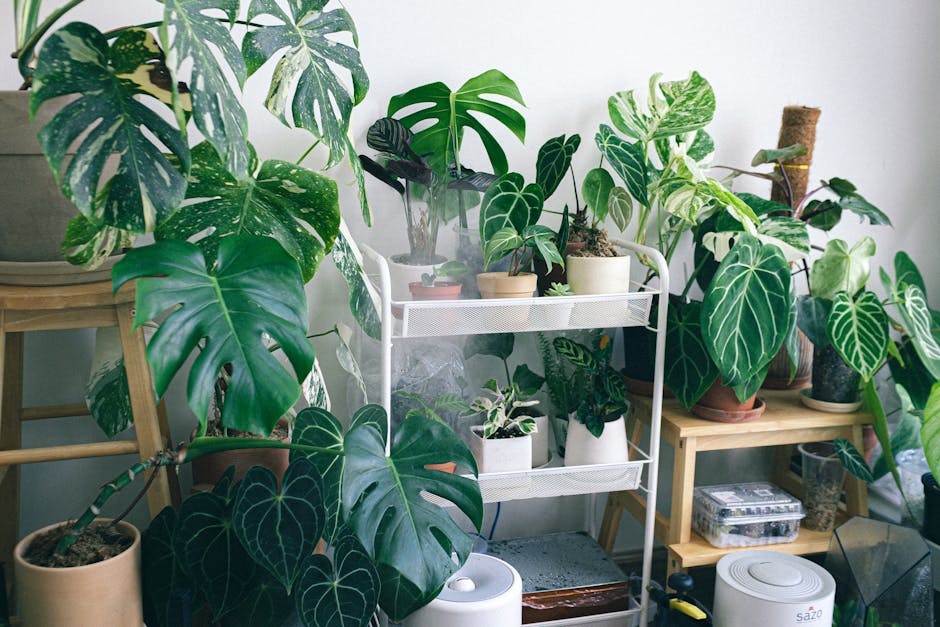
Indoor plants do more than look good. They improve air quality, reduce stress, and boost focus. Studies show that people in plant-filled spaces report higher levels of comfort and productivity.
Beyond function, plants add texture, color, and life to any room. A trailing pothos on a bookshelf or a sculptural fiddle-leaf fig in the corner creates focal points that draw the eye. They soften hard edges and balance modern furniture, making spaces feel more inviting.
Even in minimalist designs, a single well-placed plant can serve as a statement piece. The key is intention—choosing species and placements that complement your existing decor rather than compete with it.
Choosing the Right Plants for Your Space
Not all plants thrive in the same conditions. Start by assessing your home’s light, humidity, and temperature. South-facing windows offer bright light ideal for succulents and cacti, while north-facing rooms suit low-light lovers like snake plants and ZZ plants.
Consider your lifestyle. If you travel often, opt for low-maintenance varieties such as pothos, cast iron plants, or spider plants. These tolerate irregular watering and fluctuating light.
For bathrooms, where humidity is high, ferns and peace lilies flourish. In dry living areas, group plants together to create a microclimate that retains moisture.
Top 5 Beginner-Friendly Indoor Plants
- Snake Plant: Nearly indestructible, it grows in low light and needs watering only every 2–3 weeks.
- Pothos: Trails beautifully from shelves or hangs in baskets; thrives in indirect light.
- ZZ Plant: Stores water in its rhizomes, making it drought-tolerant and perfect for beginners.
- Spider Plant: Produces “pups” that can be propagated; safe for pets and adaptable to various conditions.
- Peace Lily: Blooms indoors and signals thirst by drooping—easy to read and care for.
Avoid overbuying. Start with one or two plants, learn their needs, and expand gradually. This prevents overwhelm and increases your chances of long-term success.
Styling Tips: Where and How to Display Indoor Plants
Placement is everything. Think vertically: use wall-mounted shelves, hanging planters, or tall plant stands to draw the eye upward and maximize floor space. This works especially well in small apartments.
Group plants in odd numbers—three or five—for visual harmony. Vary heights and textures: pair a tall, upright plant like a rubber tree with a bushy pilea and a trailing ivy.
Use furniture as plant platforms. A side table next to a sofa, a windowsill, or the top of a bookshelf all make excellent spots. Just ensure the surface can handle occasional water spills.
Creative Display Ideas
- Hanging Baskets: Ideal for trailing plants like string of pearls or heartleaf philodendron. Hang near windows for optimal light.
- Terrariums: Self-contained glass ecosystems work in bright, indirect light. Great for desks or coffee tables.
- Plant Ladders: Tiered wooden or metal ladders let you showcase multiple plants at different levels.
- Repurposed Containers: Use vintage teacups, mason jars, or woven baskets as unique planters. Ensure drainage holes are added if needed.
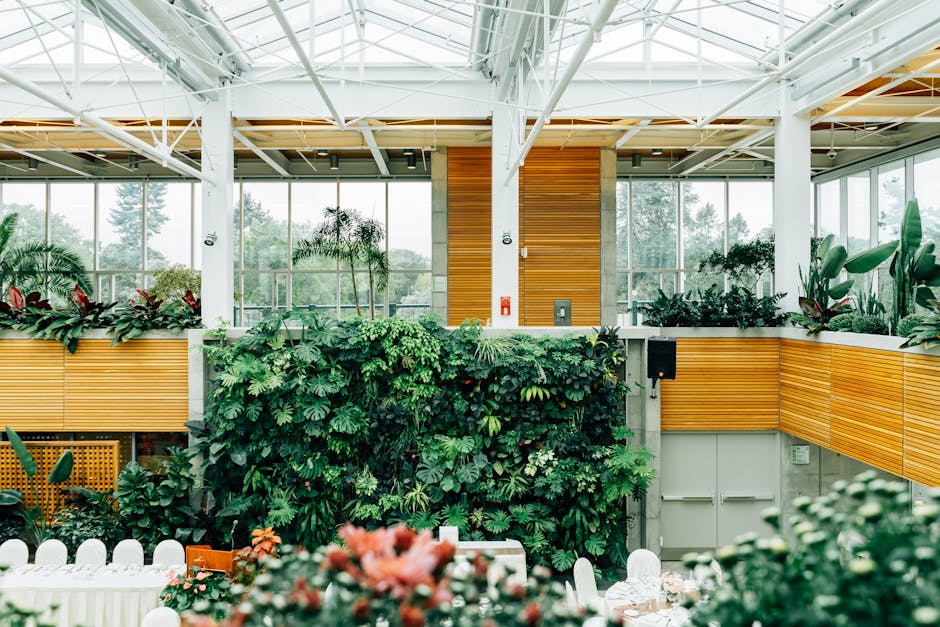
- Green Walls: Also called living walls, these modular systems mount on walls and support small plants. Best for dedicated plant lovers with consistent light.
Rotate plants occasionally so all sides receive light and grow evenly. This simple habit prevents lopsided growth and keeps your display looking balanced.
Matching Planters to Your Interior Style
The container can be as important as the plant itself. Match the pot to your room’s aesthetic for a cohesive look.
In modern spaces, choose clean-lined ceramic pots in neutral tones like white, gray, or black. Matte finishes reduce glare and blend seamlessly with minimalist furniture.
For bohemian or eclectic interiors, mix textures: macramé hangers, rattan baskets, or hand-painted terracotta. Don’t be afraid of color—deep blues, earthy reds, or mustard yellows add warmth.
Scandinavian decor favors light wood and simple shapes. A birch plant stand or a pale ceramic pot enhances the airy, natural feel.
Avoid plastic nursery pots in visible areas. Slip them into decorative outer containers, known as cachepots, for a polished appearance. This also allows for easy watering without moving the plant.
DIY Planter Ideas
- Paint plain terracotta pots with chalk paint and seal with a clear coat for a custom look.
- Use a colander as a hanging planter—its holes provide natural drainage.
- Line a shallow tray with pebbles and place small potted plants on top for a unified display.
- Turn a ladder into a plant stand by placing pots on each rung.
Remember: drainage matters. Even the most stylish pot needs a way for excess water to escape. If your favorite container lacks holes, keep the plant in a plastic nursery pot inside it.
Creating a Cohesive Green Corner
A green corner—a dedicated area for multiple plants—can become a room’s centerpiece. Choose a quiet, well-lit spot like a reading nook or near a window.
Start with a focal plant, such as a large monstera or bird of paradise. Surround it with smaller companions: a ZZ plant, a peace lily, and a trailing ivy in a hanging planter above.
Add a small bench or stool to create a seating area. This invites relaxation and makes the space functional, not just decorative.
Use a rug to define the zone, especially in open-plan homes. A jute or sisal rug complements natural themes and grounds the arrangement.
Lighting enhances the effect. If natural light is limited, add a floor lamp with a warm bulb to mimic sunlight and highlight leaf textures at night.
What to Avoid
- Overcrowding: Leave space between plants for air circulation and growth.
- Ignoring scale: A tiny succulent in a massive room gets lost; a giant palm in a tiny bathroom feels overwhelming.
- Mismatched care needs: Grouping a thirsty fern with a drought-tolerant cactus leads to unhappy plants.
A well-designed green corner feels intentional and restful—a sanctuary within your home.
Seasonal Adjustments for Year-Round Appeal
Your plant decor should evolve with the seasons. In spring and summer, when growth is active, refresh displays with blooming plants like African violets or begonias.
Move plants closer to windows during brighter months, but watch for scorching midday sun through glass. Use sheer curtains to diffuse intense rays.
In fall and winter, reduce watering and avoid fertilizing. Many plants enter dormancy and need less care.
Rotate plants toward light sources more frequently in darker months. Consider supplemental grow lights if natural light is scarce.
Holiday decor can include plants too. Poinsettias, cyclamen, and Norfolk Island pines add festive color. After the holidays, transition them into everyday displays.
Seasonal swaps keep your space feeling fresh and prevent decor fatigue. Even small changes—like switching out pot covers or adding seasonal accents—make a difference.
Common Mistakes to Avoid
Overwatering is the number one killer of houseplants. Most plants prefer to dry out slightly between waterings. Stick your finger an inch into the soil—if it’s damp, wait.
Using the wrong soil can suffocate roots. Regular garden soil compacts indoors; always use a well-draining potting mix designed for containers.
Ignoring pests early leads to bigger problems. Check leaves regularly for spider mites, mealybugs, or fungus gnats. Isolate affected plants and treat with insecticidal soap or neem oil.
Don’t assume all “pet-friendly” plants are safe. Some, like pothos and philodendron, are toxic if ingested. Use hanging planters or high shelves if you have curious pets.
Finally, avoid placing plants near heating vents or drafty windows. Sudden temperature swings stress plants and cause leaf drop.
Small Spaces, Big Impact
You don’t need a lot of room to enjoy indoor greenery. In studios or apartments, every inch counts.
Use vertical space: install floating shelves, pegboards, or wall-mounted planters. A single shelf can hold three small pots and a trailing plant above.
Choose compact varieties like peperomia, haworthia, or mini succulents. They thrive in small pots and don’t outgrow their space quickly.
Mirror tricks help. Place a plant near a mirror to reflect greenery and make the room feel larger.
Even a windowsill herb garden counts. Basil, mint, and parsley grow well in small containers and serve double duty in the kitchen.
Remember: one well-chosen plant in a striking pot can have more impact than a cluttered collection.
Bringing Nature Indoors: Final Thoughts
Integrating plants into your home decor is a rewarding way to enhance both beauty and well-being. It doesn’t require a green thumb or a large budget—just thoughtful choices and consistent care.
Start small, observe how your plants respond, and adjust as needed. Over time, you’ll develop a rhythm and a style that feels uniquely yours.
Whether you’re drawn to lush jungles or minimalist desert gardens, there’s a plant setup that fits your space and personality. Let greenery guide your design, not the other way around.
FAQ
Q: How often should I water my indoor plants?
A: It depends on the plant and environment. Check the soil weekly—water only when the top inch feels dry. Overwatering is more harmful than underwatering.
Q: Can I keep plants in a room with no windows?
A: Yes, with artificial light. Use full-spectrum grow lights for 12–14 hours daily. Choose low-light-tolerant plants like ZZ plants or snake plants for best results.
Q: Are all indoor plants safe for pets?
A: No. Many common houseplants, including pothos and lilies, are toxic to cats and dogs. Research each plant before bringing it home, and place risky varieties out of reach.