Smart Home Security Devices for Safer Living Spaces
Smart home security devices for safer living spaces are transforming how homeowners protect their properties. These systems combine real-time monitoring, instant alerts, and remote access to give you peace of mind whether you’re at home or away. From smart doorbells to motion-sensing cameras and intelligent locks, modern technology offers practical, user-friendly solutions that deter intruders and help you respond quickly to potential threats. This guide breaks down the most effective smart security options, how they work together, and what to consider before buying—so you can build a system that fits your lifestyle and home layout.
Why Smart Home Security Matters More Than Ever
Traditional locks and alarm systems still have their place, but they often lack the responsiveness and adaptability that today’s households need. Smart home security devices close that gap by connecting directly to your smartphone or tablet, sending live updates the moment something unusual happens. For example, if a package is delivered while you’re at work, a smart doorbell can notify you and let you speak to the delivery person through two-way audio. If motion is detected in your backyard at night, a smart floodlight camera can turn on the lights and start recording—all while alerting you instantly.
These systems aren’t just about preventing break-ins. They also help monitor elderly family members, keep an eye on pets, and even detect hazards like smoke or carbon monoxide when integrated with compatible sensors. The result is a layered approach to safety that goes beyond perimeter defense to support everyday well-being.
Top Types of Smart Home Security Devices
Not all smart security tools are created equal. Choosing the right combination depends on your home’s layout, your daily routines, and your specific concerns. Below are the most widely used and effective categories of smart home security devices for safer living spaces.
1. Smart Doorbells
Smart doorbells are among the most popular entry points into home automation. Equipped with HD video, night vision, and motion detection, they allow you to see who’s at your door from anywhere. Models like the Ring Video Doorbell Pro or Google Nest Doorbell offer features such as person detection, package alerts, and integration with other smart home platforms.
Installation is typically straightforward—most models replace your existing doorbell and connect via Wi-Fi. Some require a wired connection, while newer battery-powered versions offer greater flexibility. A key benefit is the ability to communicate with visitors remotely, which can deter porch pirates or allow you to give delivery instructions even when you’re not home.
2. Indoor and Outdoor Security Cameras
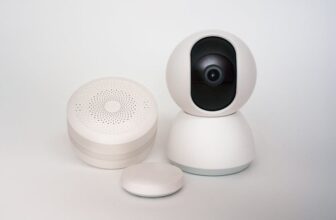
Security cameras provide continuous monitoring of key areas inside and outside your home. Indoor models like the Arlo Essential Indoor Camera offer privacy shutters and clear two-way audio, making them ideal for nurseries or home offices. Outdoor cameras, such as the Eufy SoloCam S40, are weather-resistant and often include built-in spotlights or sirens.
Look for cameras with local storage options (like microSD cards) or encrypted cloud storage to protect your footage. Motion zones let you customize where the camera “watches,” reducing false alerts from passing cars or tree shadows. Many systems also support AI-based recognition to distinguish between people, animals, and vehicles.
3. Smart Locks
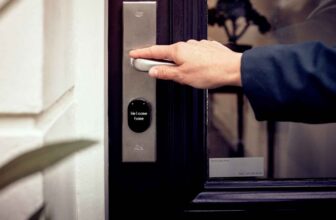
Smart locks eliminate the need for physical keys while offering controlled access to your home. You can lock or unlock doors remotely, create temporary codes for guests or service providers, and receive notifications when someone enters. Popular options include the August Wi-Fi Smart Lock and the Schlage Encode Plus, both of which work with voice assistants like Alexa and Google Assistant.
Installation varies—some fit over your existing deadbolt, while others require full replacement. Always ensure compatibility with your door type and check whether the model includes auto-lock features or backup power in case of battery failure.
4. Motion Sensors and Window/Door Alarms
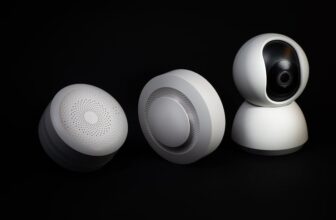
These discreet devices trigger alerts when unexpected movement or openings are detected. Door and window sensors are simple magnetic switches that notify you if a protected entry point is opened. Motion sensors, often placed in hallways or living areas, can activate lights, cameras, or alarms.
Systems like SimpliSafe and Abode offer customizable sensor kits that integrate seamlessly with their broader security ecosystems. These are especially useful in homes with multiple access points or for monitoring less-frequented areas like basements or garages.
5. Smart Lighting and Floodlights
Lighting plays a crucial role in deterring intruders. Smart bulbs and switches let you schedule lights to turn on and off automatically, simulating occupancy when you’re away. Motion-activated floodlights with built-in cameras, like the Ring Floodlight Cam, combine illumination with surveillance for enhanced outdoor security.
Pairing smart lighting with geofencing—where lights adjust based on your phone’s location—can make your home appear occupied even during extended absences. This simple tactic is one of the most cost-effective ways to improve curb-level security.
Building a Cohesive Smart Security System
A single device can offer protection, but a network of interconnected tools delivers comprehensive coverage. The key is choosing products that work together through a unified platform or ecosystem.
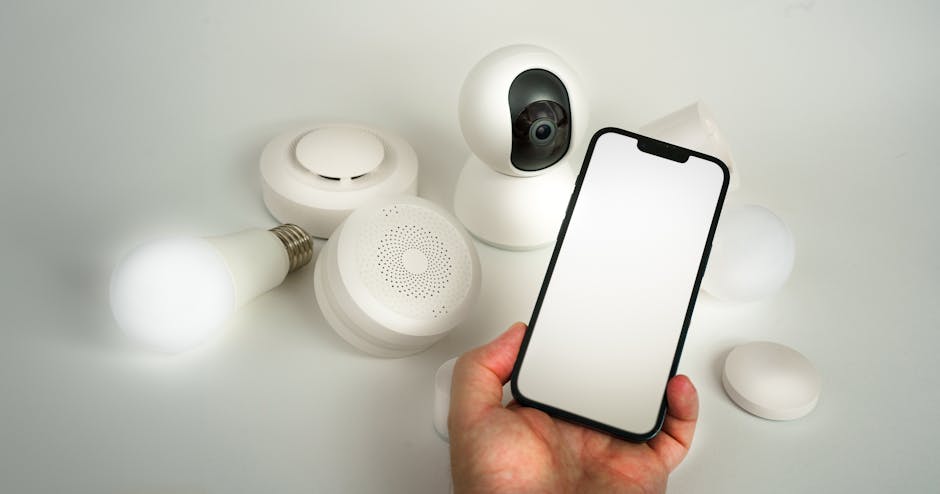
For example, a system that integrates your smart doorbell, cameras, and locks under one app—like Apple HomeKit, Samsung SmartThings, or Amazon Alexa—lets you manage everything from a single dashboard. You can set up automation rules: “When the front door unlocks after 10 PM, turn on the hallway light and send a notification.”
Start by identifying your highest-risk areas—front entry, back yard, garage—and prioritize devices that address those zones. Then expand gradually. Avoid mixing too many incompatible brands early on, as this can lead to fragmented experiences and reliability issues.
What to Consider Before Buying
Smart home security devices for safer living spaces come with trade-offs. Here are essential factors to weigh before making a purchase:
- Wi-Fi Reliability: Most devices depend on a stable internet connection. Test your signal strength at installation points and consider a mesh Wi-Fi system if coverage is weak.
- Power Source: Battery-powered devices offer flexibility but require regular maintenance. Wired options are more reliable but may need professional installation.
- Privacy and Data Security: Choose brands with strong encryption, regular firmware updates, and transparent data policies. Disable features like facial recognition if you’re concerned about surveillance.
- Subscription Costs: Many cameras and doorbells require monthly fees for cloud storage or advanced features. Compare plans carefully—some offer free tiers with limited retention.
- Professional vs. DIY Monitoring: Self-monitored systems alert you directly, while professional services dispatch emergency responders. Decide based on your comfort level and budget.
Also, check local regulations. Some cities restrict recording audio or video in certain areas, especially if your camera faces a public sidewalk or neighbor’s property.
Common Mistakes to Avoid
Even the best technology can fall short if deployed poorly. Avoid these common pitfalls:
- Overlooking Blind Spots: Cameras should cover all ground-level entries and high-traffic outdoor zones. Use wide-angle lenses or multiple units to eliminate gaps.
- Ignoring Firmware Updates: Outdated software can leave devices vulnerable to hacking. Enable automatic updates whenever possible.
- Using Default Passwords: Always change default login credentials and use strong, unique passwords for each device and app.
- Neglecting User Training: Ensure all household members know how to arm/disarm the system and respond to alerts. Confusion during an emergency can delay action.
Real-World Examples of Effective Setups
Consider a suburban family with young children and frequent guests. Their setup includes a smart doorbell at the front entrance, two outdoor cameras covering the driveway and backyard, smart locks on the front and garage doors, and motion sensors in the basement and main hallway. All devices are linked through the Google Home app, allowing voice control and automated routines—like locking all doors and turning off lights at bedtime.
In an urban apartment, a renter might opt for a battery-powered doorbell camera, a compact indoor camera with a privacy shutter, and smart plugs to control lamps remotely. Since they can’t modify the door hardware, a portable door sensor provides basic intrusion alerts without permanent installation.
These examples show that effective security doesn’t require a full-scale overhaul—just thoughtful placement and integration based on actual needs.
Future Trends in Smart Home Security
The landscape is evolving quickly. Emerging trends include AI-powered threat detection that can differentiate between a stray cat and a person loitering near your door, solar-powered cameras for off-grid reliability, and deeper integration with emergency services for faster response times.
Voice control and gesture recognition are also gaining traction, allowing hands-free interaction during emergencies. Meanwhile, privacy-focused designs—such as on-device processing instead of cloud uploads—are becoming standard among reputable brands.
As prices continue to drop and technology improves, smart home security devices for safer living spaces will become accessible to more households, not just tech enthusiasts or high-income buyers.
Final Thoughts
Investing in smart home security is about more than just preventing theft—it’s about creating a responsive, aware environment that supports your daily life. By selecting the right mix of devices, ensuring compatibility, and maintaining good digital hygiene, you can significantly enhance your home’s safety without complicating your routine.
Start small, prioritize high-impact areas, and build over time. With the right approach, your home becomes not only smarter but genuinely safer.
FAQ
Do I need a subscription to use smart security cameras?
Not always. Many cameras offer basic live viewing and motion alerts for free, but cloud recording, longer video history, and advanced features like person detection often require a paid subscription. Some brands, like Eufy, provide local storage options that avoid monthly fees entirely.
Can smart locks be hacked?
Like any connected device, smart locks can be vulnerable if not properly secured. However, reputable models use encryption, require strong passwords, and receive regular firmware updates. Avoid cheap, no-name brands and always enable two-factor authentication on your account.
Will smart security devices work during a power outage?
Most battery-powered devices continue functioning during outages, but Wi-Fi-dependent systems may go offline if your router loses power. Consider a backup internet source (like a cellular hotspot) or devices with cellular connectivity for critical alerts.