Smart Home Gadgets for Energy Efficient Living Homes
Smart home gadgets for energy efficient living homes help homeowners reduce energy consumption, lower utility bills, and minimize environmental impact. Exploring energy efficient smart home gadgets reveals important insights. From intelligent thermostats that learn your schedule to lighting systems that adjust based on occupancy, these devices automate energy-saving behaviors without sacrificing comfort. By integrating automation, real-time monitoring, and remote control, smart technology makes it easier than ever to manage home energy use effectively. This guide explores the most effective smart home gadgets, how they work, and practical tips for choosing and installing them to create a truly energy-efficient home.
Why Energy Efficiency Matters in Modern Homes
Heating, cooling, and powering household appliances account for nearly 20% of total energy use in the average home. Inefficient systems not only increase monthly bills but also contribute to higher carbon emissions. As energy costs rise and environmental awareness grows, homeowners are seeking practical ways to reduce waste. Smart home technology offers a solution by optimizing energy use through automation and data-driven insights. Unlike traditional energy-saving methods—like manually adjusting thermostats or turning off lights—smart gadgets respond dynamically to real-time conditions, making conservation effortless and consistent.
For example, a smart thermostat can detect when you’re away and lower the temperature, then warm the house just before you return. This kind of precision avoids the common pitfall of overheating or overcooling empty rooms. Over time, even small adjustments compound into significant savings. According to the U.S. Department of Energy, properly used programmable thermostats can reduce heating and cooling costs by up to 10% annually. Smart home gadgets take this concept further by adding connectivity, learning capabilities, and integration across devices.
Top Smart Home Gadgets That Reduce Energy Use
Not all smart devices are created equal when it comes to energy efficiency. The most effective ones directly impact major energy consumers: HVAC systems, lighting, and major appliances. Below are the top categories of smart home gadgets that deliver measurable energy savings.
1. Smart Thermostats
Smart thermostats are the cornerstone of energy-efficient home climate control. Devices like the Google Nest Learning Thermostat and Ecobee SmartThermostat use sensors and Wi-Fi connectivity to learn your habits and adjust temperatures accordingly. They can detect occupancy, track weather forecasts, and even integrate with utility demand-response programs to reduce usage during peak hours.
Key features include:
- Geofencing: Automatically adjusts temperature when you leave or approach home using your smartphone’s location.
- Energy usage reports: Provide weekly summaries of heating and cooling patterns with tips for improvement.
- Remote access: Control your home’s temperature from anywhere via a mobile app.
Installation typically requires a C-wire (common wire) for power, though some models offer adapters for homes without one. Professional installation is recommended for older HVAC systems to ensure compatibility and optimal performance.
2. Smart Lighting Systems
Lighting accounts for about 15% of a home’s electricity use. smart lighting systems—such as Philips Hue, LIFX, or TP-Link Kasa—allow precise control over brightness, color, and timing. These systems use LED bulbs, which are already 75% more efficient than incandescent bulbs, and add automation to eliminate wasted light.
Smart lighting can be programmed to:
- Turn off automatically when no motion is detected.
- Dim gradually at sunset to support natural sleep cycles.
- Sync with sunrise and sunset times based on your location.
Motion sensors and daylight harvesting features ensure lights are only on when needed. For example, hallway or bathroom lights can activate only when someone enters, reducing unnecessary runtime. Integration with voice assistants like Alexa or Google Assistant allows hands-free control, further encouraging mindful usage.
3. Smart Plugs and Power Strips
Many electronics continue to draw power even when turned off—a phenomenon known as “phantom load” or “vampire power.” Smart plugs and power strips cut off power to devices when they’re not in use, eliminating this hidden energy drain.
Devices like the Wemo Mini Smart Plug or TP-Link Kasa Smart Power Strip allow you to:
- Schedule outlets to turn on/off at specific times.
- Monitor energy consumption of connected devices.
- Remotely disable power to chargers, TVs, or gaming consoles.
For example, you can set a smart power strip to cut power to your entertainment center at 11 PM, ensuring devices aren’t drawing standby power overnight. Some models also include surge protection, adding safety alongside efficiency.
4. Smart Window Treatments
Heating and cooling losses through windows can account for up to 30% of a home’s energy use. Smart blinds and shades help regulate indoor temperature by adjusting based on sunlight, time of day, or outdoor conditions.
Products like the Lutron Serena Smart Shades or IKEA Fyrtur blinds can:
- Open during sunny winter days to let in passive heat.
- Close during summer afternoons to block solar gain.
- Sync with your smart thermostat to support HVAC efficiency.
Motorized shades operate quietly and can be controlled via app or voice command. While the upfront cost is higher than manual shades, the long-term energy savings and added convenience make them a worthwhile investment for energy-conscious homeowners.
5. Energy Monitoring Systems
To manage energy use, you first need to understand it. Whole-home energy monitors like the Sense Energy Monitor or Emporia Vue provide real-time data on electricity consumption by circuit or device.
These systems install directly into your electrical panel and use machine learning to identify appliances based on their electrical signatures. You can see how much energy your refrigerator, washing machine, or space heater uses and receive alerts for unusual spikes.
Benefits include:
- Detecting malfunctioning appliances that consume excess power.
- Tracking the impact of energy-saving changes over time.
- Setting budgets and receiving notifications when usage approaches limits.
While installation requires basic electrical knowledge or a licensed electrician, the insights gained can lead to targeted improvements and faster payback on other efficiency upgrades.
How to Choose the Right Smart Home Gadgets
With so many options available, selecting the right smart home gadgets for energy efficient living homes depends on your specific needs, budget, and existing infrastructure. Here’s a step-by-step approach to making informed decisions.
Step 1: Audit Your Home’s Energy Use
Start by identifying your biggest energy consumers. Exploring energy efficient smart home gadgets reveals important insights. Review past utility bills to see which months have the highest usage—this often points to heating or cooling demands. Use a plug-in energy meter (like the Kill A Watt) to measure the consumption of individual devices.
Common high-use areas include:
- HVAC systems (especially older models)
- Water heaters
- Refrigerators and freezers
- Lighting in frequently used rooms
- Entertainment systems and home offices
Focus your initial investments on gadgets that target these areas for maximum impact.
Step 2: Prioritize Compatibility and Integration
Smart home ecosystems vary in compatibility. Before buying, check whether devices work with your existing platform—such as Google Home, Amazon Alexa, Apple HomeKit, or Samsung SmartThings.
For example:
- Google Nest thermostats integrate seamlessly with Google Assistant.
- Apple HomeKit requires devices with MFi certification for full functionality.
- Zigbee or Z-Wave protocols are common in smart plugs and sensors but require a compatible hub.
Choosing devices within the same ecosystem ensures smoother automation and reduces the need for multiple apps. Look for products labeled as “Works with” your preferred voice assistant or hub.
Step 3: Consider Installation and Maintenance
Some smart gadgets are plug-and-play, while others require professional installation. Smart thermostats and energy monitors often need wiring changes, which may involve turning off power and accessing electrical panels.
Ask yourself:
- Do I have the tools and knowledge to install this myself?
- Will I need to hire an electrician or HVAC technician?
- Are there ongoing costs, such as subscription fees for cloud services?
Many manufacturers offer installation guides and customer support, but complex systems may justify professional help to avoid safety risks or voided warranties.
Step 4: Evaluate Return on Investment
Not all smart gadgets pay for themselves quickly. Calculate the potential savings based on your current energy rates and usage patterns.
For example:
- A $200 smart thermostat that saves 10% on a $200 monthly heating bill yields $240 in annual savings—paying for itself in under a year.
- Smart LED bulbs cost more upfront but last 15–25 times longer than incandescent bulbs and use 75% less energy.
- Energy monitors may take 1–2 years to pay back through informed usage changes.
Prioritize devices with the shortest payback period and highest usability. Avoid “smart” features that don’t directly contribute to energy savings, such as decorative lighting effects with no automation.
Common Mistakes to Avoid
Even the best smart home gadgets can fail to deliver energy savings if used incorrectly. Here are common pitfalls and how to avoid them.
Over-Automating Without Purpose
Just because a device can be automated doesn’t mean it should be. Setting complex rules for lights or thermostats without clear energy goals can lead to confusion and wasted effort. Start with simple, high-impact automations—like turning off lights when leaving a room—and expand gradually.
Ignoring Firmware Updates
Smart devices receive regular updates that improve performance, fix bugs, and enhance security. Neglecting these updates can leave devices vulnerable or less efficient. Enable automatic updates when possible and check manufacturer websites periodically.
Buying Without a Plan
Purchasing gadgets one at a time without a cohesive strategy can result in incompatible devices and fragmented control. Create a smart home plan that outlines your goals, preferred platforms, and phased implementation. This ensures long-term coherence and scalability.
Future Trends in Smart Energy Management
The evolution of smart home technology continues to expand energy-saving possibilities. Emerging trends include:
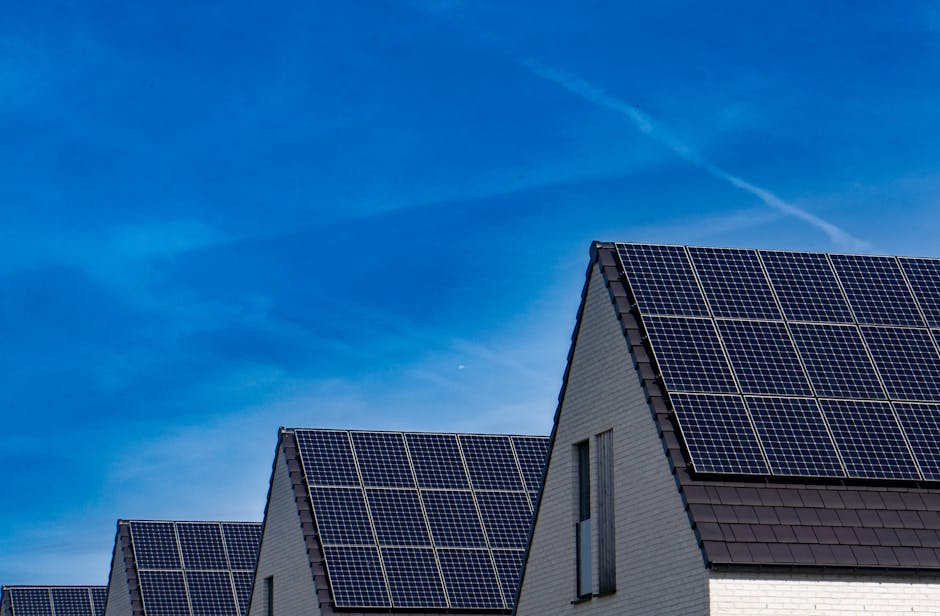
- Solar integration: Smart inverters and battery systems (like Tesla Powerwall) allow homes to store and manage solar energy more efficiently.
- AI-driven optimization: Advanced algorithms analyze usage patterns and weather data to predict and adjust energy needs automatically.
- Grid-responsive devices: Thermostats and water heaters that respond to utility signals to reduce demand during peak periods, often in exchange for rebates.
- EV charging coordination: Smart chargers that delay vehicle charging until off-peak hours or when solar production is high.
As these technologies mature, they will further blur the line between home automation and energy management, making sustainable living more accessible and affordable.
Conclusion
Smart home gadgets for energy efficient living homes offer a practical, scalable way to reduce energy consumption and lower costs. From thermostats and lighting to power strips and energy monitors, these devices automate conservation and provide valuable insights into usage patterns. By starting with high-impact upgrades, ensuring compatibility, and avoiding common mistakes, homeowners can build a smarter, greener home without sacrificing comfort. As technology advances, the integration of AI, renewable energy, and grid responsiveness will make energy efficiency even more seamless. The result is not just a lower utility bill, but a home that works intelligently for both its occupants and the planet.
FAQ
How much can I really save with smart home energy gadgets?
Savings vary by device and usage, but most homeowners see a 10–20% reduction in energy bills after installing smart thermostats, lighting, and power strips. High-use systems like HVAC offer the greatest potential for savings.
Do I need a hub to use smart home gadgets?
Not always. Many devices connect directly to Wi-Fi and work with voice assistants. However, some sensors and smart plugs use Zigbee or Z-Wave protocols and require a compatible hub for full functionality.
Are smart home gadgets safe for older homes?
Most are safe, but older electrical systems may lack a C-wire for thermostats or have outdated wiring. Consult an electrician before installing devices that require permanent wiring or panel access.