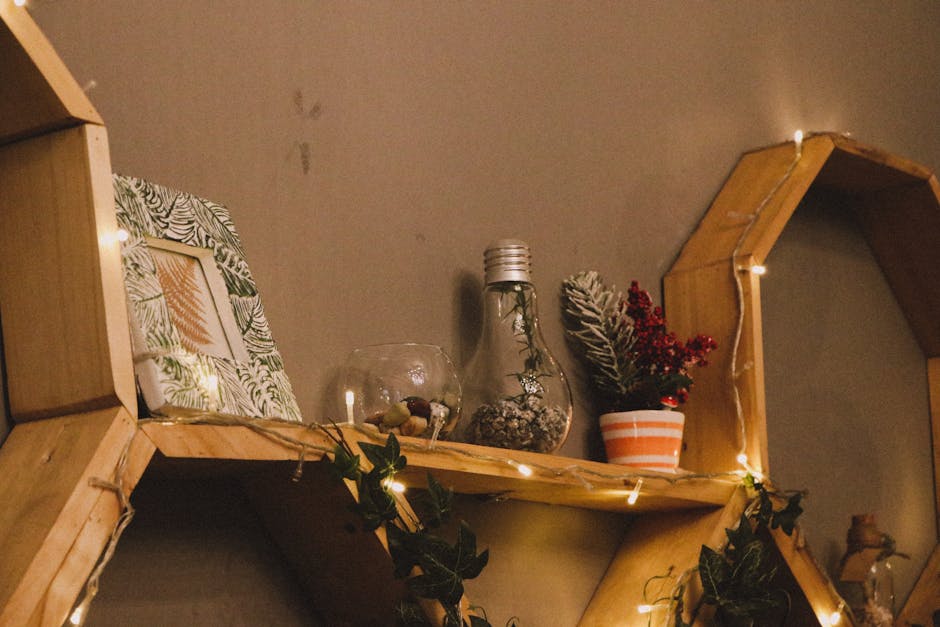
Rustic Home Decor Ideas for Warm and Cozy Interiors
Looking to create a warm, inviting space that feels grounded and timeless? Rustic home decor ideas offer a natural, lived-in charm that transforms any room into a cozy retreat. Characterized by natural materials, earthy tones, and handcrafted details, rustic design emphasizes comfort and authenticity. Whether you’re updating a cabin, a suburban home, or a city apartment, these design principles help cultivate a serene atmosphere that feels both welcoming and personal. From reclaimed wood accents to soft textiles, the key is blending texture, warmth, and simplicity to achieve interiors that feel effortlessly lived-in.
Understanding the Rustic Design Aesthetic
Rustic home decor draws inspiration from nature and traditional craftsmanship. Unlike minimalist or industrial styles, rustic interiors prioritize warmth, texture, and a sense of history. Think exposed beams, stone fireplaces, and furniture made from raw or weathered materials. The aesthetic often includes elements like distressed wood, burlap, linen, and wrought iron—materials that age gracefully and add depth to a space.
While rustic design is commonly associated with mountain cabins or countryside homes, it can be adapted to urban environments with thoughtful curation. The goal isn’t to replicate a log cabin, but to infuse everyday spaces with the same sense of comfort and connection to the natural world. This makes rustic decor highly versatile, especially for those seeking a calming contrast to modern, high-tech lifestyles.
One of the defining features of rustic interiors is their emphasis on imperfection. Scratches on a wooden table, uneven edges on a shelf, or a slightly faded rug aren’t flaws—they’re character. This acceptance of wear and patina gives rustic spaces their authentic, unpretentious feel.
Key Characteristics of Rustic Interiors
- Natural Materials: Wood, stone, leather, and cotton are staples. Reclaimed or salvaged materials are especially valued for their history and sustainability.
- Earthy Color Palette: Warm browns, deep greens, muted reds, and soft neutrals dominate. These colors reflect the outdoors and promote relaxation.
- Textured Surfaces: Layered fabrics, rough-hewn wood, and stone finishes add visual and tactile interest.
- Handcrafted Elements: Artisanal pottery, hand-thrown ceramics, and custom woodwork bring a personal touch.
- Functional Simplicity: Furniture and decor serve a purpose while maintaining a simple, uncluttered appearance.
Incorporating Rustic Elements into Different Rooms
While rustic design is often associated with living rooms and kitchens, its principles can enhance any space in the home. The key is balancing rustic elements with the room’s function and existing style to avoid overwhelming the space.
Living Room: Creating a Cozy Gathering Space
The living room is the heart of the home and an ideal place to introduce rustic decor. Start with a focal point—such as a stone or brick fireplace, or a large reclaimed wood coffee table. These anchor pieces set the tone for the rest of the room.
Layer textures with a jute or wool area rug, linen or cotton throw pillows, and a chunky knit blanket draped over the sofa. Choose furniture with clean lines but natural finishes—a leather armchair with visible stitching or a coffee table made from a repurposed barn door adds authenticity without sacrificing comfort.
Lighting plays a crucial role. Opt for fixtures made from wrought iron, antlers, or raw wood. A wrought iron chandelier or wall sconces with Edison bulbs can add warmth and a touch of vintage charm. Avoid overly polished or modern fixtures, which can clash with the rustic vibe.
For wall decor, consider framed black-and-white landscapes, vintage botanical prints, or hand-carved wooden signs. Keep artwork minimal and meaningful—too many pieces can disrupt the calm, grounded feel of the space.
Kitchen: Blending Function and Warmth
The kitchen is another natural fit for rustic design. Open shelving made from reclaimed wood allows you to display stoneware, cast iron pans, and mason jars—functional items that also serve as decor.
Choose a farmhouse-style sink, preferably in fireclay or copper, and pair it with a butcher block countertop. These materials age beautifully and add warmth underfoot and underhand. If full butcher block isn’t feasible, consider a cutting board or island top as a focal point.
Cabinets can be painted in muted tones like sage green, warm gray, or creamy white, with visible wood grain or distressed finishes. Hardware should be simple—iron bin pulls or cup handles work well.
For backsplashes, consider subway tiles in a matte finish or handmade ceramic tiles with subtle imperfections. Avoid glossy or high-contrast patterns that feel too modern.
Finally, add a small wooden dining table with bench seating. A trestle table or one made from a salvaged door creates a welcoming spot for meals and conversation.
Bedroom: A Calm, Restful Retreat
In the bedroom, rustic decor should enhance tranquility. Start with a wooden bed frame—preferably one with visible grain and natural imperfections. A headboard made from reclaimed barn wood or a simple slatted design adds character without dominating the room.
Bedding should be soft and layered. Use cotton or linen sheets in neutral tones, topped with a wool or cotton quilt. Add texture with a faux fur throw at the foot of the bed or a braided rug beside it.
Nightstands in matching wood tones keep the look cohesive. Avoid plastic or glossy finishes. For lighting, consider wooden or iron table lamps with fabric shades. A small reading nook with a leather armchair and floor lamp can complete the cozy atmosphere.
Keep wall decor minimal—perhaps a single large landscape painting or a pair of vintage mirrors in distressed frames. The goal is calm, not clutter.
Bathroom: Bringing Nature Indoors
Even bathrooms can benefit from rustic touches. Use natural stone or wood-look tiles for flooring. A freestanding wooden bathtub or a clawfoot tub with a weathered finish adds old-world charm.
Floating vanities made from reclaimed wood provide storage while maintaining an airy feel. Pair with a vessel sink in copper or stone for added texture.
Accessories matter: woven baskets for towels, wooden soap dishes, and candle holders made from antlers or driftwood enhance the theme. Keep plumbing fixtures simple—matte black or oil-rubbed bronze finishes blend well with rustic elements.
DIY Rustic Decor Projects You Can Try at Home
One of the appeals of rustic design is its accessibility. Many elements can be created or repurposed with minimal cost and effort. Here are a few simple projects to get started:
Reclaimed Wood Shelves
Salvage wood from old pallets, barns, or construction sites (ensure it’s clean and safe). Cut to size, sand lightly to smooth rough edges, and stain or seal with a natural oil. Mount on the wall using iron brackets for an instant rustic accent. These shelves are perfect for displaying books, plants, or ceramic pieces.
Mason Jar Lighting
Turn mason jars into pendant lights or sconces. Use a jar with a threaded lid and a light kit designed for jars. Screw in an Edison-style bulb for a warm, vintage glow. Hang above a kitchen island or along a hallway for ambient lighting.
Distressed Picture Frames
Take plain wooden frames and distress them with sandpaper, especially along the edges and corners. Apply a dark stain or paint, then wipe away excess to reveal the wood beneath. This technique gives new frames an antique look that fits perfectly with rustic decor.
Woven Wall Hanging
Use a wooden dowel and natural fibers like jute, cotton rope, or wool yarn to create a simple wall hanging. Knot, braid, or fringe the materials for texture. This adds a handmade touch to any room and complements other rustic elements.
Common Mistakes to Avoid with Rustic Decor
While rustic design is forgiving, certain missteps can make a space feel cluttered or inauthentic. Here are a few pitfalls to watch for:
Overdoing the Theme
It’s easy to go overboard with antlers, burlap, and distressed wood. But too many rustic elements can make a room feel kitschy rather than cozy. Stick to a few key pieces and let them shine. For example, one statement wall with reclaimed wood is more effective than covering every surface.
Ignoring Proportion and Scale
Rustic furniture often has a substantial presence. A large wooden dining table in a small apartment can overwhelm the space. Choose pieces that fit the room’s dimensions. In compact areas, opt for slim-profile furniture or multi-functional pieces like storage ottomans.
Neglecting Lighting
Dim lighting can make even the coziest room feel cave-like. Balance warm, low-light fixtures with brighter overhead or task lighting. Use layered lighting—ambient, task, and accent—to create depth and functionality.
Using Synthetic Materials
True rustic design relies on natural, breathable materials. Avoid plastic imitations of wood or stone, which can look cheap and detract from the authentic feel. If budget is a concern, look for secondhand or upcycled items instead.
Sustainable and Budget-Friendly Tips
Rustic decor aligns well with sustainable living. Many of its core materials—reclaimed wood, natural fibers, and handcrafted items—are eco-friendly and long-lasting. Here’s how to embrace the style without overspending:
- Shop Secondhand: Thrift stores, flea markets, and online marketplaces often have unique wooden furniture, mirrors, and decor at a fraction of retail prices.
- Repurpose What You Have: Sand and refinish an old dresser, or turn a wooden ladder into a blanket rack. A little creativity can transform existing items.
- DIY When Possible: Simple projects like painting furniture or building a shelf can save money and add personal flair.
- Choose Quality Over Quantity: Invest in a few well-made pieces that will last, rather than filling the space with inexpensive, short-lived items.
By focusing on craftsmanship and longevity, rustic decor becomes not just a style choice, but a sustainable lifestyle decision.
Final Thoughts: Making Rustic Decor Your Own
Rustic home decor isn’t about replicating a specific look—it’s about creating a space that feels warm, personal, and connected to nature. Whether you live in a rural cottage or a city loft, the principles of texture, natural materials, and simplicity can be adapted to suit your lifestyle.
Start small. Add a woven rug, hang a reclaimed wood shelf, or swap out synthetic textiles for cotton and linen. Over time, these changes will accumulate into a cohesive, inviting interior that reflects your taste and values.
Remember, the best rustic spaces feel lived-in, not staged. Embrace imperfections, celebrate handmade details, and let your home evolve naturally. With thoughtful choices and a focus on comfort, you can create a warm and cozy interior that truly feels like home.
FAQ
What’s the difference between rustic and farmhouse decor?
While both styles use natural materials and emphasize comfort, rustic decor focuses more on rugged, weathered elements like exposed wood and stone. Farmhouse style is lighter, often incorporating white paint, shiplap, and vintage kitchenware for a cleaner, more refined look.
Can rustic decor work in a modern home?
Absolutely. Rustic elements like a reclaimed wood coffee table or a stone accent wall can add warmth and contrast to a modern space. The key is balance—pair rustic pieces with clean lines and neutral colors to avoid visual clutter.
How do I prevent my rustic decor from looking cluttered?
Stick to a cohesive color palette, limit the number of decorative items, and prioritize open space. Use storage solutions like baskets or wooden crates to keep surfaces tidy while maintaining the rustic aesthetic.