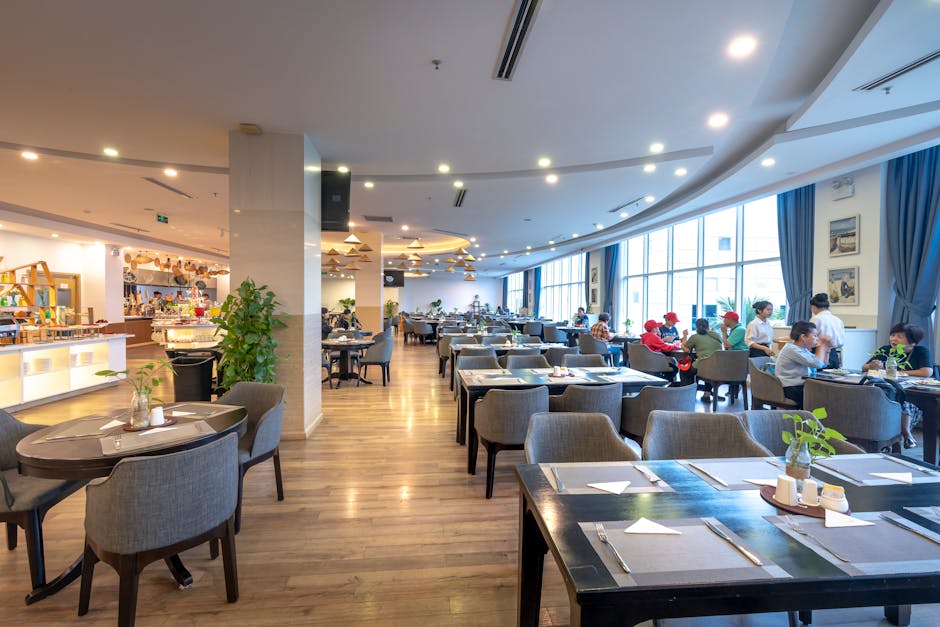
Home Decor Ideas for Modern Kitchen and Dining Areas
Creating a cohesive and stylish modern kitchen and dining space doesn’t require a full renovation. Exploring modern kitchen dining decor reveals important insights. With thoughtful design choices, you can transform these essential areas into functional, inviting hubs that reflect contemporary aesthetics. Whether you’re working with a small apartment or a spacious open-plan layout, these home decor ideas for modern kitchen and dining areas focus on clean lines, smart storage, and intentional styling. From material selection to lighting and layout, every detail contributes to a harmonious environment where cooking, dining, and socializing feel effortless.
Define Your Modern Aesthetic
Modern design emphasizes simplicity, functionality, and minimalism. Start by identifying the core elements of your preferred style—whether it’s Scandinavian-inspired light woods, industrial metal accents, or sleek monochromatic schemes. A consistent color palette of neutrals like white, gray, or beige forms the foundation, while strategic pops of color or texture add personality without clutter.
For example, a kitchen with matte black cabinetry, quartz countertops, and stainless steel appliances embodies a bold modern look. In contrast, warm oak finishes, open shelving, and soft textiles create a more approachable, livable version of modern design. The key is balance: avoid overcrowding surfaces and prioritize open sightlines to maintain visual calm.
Choose Materials That Stand the Test of Time
Durability and appearance go hand in hand in modern spaces. Opt for materials that are both stylish and practical:
- Countertops: Quartz offers a non-porous, low-maintenance surface ideal for busy kitchens. It resists stains and scratches better than natural stone.
- Cabinets: Flat-panel or shaker-style cabinets in lacquered finishes or wood veneers provide a clean look. Avoid ornate details that clash with modern minimalism.
- Flooring: Large-format porcelain tiles or engineered hardwood in neutral tones unify the kitchen and dining areas, especially in open layouts.
When selecting materials, consider how they’ll age. A high-gloss finish may show fingerprints easily, while matte surfaces offer more forgiving daily use.
Optimize Layout for Flow and Function
The layout of your kitchen and dining area directly impacts usability. In modern homes, the trend leans toward open-plan designs that encourage interaction. If space allows, integrate the kitchen and dining area with a central island or peninsula that doubles as a breakfast bar or prep station.
For smaller spaces, a galley or L-shaped kitchen with a compact dining nook maximizes efficiency. Use furniture with clean lines—such as a round pedestal table or backless stools—to maintain openness. Avoid bulky pieces that disrupt movement.
Always allow at least 36 inches of clearance between countertops and dining furniture for comfortable passage. This ensures the space feels functional, not cramped.
Smart Storage Solutions
Clutter is the enemy of modern design. Invest in built-in storage that keeps essentials accessible but out of sight. Pull-out pantry units, deep drawers with dividers, and corner carousel shelves make the most of every inch.
In the dining area, consider a buffet or sideboard with soft-close drawers for linens and flatware. Floating shelves above the dining table can display curated items like ceramics or cookbooks, but limit decor to three to five pieces to preserve minimalism.
Hidden charging stations or appliance garages help maintain clean countertops. For instance, a lift-up cabinet near the coffee machine keeps the unit stowed when not in use.
Lighting That Enhances Mood and Task
Layered lighting is essential in modern kitchen and dining spaces. Combine ambient, task, and accent lighting to create a dynamic environment.
- Ambient lighting: Recessed ceiling lights or a central pendant provide overall illumination.
- Task lighting: Under-cabinet LED strips brighten countertops for food prep and cooking.
- Accent lighting: Pendant lights over an island or dining table add focal points and warmth.
Choose fixtures with geometric shapes or matte black finishes to reinforce the modern theme. Dimmable options allow you to adjust brightness for different times of day—bright for cooking, soft for dinner parties.
For dining areas, hang pendants 30 to 36 inches above the table surface. This ensures adequate light without obstructing views across the table.
Furniture That Balances Style and Comfort
Modern dining furniture should be sleek yet inviting. Look for chairs with slim profiles and supportive backs—materials like molded plastic, metal, or upholstered fabric work well. Mixing materials, such as a wooden table with metal legs and fabric chairs, adds visual interest without chaos.
An extendable dining table is ideal for flexible seating. Choose one that seats four comfortably but expands to accommodate six when needed. For compact spaces, a wall-mounted drop-leaf table saves floor area when not in use.
Comfort matters. Test chairs for seat depth and back support before purchasing. A chair that looks great but feels stiff after 20 minutes will discourage lingering over meals.
Seating Arrangements That Work
Arrange seating to encourage conversation. In rectangular rooms, place the table parallel to the longest wall. In square spaces, a round or oval table fits better and improves traffic flow.
Allow at least 24 inches of space per person at the table. Exploring modern kitchen dining decor reveals important insights. If using benches, ensure they slide fully under the table to save space. Bench seating also creates a more casual, modern vibe compared to individual chairs.
Decor Touches That Elevate the Space
Modern decor thrives on restraint. Select a few high-impact pieces rather than filling every surface. A large piece of abstract art above the dining table, a single sculptural vase, or a set of matching ceramic canisters on the counter add character without clutter.
Plants bring life to modern interiors. Snake plants, pothos, or small succulents thrive in kitchen environments with indirect light. Avoid overwatering near electronics or wooden surfaces.
Textiles should be minimal but meaningful. A simple runner on the dining table or a set of linen napkins in a complementary color add softness. Choose machine-washable fabrics for practicality.
Color and Pattern Guidelines
Stick to a restrained color scheme. Use one or two accent colors—like deep green, navy, or terracotta—sparingly in decor items. Geometric patterns on rugs or curtains can add rhythm, but keep them subtle. A bold pattern on a single chair cushion is more effective than multiple competing designs.
Remember: in modern design, less is more. If a new item doesn’t serve a purpose or enhance the aesthetic, reconsider adding it.
Technology Integration Without Clutter
Modern kitchens often include smart appliances, but their design should blend seamlessly. Choose models with panel-ready fronts that match cabinetry for a unified look. Built-in coffee makers, wine coolers, or under-counter refrigerators maintain clean lines.
Wireless charging pads embedded in countertops or tables reduce cable clutter. Voice-controlled lighting or smart faucets add convenience without sacrificing style.
Hide power strips and cables behind cabinetry or use cord management systems. Visible wires disrupt the minimalist aesthetic.
Common Mistakes to Avoid
Even with the best intentions, design missteps can undermine your efforts. Avoid these common pitfalls:
- Over-accessorizing: Too many decorative items make the space feel busy. Stick to a curated selection.
- Inconsistent materials: Mixing too many finishes (e.g., brass, chrome, and matte black) creates visual noise. Limit to two primary finishes.
- Poor lighting balance: Relying solely on overhead lights creates harsh shadows. Always layer lighting.
- Ignoring scale: A large chandelier in a small dining nook overwhelms the space. Match fixture size to room dimensions.
Also, don’t sacrifice function for form. A beautiful but impractical layout will frustrate daily use. Always prioritize workflow in the kitchen—commonly known as the “work triangle” between sink, stove, and refrigerator.
Small Space Solutions
Modern design principles shine in compact areas. Use vertical space with tall cabinets or shelving. Mirrored backsplashes or glass cabinet doors create the illusion of depth.
Choose multi-functional furniture: a dining table with built-in storage, or stools that tuck under the counter. Light-colored walls and reflective surfaces enhance brightness, making small spaces feel larger.
In studio apartments, define zones with area rugs or different flooring materials. A rug under the dining table anchors the space visually without walls.
Final Thoughts on Modern Kitchen and Dining Decor
Transforming your kitchen and dining area into a modern retreat is about more than trends—it’s about creating a space that supports your lifestyle. By focusing on clean design, smart functionality, and intentional decor, you can achieve a look that feels both contemporary and timeless. The best home decor ideas for modern kitchen and dining areas prioritize harmony, usability, and personal expression, ensuring your space remains inviting for years to come.
FAQ
What are the key features of a modern kitchen design?
Modern kitchens emphasize clean lines, minimal ornamentation, neutral color palettes, and integrated appliances. Key features include flat-panel cabinets, quartz or solid surface countertops, recessed lighting, and open shelving or concealed storage.
How can I make my small kitchen and dining area feel larger?
Use light colors on walls and cabinets, install reflective surfaces like glass or mirrors, choose compact furniture with slim profiles, and ensure adequate lighting. Avoid dark finishes and heavy window treatments that shrink the space visually.
Should the kitchen and dining area have matching decor?
Not necessarily. While cohesion is important, the spaces can have distinct personalities. Use a shared color palette or material (like wood or metal) to tie them together, but allow each area to reflect its function—utilitarian in the kitchen, more relaxed in the dining zone.