Home Decor Trends 2026 for Stylish Interior Design
Home decor trends for 2026 blend sustainability, technology, and personal expression to create interiors that are both stylish and functional. From earth-inspired palettes to smart furniture, this year’s design movements prioritize comfort, eco-conscious choices, and adaptable spaces. Whether you’re refreshing a single room or reimagining your entire home, understanding these emerging trends will help you make informed, forward-thinking decisions. This guide covers the most impactful home decor trends 2026 has to offer, with practical examples and actionable tips to elevate your interior design.
Earthy Neutrals and Nature-Inspired Color Palettes
In 2026, interior color schemes are shifting toward grounded, nature-derived tones. Think warm terracottas, soft olive greens, and deep clay browns—colors that evoke the outdoors and promote a sense of calm. These hues replace the cooler grays and stark whites that dominated previous years, offering a more inviting and organic feel.
Designers are pairing these earthy neutrals with textured materials like raw linen, unpolished stone, and reclaimed wood to enhance the tactile experience of a space. For example, a living room with terracotta walls, a jute rug, and a walnut coffee table creates a cohesive, nature-infused atmosphere. This trend isn’t just about aesthetics—it supports biophilic design, which links indoor environments to natural elements to improve well-being.
To incorporate this trend, start with one accent wall in a warm neutral, then layer in complementary textures through throw pillows, curtains, and artwork. Avoid over-saturating the space; balance bold earth tones with lighter shades like sand or cream to maintain visual breathing room.
Multifunctional and Modular Furniture
As homes become more versatile—serving as offices, gyms, and entertainment spaces—furniture must adapt. In 2026, modular and multifunctional pieces are leading the way. Sofas that convert into beds, coffee tables with hidden storage, and wall-mounted desks that fold away are becoming standard in modern interiors.
Brands like Resource Furniture and Ori Systems are pioneering transformable designs that maximize small spaces without sacrificing style. A modular sectional, for instance, can be rearranged for different room layouts or guest needs, making it ideal for urban apartments or growing families.
When selecting multifunctional furniture, prioritize quality mechanisms and durable materials. Look for pieces with smooth hinges, sturdy frames, and easy-to-clean surfaces. Avoid overly complex designs that may break down over time. A simple ottoman with internal storage often provides more reliable utility than a high-tech convertible sofa with multiple moving parts.
Sustainable Materials and Circular Design
Sustainability is no longer optional in interior design—it’s expected. Home decor trends 2026 emphasize circular design principles: using recycled, upcycled, or biodegradable materials and designing for longevity and reuse.
Bamboo, cork, and recycled glass are gaining popularity for flooring, countertops, and decorative accents. Furniture made from reclaimed wood not only reduces deforestation but also adds character through its unique grain and history. Brands like Sabai and Burrow now offer sofas with replaceable parts, allowing owners to update fabric or cushions without replacing the entire piece.
Consumers are also embracing secondhand and vintage finds. Thrifted furniture, when refurbished with non-toxic paint or new upholstery, can become a statement piece. Online platforms like Chairish and Facebook Marketplace make it easier than ever to source unique, eco-friendly items.
To adopt this trend, audit your current furnishings and identify items that can be repaired or repurposed. When buying new, choose brands with transparent supply chains and take-back programs. Avoid fast furniture—cheap, disposable pieces that end up in landfills within a few years.
Smart Home Integration with Aesthetic Harmony
Technology is becoming seamlessly embedded into home decor. In 2026, smart devices are designed to blend into interiors rather than dominate them. Think voice-controlled lighting hidden behind minimalist fixtures, motorized blinds that disappear into trim, or wireless charging stations built into side tables.
The key is integration without intrusion. For example, Philips Hue lights can be installed under cabinets or along baseboards to provide ambient illumination without visible bulbs. Similarly, smart thermostats like the Nest Learning Thermostat now come in finishes that match common wall colors and hardware.
When incorporating smart tech, plan your layout early. Run wiring during renovations if possible, and choose devices with neutral designs that won’t clash with your decor. Avoid cluttering surfaces with multiple gadgets; instead, use centralized hubs or voice assistants to control systems discreetly.
One caution: prioritize privacy and security. Choose devices with strong encryption and regular software updates. Disable unnecessary data collection features to protect your household’s digital footprint.
Textural Layering for Depth and Warmth
Flat, minimalist surfaces are giving way to rich, layered textures in 2026. Designers are combining materials like bouclé, velvet, wool, and rattan to create visual interest and sensory comfort. This approach adds depth to rooms, making them feel cozier and more dynamic.
In a bedroom, for instance, layer a wool throw over a linen duvet, add a shag rug, and include a rattan headboard. The mix of soft, rough, and smooth textures invites touch and creates a lived-in elegance. In living areas, textured wall treatments—such as limewash paint or grasscloth wallpaper—can elevate plain walls without overwhelming the space.
To layer textures effectively, stick to a consistent color palette. Varying textures in similar tones (e.g., beige linen, cream wool, and taupe jute) create harmony. Limit bold patterns to one or two statement pieces, like a patterned rug or accent chair, to avoid visual chaos.
Start small: swap out smooth throw pillows for ones with ribbed or knitted covers. Replace a flat lampshade with one made of woven seagrass. These subtle changes can transform a room’s feel without a major overhaul.
Curved Forms and Soft Geometry
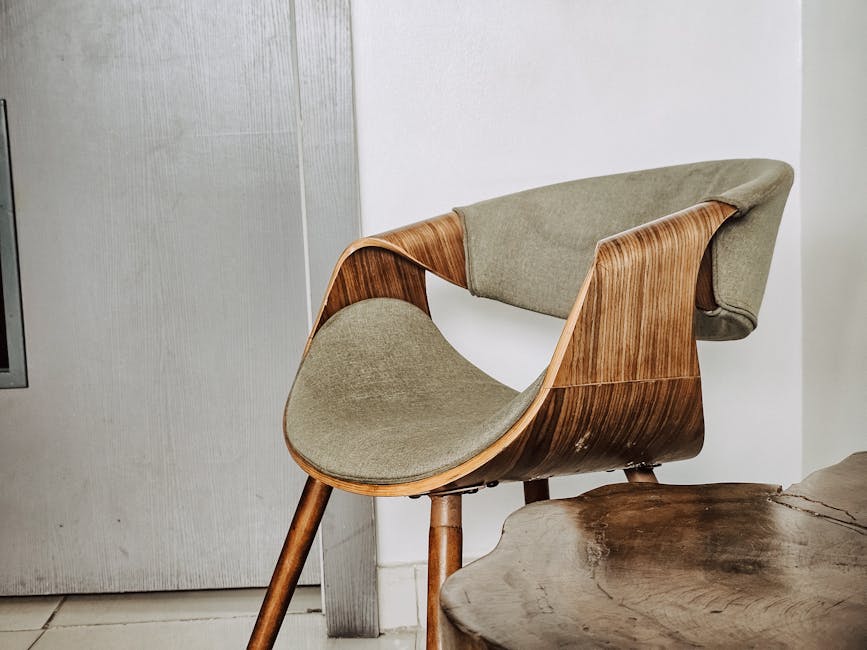
Sharp angles and rigid lines are softening in 2026. Furniture and architectural details are embracing curves—rounded sofas, oval mirrors, arched doorways, and circular light fixtures. This shift reflects a broader cultural move toward comfort, fluidity, and emotional well-being in design.
Curved furniture not only looks inviting but also improves traffic flow in tight spaces. A rounded coffee table, for example, reduces the risk of bumps and creates a more open feel. In kitchens, curved islands and rounded cabinet edges are becoming popular for both safety and style.
Architectural elements like curved walls or rounded niches add drama without requiring major construction. Even paint can mimic curves—using soft gradients or ombre effects to suggest movement and depth.
When introducing curves, balance them with some straight lines to maintain structure. A fully curved room can feel disorienting. Pair a curved sofa with a rectangular rug and angular artwork for contrast. This interplay keeps the space visually engaging.
Personalized Spaces and Expressive Decor
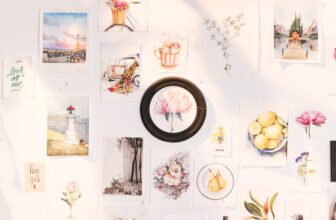
Home decor in 2026 is increasingly personal. Instead of following rigid style rules, homeowners are curating spaces that reflect their identities, hobbies, and memories. Gallery walls featuring family photos, travel souvenirs, and handmade art are replacing generic prints.
This trend encourages authenticity over perfection. A bookshelf filled with well-loved novels, a kitchen wall decorated with vintage spice tins, or a hallway lined with children’s artwork all contribute to a home that feels truly lived-in.
Customization extends to furniture and finishes. Many brands now offer made-to-order options, allowing customers to choose fabric, color, and dimensions. This not only supports individual taste but also reduces waste by producing only what’s needed.
To personalize your space, start with one room. Identify items that hold meaning—a quilt from a grandparent, a sculpture from a local artist, or a map from a favorite trip. Display them prominently. Avoid overcrowding; let each piece breathe so it can be appreciated.
Lighting as Decorative Art
In 2026, lighting is no longer just functional—it’s a centerpiece. Statement fixtures like oversized pendants, sculptural chandeliers, and artistic floor lamps are used to define zones and add personality.
Designers are favoring handmade and artisan lighting, such as blown glass pendants or ceramic table lamps, which bring uniqueness and craftsmanship into homes. These pieces often serve as conversation starters and anchor a room’s design.
Layered lighting remains essential: combine ambient (overhead), task (reading lamps), and accent (wall sconces or picture lights) sources. Use dimmers to adjust mood and energy levels throughout the day.
When choosing a statement light, consider scale and proportion. A large fixture in a small room can overwhelm, while a tiny lamp in a spacious area may look lost. Hang pendants at the right height—typically 30–36 inches above a table or 72 inches from the floor in a dining area.
Indoor-Outdoor Flow and Biophilic Elements
Blurring the line between indoors and outdoors is a major theme in 2026. Large sliding glass doors, indoor gardens, and outdoor-style materials used inside (like stone floors or weather-resistant fabrics) create a seamless transition.
Indoor plants remain popular, but the focus has shifted to low-maintenance, air-purifying varieties like snake plants, pothos, and ZZ plants. Vertical gardens and living walls are being installed in kitchens and bathrooms to maximize greenery in compact spaces.
Natural light is maximized through skylights, larger windows, and lighter window treatments. Sheer curtains or motorized blinds allow flexibility in controlling sunlight without blocking views.
To enhance indoor-outdoor flow, use consistent flooring materials across thresholds. Extend patio tiles into a sunroom or use the same wood tone on both the deck and interior floors. This visual continuity strengthens the connection between spaces.
How to Implement These Trends in Your Home
You don’t need a full renovation to embrace home decor trends 2026. Start with small, impactful changes:
- Refresh your palette: Paint one wall in a warm earth tone or swap out cool-toned accessories for warmer alternatives.
- Upgrade lighting: Replace a basic ceiling fixture with a sculptural pendant or add a floor lamp with a textured shade.
- Incorporate texture: Add a wool throw, a rattan basket, or a grasscloth wallpaper accent.
- Choose sustainable pieces: Buy secondhand or support brands with eco-friendly practices.
- Personalize: Display meaningful objects and rotate decor seasonally to keep your space feeling fresh.
Focus on one room at a time to avoid overwhelm. Set a budget and prioritize updates that will have the most visual and functional impact. Remember, trends should inspire—not dictate—your design choices.
Final Thoughts on 2026 Interior Design
The home decor trends of 2026 reflect a deeper shift toward mindful, adaptable, and expressive living. Sustainability, comfort, and personalization are at the core of stylish interior design this year. By integrating earthy colors, multifunctional furniture, smart technology, and textural layers, you can create a home that is both on-trend and timeless.
Whether you’re drawn to curved forms, biophilic elements, or artisan lighting, the key is balance. Let trends guide you, but let your lifestyle and preferences lead. A truly stylish home isn’t about following every fad—it’s about creating a space that feels authentic, functional, and uniquely yours.
FAQ
What are the biggest home decor trends for 2026?
The top trends include earthy color palettes, modular furniture, sustainable materials, smart home integration, textural layering, and personalized decor. These elements combine to create stylish, functional, and eco-conscious interiors.
How can I make my home feel more sustainable without a full renovation?
Start by choosing secondhand or upcycled furniture, using non-toxic paints, and incorporating natural materials like bamboo or cork. Swap out disposable decor for durable, repairable pieces and support brands with circular design practices.
Are curved furniture pieces practical for small spaces?
Yes, curved furniture can enhance small spaces by improving flow and reducing sharp corners. Look for compact, rounded designs like armless chairs or oval coffee tables that maximize function without sacrificing style.