Luxury Home Decor Ideas for Elegant Home Interiors
Transforming your living space into a refined sanctuary starts with thoughtful luxury home decor ideas that balance sophistication, comfort, and timeless appeal. Whether you’re redesigning a single room or reimagining your entire home, elegant home interiors begin with intentional choices—quality materials, cohesive color palettes, and statement pieces that reflect your personal style. This guide offers practical, achievable strategies to elevate your space without relying on trends that fade. From selecting the right lighting to choosing furniture with enduring craftsmanship, these luxury home decor ideas will help you create interiors that feel both opulent and inviting.
Start with a Cohesive Design Vision
Before purchasing a single item, define the overall mood you want your home to convey. Elegant interiors thrive on consistency. A clear design vision prevents mismatched elements and ensures every piece contributes to a unified aesthetic. Begin by identifying your preferred style—whether it’s modern minimalist, classic European, or contemporary transitional—and gather inspiration from reputable sources like interior design magazines, curated showrooms, or trusted online portfolios.
Create a mood board using digital tools like Pinterest or Canva, or go analog with fabric swatches, paint chips, and printed images. Include textures, finishes, and room layouts that resonate with your vision. This visual reference will guide your decisions and help maintain focus as you shop and arrange.
One common mistake is prioritizing individual items over the overall composition. A stunning chandelier loses impact if it clashes with the room’s scale or lighting plan. Always consider how each element interacts with the space—its proportions, placement, and relationship to other furnishings.
Invest in High-Quality Materials and Finishes
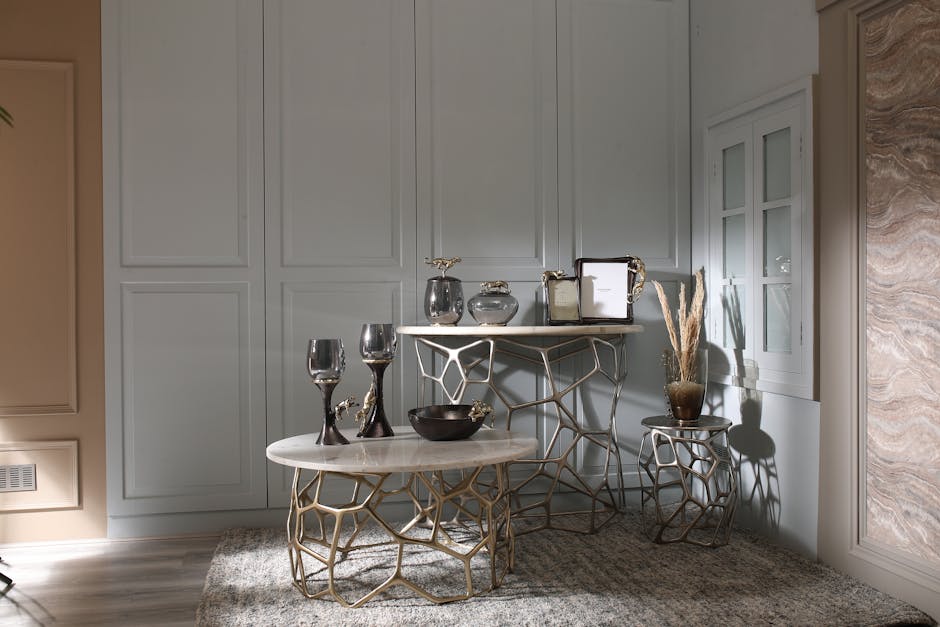
True luxury is often felt, not just seen. The tactile quality of materials plays a significant role in creating elegant home interiors. Opt for natural, durable materials such as solid hardwood, genuine leather, marble, brass, and high-thread-count linen. These not only age beautifully but also convey a sense of permanence and refinement.
For example, a dining table crafted from reclaimed walnut with a hand-rubbed oil finish will develop a rich patina over time, while a laminate alternative may look dated within a few years. Similarly, wool or silk area rugs add depth and softness underfoot, enhancing both comfort and visual warmth.
When selecting finishes, consistency is key. Matching hardware—such as cabinet pulls, door handles, and light switches—across rooms creates a seamless flow. Choose finishes like brushed gold, matte black, or polished nickel based on your color scheme and style. Avoid mixing more than two metallic finishes in a single space to maintain visual harmony.
Recommended Materials by Room
| Room | Recommended Materials | Why They Work |
|---|---|---|
| Living Room | Velvet upholstery, marble coffee tables, hardwood flooring | Adds texture and visual weight; durable and luxurious to the touch |
| Kitchen | Quartz or granite countertops, custom cabinetry, brass fixtures | Resists wear, easy to clean, and elevates everyday functionality |
| Bedroom | Linen bedding, wool rugs, solid wood bed frames | Promotes comfort and tranquility; ages gracefully |
| Bathroom | Natural stone tiles, frameless glass, heated flooring | Creates a spa-like atmosphere; increases long-term value |
Use Lighting to Define Ambiance
Lighting is one of the most powerful tools in luxury home decor. It shapes how a room feels at different times of day and can highlight architectural features or artwork. A well-designed lighting plan includes three layers: ambient, task, and accent lighting.
Ambient lighting provides overall illumination—think recessed ceiling lights or a central chandelier. Task lighting supports specific activities, such as reading lamps beside a sofa or under-cabinet lights in the kitchen. Accent lighting draws attention to focal points like a painting, sculpture, or textured wall.
For elegant home interiors, avoid harsh fluorescent bulbs. Instead, use warm-white LED lights (2700K–3000K) that mimic natural daylight and flatter skin tones and fabrics. Dimmers are essential—they allow you to adjust the mood from bright and functional to soft and intimate.
Statement fixtures can serve as art pieces. A crystal chandelier in a dining room or a sculptural floor lamp in a reading nook adds drama without clutter. Just ensure the size is proportional to the space—too large overwhelms, too small disappears.
Choose Furniture with Purpose and Proportion
Furniture sets the foundation of any room. In luxury home decor, less is often more. Select fewer pieces of higher quality rather than filling a space with mediocre items. Each piece should have a clear function and contribute to the room’s balance.
Pay attention to scale and proportion. A large sectional may dominate a small living room, while a petite sofa can get lost in a grand space. Use the “one-third rule” as a guideline: furniture should occupy about one-third of the floor area to maintain openness.
Upholstered pieces benefit from tailored details—tight pleats, rolled arms, or hand-tufted backs. These elements signal craftsmanship and elevate the overall look. Similarly, dining chairs with solid wood frames and ergonomic support offer both beauty and comfort for long meals.
Avoid buying furniture solely based on price or trend. Instead, assess longevity, comfort, and how it fits within your existing palette. A timeless Chesterfield sofa in charcoal gray, for instance, will remain stylish for decades, while a bold patterned accent chair may need replacing in a few years.
Incorporate Art and Personal Touches
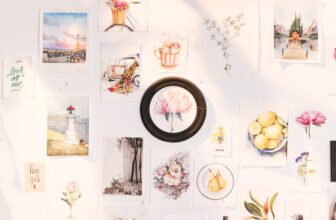
Artwork and personal collections add soul to elegant home interiors. They tell your story and make a space feel lived-in and authentic. You don’t need a gallery wall of expensive paintings—start with one or two meaningful pieces and build gradually.
Consider original works from local artists, limited-edition prints, or family heirlooms framed in high-quality materials. Matting and framing matter: a well-chosen frame can elevate even a simple photograph. Use UV-protective glass to preserve colors over time.
Personal touches extend beyond art. Display books with beautiful covers, travel souvenirs in curated arrangements, or vintage objects that spark conversation. The key is intentionality—each item should have a reason for being there, not just fill empty space.
Be cautious with symmetry. While balanced arrangements feel orderly, overly perfect layouts can appear stiff. Mix sizes, orientations, and textures for a more dynamic, inviting feel.
Embrace Neutral Palettes with Strategic Accents
Neutral color schemes form the backbone of most luxury home decor ideas. Shades like ivory, warm gray, taupe, and soft black create a calm, sophisticated backdrop that allows textures and materials to shine. They also provide flexibility—accent colors can be changed seasonally without repainting walls.
However, not all neutrals are created equal. Cool grays can feel sterile if not balanced with warmth. Opt for undertones that complement your lighting and furnishings. For example, a greige (gray-beige) with warm undertones works well in rooms with natural light, while a cool gray suits spaces with ample artificial lighting.
Introduce color through accessories: throw pillows, artwork, vases, or a single bold rug. Deep emerald, navy, or burgundy can add richness without overwhelming the space. Use the 60-30-10 rule as a guide: 60% dominant color, 30% secondary, and 10% accent.
Avoid painting every wall the same color. Consider an accent wall with textured plaster, wallpaper, or a deeper tone to add dimension. In a bedroom, a wall behind the bed in a soft charcoal can create a cozy, enveloping effect.
Maximize Storage with Style
Clutter is the enemy of elegance. Even the most beautiful furnishings lose impact when surrounded by disorganization. Integrate storage solutions that are both functional and visually pleasing.
Built-in cabinetry with concealed handles offers a streamlined look. Use interior organizers—drawer dividers, shelf baskets, and pull-out trays—to keep items accessible but out of sight. In living areas, choose ottomans with hidden compartments or consoles with closed shelving.
In bedrooms, invest in a high-quality wardrobe or armoire that matches your decor. Avoid freestanding plastic bins—opt for woven baskets or lacquered boxes that complement your palette.
For small spaces, vertical storage is essential. Floor-to-ceiling bookshelves or tall cabinets make use of underutilized areas. Just ensure they’re not overfilled—leave breathing room between items to maintain a sense of calm.
Don’t Overlook the Details
The difference between good and great interiors often lies in the details. Small touches can have a big impact. Consider upgrading everyday items to premium versions: soft cotton towels, scented candles in elegant vessels, or a brass letter opener on the desk.
Window treatments are another often-overlooked element. Floor-length curtains in heavy fabric (like velvet or linen) add drama and insulation. Hang rods close to the ceiling and let curtains pool slightly at the bottom for a custom, luxurious look.
Hardware on doors, cabinets, and drawers should feel substantial and match in finish. Replace plastic or dated knobs with solid brass or ceramic options. Even electrical outlet covers can be upgraded to sleek, color-matched versions.
Finally, maintain your space. Dust regularly, rotate decor seasonally, and repair or replace worn items promptly. Elegance is not just about appearance—it’s about care and attention over time.
Common Pitfalls to Avoid
- Over-accessorizing: Too many decorative items create visual noise. Stick to a few meaningful pieces per surface.
- Ignoring scale: A large mirror in a tiny bathroom can make the space feel cramped. Always measure before buying.
- Chasing trends: While it’s fine to incorporate a few current elements, base your foundation on timeless principles.
- Poor lighting planning: Relying on a single overhead light creates flat, unflattering illumination. Layer your lighting sources.
- Neglecting maintenance: Luxury materials require care. Follow manufacturer guidelines for cleaning and upkeep.
Final Thoughts on Luxury Home Decor
Achieving elegant home interiors doesn’t require a massive budget—just thoughtful planning and a commitment to quality. The best luxury home decor ideas prioritize comfort, functionality, and personal expression over flashy displays. By focusing on cohesive design, premium materials, and intentional details, you can create a home that feels both refined and genuinely yours.
Start small if needed. Refresh one room at a time, or begin with high-impact changes like lighting or window treatments. Over time, your space will evolve into a harmonious reflection of your taste and lifestyle.
FAQ
What are the most cost-effective ways to add luxury to my home?
Focus on high-impact, low-cost upgrades: update lighting fixtures, add quality textiles like throw pillows and blankets, and use mirrors to reflect light and create depth. Repainting walls in a neutral tone can also dramatically refresh a space.
How do I choose furniture that will last for years?
Prioritize solid wood frames, high-density foam cushions, and durable fabrics like performance velvet or Crypton. Avoid particleboard and low-resilience foams. Test comfort in person and read reviews from long-term users.
Can luxury decor work in small spaces?
Absolutely. Use light colors, multifunctional furniture, and vertical storage to maximize space. Mirrors and strategic lighting can make rooms feel larger. The key is editing—fewer, better-chosen pieces enhance elegance in compact areas.