Daily Beauty and Wellness Routine for Glowing Skin
A consistent daily beauty and wellness routine for glowing skin starts with cleansing, moisturizing, sun protection, and internal hydration. Exploring glowing skin daily routine reveals important insights. This guide outlines a practical, science-backed approach to achieving radiant skin through simple, repeatable habits. Whether you’re dealing with dryness, oiliness, or sensitivity, the right routine can make a visible difference in texture, tone, and overall health.
Why a Daily Routine Matters for Skin Health
Skin is the body’s largest organ and serves as a protective barrier against environmental stressors like pollution, UV radiation, and bacteria. Without regular care, this barrier can weaken, leading to dullness, breakouts, premature aging, and irritation. A structured daily beauty and wellness routine for glowing skin supports natural repair processes, maintains moisture balance, and enhances the skin’s resilience over time.
Unlike quick fixes or trending treatments, a sustainable routine focuses on long-term health. It’s not about using the most expensive products, but about consistency, proper technique, and choosing ingredients that work with your skin type. Think of it as skincare hygiene—just like brushing your teeth, it’s a non-negotiable habit that pays off.
Morning Routine: Start Strong
The morning sets the tone for your skin’s defense against daily aggressors. A well-structured AM routine should cleanse, protect, and prepare the skin for makeup or exposure.
Step 1: Gentle Cleansing
Begin with a mild, pH-balanced cleanser to remove overnight oil buildup and prep the skin. Avoid harsh soaps or over-cleansing, which can strip natural oils and disrupt the skin barrier.
Example: Use a creamy or gel-based cleanser with ingredients like glycerin or hyaluronic acid. For oily skin, a salicylic acid cleanser (0.5–2%) can help control shine without overdrying.
Step 2: Apply Antioxidant Serum
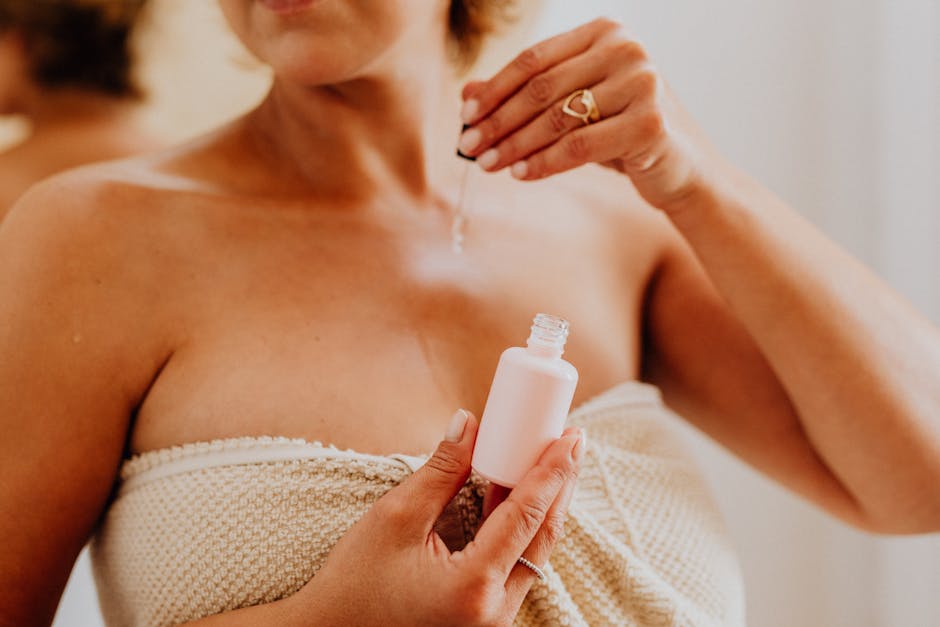
Vitamin C serums are a popular choice for morning use. They neutralize free radicals, brighten skin, and boost collagen production. Apply a few drops to clean, dry skin and allow absorption before moving to the next step.
Tip: Look for L-ascorbic acid at concentrations between 10–20%. Store in a cool, dark place to prevent oxidation.
Step 3: Moisturize
Even oily skin needs hydration. A lightweight, non-comedogenic moisturizer helps maintain the skin’s moisture barrier. Choose formulas with ceramides, niacinamide, or squalane for added repair and soothing benefits.
Step 4: Sunscreen (Non-Negotiable)
Apply broad-spectrum SPF 30 or higher every single day—rain or shine. UV exposure is the leading cause of premature aging, dark spots, and skin cancer. Reapply every two hours if outdoors.
Warning: Skipping sunscreen undermines all other efforts. No amount of serums or masks can reverse sun damage effectively.
Evening Routine: Repair and Renew
Nighttime is when skin regenerates most actively. This is the ideal window to address concerns like acne, hyperpigmentation, or dryness with targeted treatments.
Step 1: Double Cleanse (If Wearing Makeup or Sunscreen)
Start with an oil-based cleanser to dissolve makeup, sunscreen, and sebum. Follow with a water-based cleanser to remove sweat and impurities. This two-step method ensures a thorough clean without over-drying.
Example: Use a micellar water or cleansing balm first, then a foaming or gel cleanser.
Step 2: Toner (Optional but Beneficial)
A hydrating or exfoliating toner can restore pH balance and prep skin for serums. Avoid alcohol-based toners, which can be drying. Opt for ingredients like witch hazel, rose water, or glycolic acid (for exfoliation).
Step 3: Treatment Serums
This is where you address specific concerns:
- Retinoids: For anti-aging and acne. Start with low concentrations (e.g., 0.25% retinol) and use 2–3 times per week to avoid irritation.
- Niacinamide: Reduces redness, minimizes pores, and regulates oil.
- Hyaluronic Acid: Draws moisture into the skin for plumping and hydration.
Caution: Introduce one active at a time and monitor for sensitivity. Never mix retinol with vitamin C in the same routine—use vitamin C in the AM, retinol in the PM.
Step 4: Night Moisturizer or Face Oil
Use a richer moisturizer at night to support repair. Ingredients like peptides, ceramides, and squalane help rebuild the skin barrier. For very dry skin, a facial oil (e.g., jojoba or rosehip) can be layered over moisturizer.
Lifestyle Habits That Support Glowing Skin
Topical products are only part of the equation. Exploring glowing skin daily routine reveals important insights. Internal health and daily habits significantly influence skin appearance.
Hydration
Drink at least 2 liters of water daily. Dehydration can make skin look dull and accentuate fine lines. Herbal teas and water-rich foods (cucumbers, watermelon) also contribute.
Diet
Focus on whole foods rich in antioxidants, healthy fats, and vitamins:
- Omega-3s: Found in salmon, walnuts, and flaxseeds—reduce inflammation.
- Vitamin E: Almonds, sunflower seeds, and spinach protect against oxidative stress.
- Vitamin A: Sweet potatoes, carrots, and leafy greens support cell turnover.
Avoid: Excess sugar and processed foods, which can trigger breakouts and glycation (a process that damages collagen).
Sleep
Aim for 7–9 hours of quality sleep. During deep sleep, the body releases growth hormones that repair skin cells. Poor sleep leads to puffiness, dark circles, and a dull complexion.
Stress Management
Chronic stress increases cortisol, which can worsen acne, eczema, and accelerate aging. Incorporate mindfulness, yoga, or deep breathing into your day.
Exercise
Regular physical activity boosts circulation, delivering oxygen and nutrients to skin cells. Just remember to cleanse after sweating to prevent clogged pores.
Seasonal Adjustments to Your Routine
Skin needs change with the weather. Adapt your daily beauty and wellness routine for glowing skin accordingly.
Winter
Cold air and indoor heating can dehydrate skin. Switch to a richer moisturizer, use a humidifier, and avoid hot showers. Continue sunscreen—UV rays reflect off snow.
Summer
Increased sweat and oil production may require lighter textures. Use gel-based moisturizers, oil-free sunscreens, and consider a clay mask once a week to control shine.
Humid Climates
High humidity can make skin feel greasy. Opt for water-based products and avoid heavy creams unless needed.
Dry Climates
Low humidity pulls moisture from the skin. Layer hydrating serums under moisturizer and use occlusive ingredients like petrolatum at night.
Common Mistakes to Avoid
- Over-exfoliating: More than 2–3 times per week can damage the skin barrier. Signs include redness, tightness, and increased sensitivity.
- Using too many products: Layering multiple actives (e.g., retinol + AHA + vitamin C) can cause irritation. Stick to 2–3 key treatments.
- Ignoring patch testing: Always test new products on a small area (like behind the ear) for 24–48 hours.
- Sleeping with makeup: Residue clogs pores and accelerates aging. Make double cleansing a habit.
- Expecting overnight results: Most improvements take 4–6 weeks of consistent use. Be patient and track changes.
Product Selection Tips
Not all products are created equal. Here’s how to choose wisely:
- Read labels: Avoid fragrances, alcohol, and parabens if you have sensitive skin.
- Check expiration dates: Serums with active ingredients lose potency over time.
- Match to skin type:
- Oily: Non-comedogenic, mattifying formulas
- Dry: Cream-based, occlusive moisturizers
- Sensitive: Fragrance-free, minimal ingredients
- Combination: Gel-creams, targeted treatments
- Patch test new items: Apply behind the ear or on the jawline first.
When to See a Dermatologist
While a daily routine helps most people, some conditions require professional care. Consult a dermatologist if you experience:
- Persistent acne that doesn’t respond to OTC treatments
- Sudden rashes, itching, or swelling
- Hyperpigmentation that worsens or doesn’t fade
- Suspicious moles or skin changes
- Chronic dryness or eczema flare-ups
A dermatologist can prescribe stronger treatments like tretinoin, antibiotics, or laser therapy when needed.
Sample Routine Table
| Time | Step | Product Type | Key Ingredients |
|---|---|---|---|
| Morning | Cleanser | Gentle gel or cream | Glycerin, hyaluronic acid |
| Serum | Vitamin C | L-ascorbic acid (10–20%) | |
| Moisturizer | Lightweight lotion | Ceramides, niacinamide | |
| Sunscreen | Broad-spectrum SPF 30+ | Zinc oxide, avobenzone | |
| Evening | First Cleanse | Oil or balm | Jojoba oil, caprylic triglyceride |
| Second Cleanse | Foaming or gel | Salicylic acid (optional) | |
| Toner | Hydrating or exfoliating | Glycolic acid, rose water | |
| Treatment Serum | Retinol or niacinamide | Retinol (0.25–1%), niacinamide (5%) | |
| Moisturizer | Night cream or oil | Ceramides, peptides, squalane |
Final Thoughts
A daily beauty and wellness routine for glowing skin doesn’t require a cabinet full of products or hours of effort. It’s about consistency, smart choices, and listening to your skin. Start with the basics—cleanse, treat, moisturize, protect—and build from there. Combine topical care with healthy lifestyle habits for the best results. Over time, your skin will reflect the care you give it: radiant, resilient, and healthy.
FAQ
How long does it take to see results from a new skincare routine?
Most people notice improvements in texture and hydration within 2–4 weeks. Visible changes in tone, acne, or fine lines typically take 6–8 weeks of consistent use.
Can I skip moisturizer if I have oily skin?
No. Even oily skin needs hydration. Skipping moisturizer can trigger excess oil production as the skin tries to compensate. Use a lightweight, non-comedogenic formula instead.
Is it okay to use the same routine in summer and winter?
Not ideal. Skin needs change with the seasons. Adjust product textures and hydration levels—lighter in summer, richer in winter—to maintain balance.