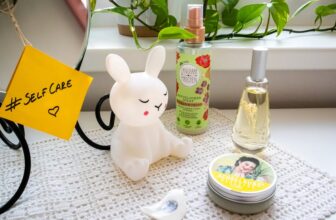
Beauty and Wellness Tips for Natural Skin Care Routine
Maintaining healthy, glowing skin doesn’t require a cabinet full of synthetic products. A natural skin care routine rooted in simple, effective habits can deliver lasting results. Beauty and wellness tips for natural skin care routine emphasize consistency, ingredient awareness, and lifestyle alignment. By focusing on gentle cleansing, hydration, sun protection, and nourishment from within, you can support your skin’s natural balance. This guide outlines practical steps, ingredient insights, and daily practices that promote clear, resilient skin—without harsh chemicals or unnecessary complexity.
Why Choose a Natural Skin Care Routine?
Many commercial skin care products contain sulfates, parabens, synthetic fragrances, and alcohol—ingredients that may disrupt your skin’s microbiome or cause irritation over time. A natural approach prioritizes plant-based, non-toxic ingredients that work with your skin rather than against it. For example, aloe vera soothes inflammation, honey offers antibacterial properties, and jojoba oil closely mimics your skin’s natural sebum. Choosing natural doesn’t mean sacrificing effectiveness; it means making informed decisions that support long-term skin health.
Key Benefits of Going Natural
- Reduced irritation: Fewer synthetic additives mean less risk of redness, dryness, or allergic reactions.
- Environmental sustainability: Natural products often come in recyclable packaging and use ethically sourced ingredients.
- Long-term skin resilience: Supporting your skin barrier with gentle care helps prevent premature aging and sensitivity.
Building Your Natural Skin Care Routine: Step by Step
A well-structured routine doesn’t need to be complicated. Start with the basics: cleanse, tone, moisturize, and protect. Each step should serve a clear purpose and use ingredients that align with your skin type.
Step 1: Gentle Cleansing
Cleansing removes dirt, oil, and pollutants without stripping your skin. Over-cleansing or using harsh soaps can damage the moisture barrier, leading to dryness or excess oil production.
- Morning: Use lukewarm water and a mild cleanser. For oily skin, try a honey-based cleanser. For dry skin, opt for a cream cleanser with oat extract.
- Evening: Double cleanse if you wear makeup or sunscreen. Start with an oil-based cleanser (like jojoba or sunflower oil) to dissolve impurities, followed by a water-based cleanser.
Example: Mix 1 tablespoon of raw honey with a few drops of lemon juice for a DIY cleanser that brightens and cleanses—use 2–3 times per week to avoid over-drying.
Step 2: Toning for Balance
Toning restores your skin’s pH after cleansing and preps it for moisturizer. Avoid alcohol-based toners, which can be overly drying.
- DIY Rose Water Toner: Spritz pure rose water after cleansing. It hydrates and has mild astringent properties.
- Green Tea Toner: Brew cooled green tea, let it cool, and apply with a cotton pad. Rich in antioxidants, it helps reduce puffiness and inflammation.
Warning: Avoid using apple cider vinegar undiluted—it’s too acidic and can irritate sensitive skin. Always dilute 1 part vinegar to 3 parts water if used.
Step 3: Moisturizing with Purpose
Moisturizing locks in hydration and supports the skin barrier. Natural oils and butters can be highly effective when chosen correctly.
| Skin Type | Recommended Natural Moisturizers |
|---|---|
| Dry | Shea butter, avocado oil, squalane |
| Oily | Jojoba oil, grapeseed oil, aloe vera gel |
| Combination | Lightweight oils like rosehip or hemp seed oil |
| Sensitive | Calendula-infused oil, chamomile cream |
Apply moisturizer to damp skin to enhance absorption. For daytime, choose lighter formulations; at night, richer creams can support repair.
Step 4: Sun Protection Is Non-Negotiable
Even natural routines must include sun protection. UV exposure is the leading cause of premature aging, dark spots, and skin damage.
- Mineral sunscreens with zinc oxide or titanium dioxide are natural-friendly options. They sit on the skin’s surface and reflect UV rays without penetrating deeply.
- Reapply every 2 hours when outdoors, even on cloudy days.
- Wear wide-brimmed hats and seek shade during peak hours (10 a.m. to 4 p.m.).
Note: While some oils like raspberry seed oil have mild SPF properties, they are not sufficient alone. Always use a dedicated sunscreen.
Nourishing Your Skin from Within
Skin health starts internally. What you eat, drink, and how you manage stress directly impacts your complexion.
Hydration: The Foundation of Glowing Skin
Dehydrated skin appears dull, flaky, and more prone to wrinkles. Aim for at least 8 cups (64 ounces) of water daily. Boost hydration with water-rich foods like cucumbers, watermelon, and oranges.
Pro tip: Add a slice of lemon or cucumber to your water for a refreshing twist and a boost of vitamin C.
Skin-Loving Nutrients
Certain vitamins and minerals play key roles in skin repair and protection:
- Vitamin C: Found in citrus fruits, bell peppers, and broccoli. Supports collagen production and brightens skin.
- Vitamin E: Present in almonds, sunflower seeds, and avocados. Acts as an antioxidant and protects against oxidative stress.
- Omega-3 fatty acids: Salmon, chia seeds, and walnuts reduce inflammation and support skin elasticity.
- Zinc: Pumpkin seeds and lentils help regulate oil production and heal breakouts.
A balanced diet rich in whole foods provides these nutrients naturally—no supplements needed unless advised by a healthcare provider.
Lifestyle Factors That Affect Skin
Even the best topical routine can’t compensate for poor sleep, chronic stress, or smoking.
- Sleep: Aim for 7–9 hours nightly. During deep sleep, your skin regenerates and repairs damage.
- Stress management: High cortisol levels can trigger breakouts and accelerate aging. Try meditation, yoga, or deep breathing exercises.
- Exercise: Regular movement boosts circulation, delivering oxygen and nutrients to skin cells.
- Avoid smoking and excessive alcohol: Both dehydrate the skin and contribute to premature aging.
Natural Ingredients to Embrace (and Avoid)
Not all “natural” ingredients are safe or effective. Some can cause irritation, especially when used improperly.
Top Natural Ingredients to Use
- Aloe Vera: Soothes sunburns and calms irritated skin. Use pure gel from the plant or a trusted product.
- Tea Tree Oil: Powerful antimicrobial for acne-prone skin. Always dilute to 5% or less (1 drop per teaspoon of carrier oil).
- Turmeric: Anti-inflammatory and brightening. Mix with honey or yogurt for a weekly mask—rinse thoroughly to avoid staining.
- Oatmeal: Gentle exfoliant and soothing agent. Use in a bath or as a paste for sensitive skin.
Ingredients to Use with Caution
- Lemon juice: Highly acidic and photosensitizing. Can cause burns or dark spots when exposed to sunlight.
- Undiluted essential oils: Can irritate or trigger allergies. Always dilute and patch test.
- Baking soda: Too alkaline for skin pH. Can disrupt the moisture barrier and cause micro-tears.
Patch test: Before using any new ingredient, apply a small amount to your inner arm and wait 24 hours to check for reactions.
Seasonal Adjustments for Your Routine
Your skin’s needs change with the seasons. Adapting your routine ensures continued effectiveness.
Winter Skin Care
Cold air, indoor heating, and wind can strip moisture. Focus on hydration and barrier repair.
- Switch to a richer moisturizer with shea butter or ceramides.
- Use a humidifier to add moisture to indoor air.
- Limit hot showers, which can dry out skin.
Summer Skin Care
Heat, sweat, and sun exposure increase oil production and risk of clogged pores.
- Use a lighter, gel-based moisturizer.
- Cleanse more frequently if sweating heavily.
- Reapply sunscreen often, especially after swimming.
Spring and Fall Transitions
These seasons call for balance. Gradually adjust products as your skin adapts to temperature and humidity shifts.
- Introduce antioxidant serums (like vitamin C) in spring to combat pollution.
- In fall, begin layering hydrating toners and oils to prep for winter.
Common Mistakes to Avoid
Even with the best intentions, missteps can undermine your efforts.
- Over-exfoliating: Limit physical or chemical exfoliation to 1–2 times per week. Overuse leads to redness and sensitivity.
- Mixing incompatible ingredients: Avoid combining retinoids with vitamin C or AHAs/BHAs unless guided by a dermatologist.
- Skipping sunscreen on cloudy days: Up to 80% of UV rays penetrate clouds.
- Using expired products: Natural products often lack preservatives and spoil faster. Check dates and store properly.
When to See a Dermatologist
While natural routines help maintain healthy skin, they aren’t a substitute for medical care. Consult a dermatologist if you experience:
- Persistent acne, rosacea, or eczema
- Unusual moles or skin changes
- Severe dryness, itching, or rashes
- Signs of infection (pus, swelling, fever)
A professional can help determine if an underlying condition requires treatment beyond topical care.
Final Thoughts on Natural Skin Care
A natural skin care routine isn’t about perfection—it’s about consistency, awareness, and kindness to your skin. By choosing gentle, nourishing ingredients and supporting your skin with healthy habits, you create a foundation for long-term wellness. Beauty and wellness tips for natural skin care routine remind us that radiant skin comes not from expensive products, but from daily choices that honor your body’s natural processes.
FAQ
Q: Can I use natural oils directly on my face?
A: Yes, but choose oils suited to your skin type. Jojoba, rosehip, and argan oil are generally safe for facial use. Always patch test first and avoid applying heavy oils like coconut oil if you’re acne-prone.
Q: How long does it take to see results from a natural skin care routine?
A: Most people notice improvements in hydration and texture within 2–4 weeks. Significant changes, like reduced acne or fading dark spots, may take 6–8 weeks of consistent use.
Q: Are DIY skin care recipes safe?
A: Some are, but not all. Avoid recipes with highly acidic ingredients (like lemon juice) or abrasive substances (like sugar scrubs on sensitive skin). Stick to simple, well-researched combinations and always patch test.