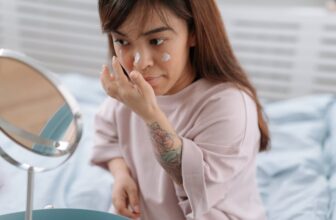
Beauty and Wellness Tips for Healthy Skin and Glow
Healthy, glowing skin isn’t just the result of expensive creams or treatments—it starts with consistent care, smart lifestyle choices, and understanding your skin’s unique needs. Exploring healthy glowing skin reveals important insights. The most effective beauty and Wellness Tips for Healthy skin and glow combine science-backed skincare practices with holistic habits that support skin health from the inside out. Whether you’re dealing with dryness, breakouts, or dullness, the right routine can make a noticeable difference. This guide covers essential steps, from cleansing and moisturizing to diet and stress management, to help you achieve radiant, resilient skin naturally.
Understanding Your Skin Type
Before choosing products or building a routine, it’s crucial to identify your skin type. Skin generally falls into one of five categories: normal, dry, oily, combination, or sensitive. Each type responds differently to ingredients and environmental factors.
- Normal skin feels balanced—not too oily or dry—with minimal imperfections and a smooth texture.
- Dry skin often feels tight, flaky, or rough, especially after washing. It may appear dull and is prone to fine lines.
- Oily skin tends to shine within hours of cleansing, with enlarged pores and a higher likelihood of acne.
- Combination skin features an oily T-zone (forehead, nose, chin) and normal to dry cheeks.
- Sensitive skin reacts easily to products, weather, or stress, often showing redness, itching, or stinging.
To determine your skin type, wash your face with a gentle cleanser and wait one hour without applying anything. Observe how your skin feels and looks. This simple test helps you choose products that work with your skin, not against it.
Daily Skincare Routine: The Foundation of Glowing Skin
A consistent daily routine is the cornerstone of healthy skin. Most dermatologists recommend a simple three-step regimen: cleanse, treat, and moisturize—followed by sun protection in the morning.
Morning Routine
- Cleansing: Use a mild, pH-balanced cleanser to remove overnight buildup without stripping natural oils. Avoid harsh soaps that disrupt your skin barrier.
- Toning (optional): A hydrating toner with ingredients like hyaluronic acid or glycerin can prep skin for better absorption of serums.
- Treatment: Apply a vitamin C serum to brighten skin and protect against environmental damage. Look for L-ascorbic acid in concentrations between 10–20%.
- Moisturizing: Choose a lightweight, non-comedogenic moisturizer that suits your skin type. Even oily skin needs hydration.
- Sunscreen: Apply broad-spectrum SPF 30 or higher every day, regardless of weather. UV exposure is the leading cause of premature aging and hyperpigmentation.
Evening Routine
- Double Cleanse (if wearing makeup or sunscreen): Start with an oil-based cleanser to dissolve makeup and sunscreen, followed by a water-based cleanser to remove sweat and debris.
- Toning: Reapply toner if desired.
- Treatment: Use active ingredients like retinol (for anti-aging and cell turnover) or niacinamide (for oil control and pore refinement). Start slowly—2–3 times per week—to avoid irritation.
- Moisturizing: Apply a richer moisturizer at night to support skin repair. Look for ceramides, peptides, or squalane.
Consistency matters more than complexity. Stick to your routine for at least 4–6 weeks before evaluating results.
Key Ingredients for Radiant Skin
Not all skincare ingredients are created equal. Focus on proven actives that deliver measurable benefits.
| Ingredient | Benefit | Best For |
|---|---|---|
| Hyaluronic Acid | Holds up to 1,000 times its weight in water, plumping skin and reducing fine lines | All skin types, especially dry |
| Niacinamide | Reduces redness, minimizes pores, regulates oil production | Oily, acne-prone, sensitive |
| Retinol | Boosts collagen, speeds cell turnover, fades dark spots | Aging, acne-prone, uneven texture |
| Vitamin C | Brightens skin, evens tone, protects from free radicals | Dull, sun-damaged, hyperpigmented |
| Ceramides | Restore skin barrier, lock in moisture | Dry, sensitive, compromised barrier |
When introducing new actives, patch test first and use them on alternate days to minimize irritation. Layering too many strong ingredients at once can damage your skin barrier.
Diet and Hydration: Fueling Your Skin from Within
Your skin reflects your internal health. What you eat and drink plays a significant role in its appearance and resilience.
Prioritize a balanced diet rich in antioxidants, healthy fats, and essential vitamins. Key nutrients include:
- Vitamin C: Found in citrus fruits, bell peppers, and broccoli. Supports collagen production and protects against oxidative stress.
- Vitamin E: Present in almonds, sunflower seeds, and avocados. Works with vitamin C to protect skin from UV damage.
- Omega-3 fatty acids: Abundant in fatty fish (salmon, mackerel), flaxseeds, and walnuts. Help maintain skin’s lipid barrier and reduce inflammation.
- Zinc: Found in legumes, nuts, and whole grains. Supports wound healing and regulates oil production.
- Water: Aim for 1.5–2 liters daily. Proper hydration maintains skin elasticity and flushes out toxins.
Limit processed sugars and high-glycemic foods (like white bread and sugary snacks), which can trigger inflammation and accelerate aging. Dairy may also worsen acne in some individuals—consider reducing intake if you notice breakouts.
Lifestyle Habits That Support Skin Health
Beyond products and food, daily habits influence your skin’s glow.
Sleep Quality
During deep sleep, your skin repairs itself and regenerates cells. Aim for 7–9 hours per night. Poor sleep leads to increased cortisol (stress hormone), which can cause breakouts, puffiness, and dullness.
Stress Management
Chronic stress triggers inflammation and worsens conditions like acne, eczema, and rosacea. Incorporate stress-reducing practices such as meditation, deep breathing, yoga, or regular walks in nature.
Exercise
Regular physical activity boosts circulation, delivering oxygen and nutrients to skin cells. It also helps regulate hormones and reduce stress. Just remember to cleanse your skin after sweating to prevent clogged pores.
Avoid Smoking and Limit Alcohol
Smoking reduces blood flow to the skin, depleting oxygen and nutrients. It also breaks down collagen and elastin, leading to premature wrinkles. Alcohol dehydrates the body and can cause redness and puffiness.
Sun Protection: The Most Important Step
No skincare routine is complete without sun protection. Exploring healthy glowing skin reveals important insights. Ultraviolet (UV) radiation from the sun is responsible for up to 80% of visible skin aging, including wrinkles, dark spots, and loss of elasticity.
Use a broad-spectrum sunscreen with SPF 30 or higher every single day—even on cloudy days or when indoors near windows. Reapply every two hours if outdoors.
Physical sunscreens (with zinc oxide or titanium dioxide) sit on the skin’s surface and reflect UV rays. Chemical sunscreens absorb UV radiation and convert it into heat. Choose based on your skin type and sensitivity.
Don’t forget often-missed areas: ears, neck, hands, and lips. A lip balm with SPF protects against chapping and sun damage.
When to See a Dermatologist
While most skin concerns can be managed at home, some conditions require professional care. Consult a dermatologist if you experience:
- Persistent acne that doesn’t respond to over-the-counter treatments
- Sudden changes in moles (asymmetry, irregular borders, color variation)
- Severe dryness, itching, or rashes that interfere with daily life
- Signs of infection (pus, swelling, fever)
- Hair loss or unusual skin growths
Early intervention can prevent long-term damage and improve outcomes. A dermatologist can also recommend prescription treatments like tretinoin, antibiotics, or laser therapy tailored to your needs.
Common Skincare Myths Debunked
Misinformation spreads quickly in the beauty world. Here are a few myths worth clarifying:
- “Oily skin doesn’t need moisturizer.” False. Skipping moisturizer can signal your skin to produce even more oil. Use a lightweight, oil-free formula.
- “Natural products are always better.” Not necessarily. “Natural” doesn’t mean safe or effective. Some plant extracts can irritate sensitive skin.
- “You need to exfoliate every day.” Over-exfoliation damages the skin barrier. Most people benefit from 1–3 times per week, depending on skin type and product strength.
- “Expensive products work better.” Price doesn’t guarantee results. Many affordable brands use the same active ingredients as luxury lines.
Building a Sustainable Routine
Achieving healthy skin isn’t about quick fixes—it’s about long-term habits. Start small: focus on cleansing, moisturizing, and sun protection before adding serums or treatments.
Rotate products seasonally. Skin may need more hydration in winter and lighter formulas in summer. Listen to your skin—adjust when it feels tight, irritated, or overly shiny.
Keep your tools clean. Wash makeup brushes weekly and replace sponges monthly to prevent bacterial buildup. Store skincare in cool, dry places away from direct sunlight to preserve potency.
Beauty and Wellness Tips for Healthy Skin and Glow: Final Takeaways
Glowing, healthy skin comes from a combination of consistent care, smart product choices, and supportive lifestyle habits. Focus on protecting your skin barrier, nourishing your body, and managing stress. Remember, results take time—be patient and kind to your skin.
The most effective beauty and wellness tips for healthy skin and glow aren’t about chasing trends, but about building a routine that works for you and sticking to it. With the right foundation, your skin can look and feel its best at any age.
FAQ
How often should I exfoliate?
Most people should exfoliate 1–3 times per week. Over-exfoliating can damage your skin barrier, leading to irritation and increased sensitivity. Choose gentle chemical exfoliants like lactic acid or salicylic acid over harsh scrubs.
Can diet really affect my skin?
Yes. A diet high in antioxidants, healthy fats, and water supports skin health, while excessive sugar and processed foods may contribute to inflammation and breakouts. Individual responses vary, but nutrition plays a key role in long-term skin appearance.
Is it necessary to use sunscreen indoors?
Yes, if you’re near windows. UVA rays penetrate glass and contribute to aging and pigmentation. If you spend time by a window during the day, apply SPF or use protective window films.