Beauty and Wellness Tips for Self Care and Beauty Care
Taking care of yourself isn’t just about looking good—it’s about feeling balanced, energized, and confident. Beauty and wellness go hand in hand, and a consistent self-care routine supports both inner health and outer radiance. Whether you’re new to self-care or looking to refine your habits, these practical tips will help you build a sustainable routine that nurtures your body, mind, and skin. From skincare basics to stress management, this guide covers essential practices that deliver real results.
Why Beauty and Wellness Matter
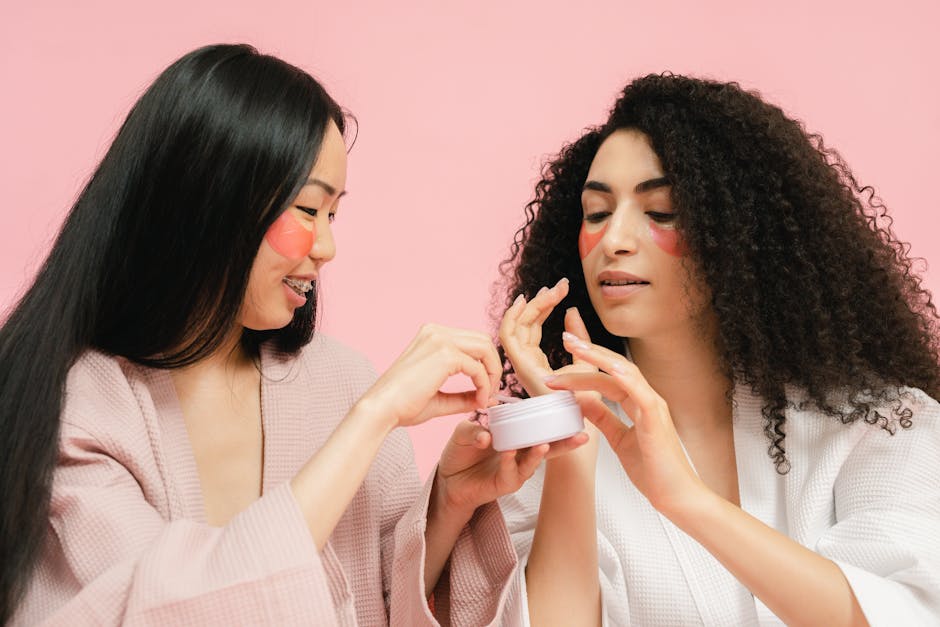
Beauty isn’t only skin deep. True wellness combines physical health, mental clarity, and emotional balance. When you prioritize self-care, you’re not indulging—you’re investing in long-term health. Studies show that people who maintain regular wellness routines report higher energy, better sleep, and improved mood. A holistic approach to beauty means treating your skin, body, and mind with equal attention.
Many confuse self-care with luxury, but it’s actually about consistency. Simple daily habits—like drinking enough water or getting enough sleep—have a bigger impact than occasional spa treatments. The goal is to create routines that fit your lifestyle and support your overall well-being.
Building a Daily Skincare Routine
A solid skincare routine is the foundation of any beauty care plan. It doesn’t need to be complicated—just effective and consistent. Start with the basics: cleanse, moisturize, and protect.
Cleanse Gently, Twice a Day
Washing your face removes dirt, oil, and makeup that build up throughout the day. Use a gentle cleanser suited to your skin type—gel for oily skin, cream for dry, and foam for combination. Avoid hot water, which can strip natural oils. Rinse with lukewarm water and pat dry with a clean towel.
Over-cleansing can damage your skin barrier. Stick to morning and night unless you’ve been sweating heavily. If you wear makeup, consider double cleansing: an oil-based cleanser first, followed by a water-based one.
Moisturize to Maintain Balance
Moisturizing keeps your skin hydrated and supports its natural barrier. Even oily skin needs moisture—look for lightweight, non-comedogenic formulas. Apply moisturizer while your skin is still slightly damp to lock in hydration.
For daytime, choose a moisturizer with SPF 30 or higher. At night, opt for richer formulas with ingredients like hyaluronic acid or ceramides to repair and replenish.
Sun Protection Is Non-Negotiable
UV exposure is the leading cause of premature aging, including wrinkles, dark spots, and loss of elasticity. Apply broad-spectrum sunscreen every morning, even on cloudy days or when indoors near windows. Reapply every two hours if you’re outside.
Look for mineral sunscreens with zinc oxide or titanium dioxide if you have sensitive skin. Chemical sunscreens absorb UV rays but may irritate some skin types. Choose based on your tolerance and lifestyle.
Nutrition’s Role in Beauty and Wellness
What you eat directly affects your skin, hair, and energy levels. A balanced diet rich in whole foods supports cellular repair and reduces inflammation. Think of food as fuel for your body’s largest organ—your skin.
Hydrate from the Inside Out
Water keeps your skin plump and helps flush out toxins. Aim for at least 8 cups (64 ounces) daily, more if you’re active or live in a dry climate. Herbal teas and water-rich foods like cucumbers and watermelon also count.
Dehydration shows up as dull skin, fine lines, and fatigue. Keep a water bottle nearby as a visual reminder. Add lemon or mint for flavor if plain water feels boring.
Eat for Glowing Skin
Foods high in antioxidants, healthy fats, and vitamins promote a clear, radiant complexion. Include berries, leafy greens, nuts, fatty fish, and sweet potatoes in your meals. These provide vitamins A, C, E, and omega-3s—key players in skin health.
Avoid excessive sugar and processed foods, which can trigger breakouts and inflammation. While occasional treats are fine, consistency in clean eating yields the best results.
Supplements: When to Consider Them
Most nutrients should come from food, but supplements can fill gaps. Collagen peptides may support skin elasticity, while vitamin D aids immune function and mood. Omega-3s reduce inflammation, and probiotics support gut-skin health.
Always consult a healthcare provider before starting supplements. More isn’t always better—excess vitamins can cause side effects. Focus on quality brands with third-party testing.
Hair Care That Works
Healthy hair starts with a healthy scalp and proper care. Over-washing, heat styling, and harsh products can damage strands and slow growth. A simple, consistent routine makes a big difference.
Wash Strategically
Most people don’t need to shampoo daily. Over-washing strips natural oils, leading to dryness and breakage. Wash 2–3 times per week, adjusting based on your hair type and activity level.
Use sulfate-free shampoos to avoid irritation. Focus the lather on your scalp and let it rinse through the ends. Condition only the mid-lengths to tips to prevent buildup.
Protect from Heat and Damage
Heat tools like flat irons and blow dryers weaken hair over time. Always use a heat protectant spray before styling. Limit high-heat use to once or twice a week.
Air-dry when possible. If you must blow dry, use the cool setting and keep the dryer at least 6 inches from your hair. Avoid tight hairstyles that pull on the roots, like tight ponytails or braids.
Trim Regularly
Getting a trim every 6–8 weeks prevents split ends from traveling up the shaft. Even if you’re growing your hair, regular cuts maintain shape and health.
Use a wide-tooth comb on wet hair to minimize breakage. Apply a leave-in conditioner or hair oil to damp strands to reduce frizz and add shine.
Wellness Beyond the Surface
True beauty radiates from within. Mental and emotional well-being are just as important as skincare or diet. Stress, poor sleep, and lack of movement can sabotage even the best beauty routines.
Prioritize Sleep
Sleep is when your body repairs itself. Aim for 7–9 hours per night. During deep sleep, skin cells regenerate, and collagen production increases. Lack of sleep leads to dark circles, puffiness, and dullness.
Create a calming bedtime routine: dim the lights, avoid screens an hour before bed, and keep your room cool and dark. Consider a silk pillowcase to reduce friction on skin and hair.
Move Your Body Daily
Exercise boosts circulation, delivering oxygen and nutrients to skin cells. It also reduces stress hormones that can trigger breakouts and aging. You don’t need intense workouts—walking, yoga, or dancing count.
Aim for 30 minutes of movement most days. Post-workout, cleanse your face to remove sweat and bacteria. Stay hydrated and wear sunscreen if exercising outdoors.
Manage Stress Effectively
Chronic stress shows up on your skin as acne, eczema, or premature aging. Practice mindfulness, deep breathing, or journaling to calm your mind. Even five minutes of quiet reflection can reset your nervous system.
Hobbies, time in nature, and connecting with loved ones also reduce stress. Avoid over-scheduling and give yourself permission to rest.
DIY Beauty Treatments You Can Trust
You don’t need expensive products for effective beauty care. Many natural ingredients found at home can enhance your routine. Always patch-test new ingredients to avoid reactions.
Homemade Face Masks
A honey and oatmeal mask soothes and exfoliates. Mix 1 tablespoon of raw honey with 2 tablespoons of ground oats and a splash of water. Apply to clean skin, leave for 10–15 minutes, then rinse.
For oily skin, try a clay mask with apple cider vinegar. Mix 1 tablespoon of bentonite clay with enough vinegar to form a paste. Use once a week to draw out impurities.
Natural Hair Masks
Coconut oil deeply conditions dry hair. Warm 2–3 tablespoons and massage into your scalp and ends. Cover with a shower cap and leave for 30 minutes before shampooing.
For volume, rinse hair with diluted apple cider vinegar after shampooing. Mix 1 part vinegar with 4 parts water. It removes buildup and adds shine—use once a week.
Body Scrubs for Smooth Skin
Exfoliate 1–2 times a week to remove dead skin cells. Make a scrub with sugar, olive oil, and a few drops of essential oil. Gently massage in circular motions, then rinse.
Avoid over-exfoliating, which can cause irritation. Use gentle pressure and skip if you have open cuts or active breakouts.
When to Seek Professional Help
While self-care is powerful, some concerns require expert care. Don’t hesitate to consult a dermatologist, nutritionist, or therapist when needed.
Skin Conditions That Need Attention
Persistent acne, rosacea, eczema, or unusual moles should be evaluated by a dermatologist. Over-the-counter products may not be enough. Early treatment prevents scarring and long-term damage.
Professional treatments like chemical peels, microneedling, or laser therapy can enhance results—but only under medical supervision.
Hair and Scalp Issues
Sudden hair loss, itching, flaking, or scalp pain may signal an underlying condition like alopecia or seborrheic dermatitis. A dermatologist can diagnose and treat these effectively.
Avoid self-diagnosing or using strong products without guidance. What works for one person may worsen another’s condition.
Mental Health and Wellness
If stress, anxiety, or low mood interfere with daily life, talk to a mental health professional. Therapy, meditation apps, or support groups can provide tools for resilience.
Wellness isn’t selfish—it’s necessary. Seeking help is a sign of strength, not weakness.
Creating a Sustainable Self-Care Routine
The best routines are simple, enjoyable, and adaptable. You’re more likely to stick with habits that fit your lifestyle and bring you joy.
Start Small
Don’t overhaul your entire routine at once. Add one new habit per week—like drinking more water or applying sunscreen daily. Small changes build lasting results.
Track your progress in a journal or app. Celebrate consistency, not perfection.
Listen to Your Body
Your needs change with seasons, stress levels, and age. In winter, you may need richer moisturizers. During busy periods, shorten your routine but don’t skip it entirely.
Pay attention to how your skin and body respond. If a product causes redness or breakouts, discontinue use.
Make It Enjoyable
Self-care should feel good. Light a candle, play calming music, or use products with scents you love. Turn your routine into a ritual, not a chore.
Involve friends or family for accountability and fun. Try a weekly face mask night or a morning walk together.
Common Mistakes to Avoid
Even with the best intentions, it’s easy to fall into common traps. Avoid these pitfalls to get the most from your beauty and wellness efforts.
Over-Exfoliating
Exfoliating too often or using harsh scrubs damages the skin barrier. Limit physical exfoliation to 1–2 times per week. Chemical exfoliants like AHAs or BHAs should be used 2–3 times weekly, depending on tolerance.
Signs of over-exfoliation include redness, tightness, and increased sensitivity. Scale back if you notice these.
Using Too Many Products
Layering multiple serums, oils, and treatments can overwhelm your skin. Stick to a simple routine: cleanser, treatment (like vitamin C or retinol), moisturizer, and sunscreen.
Introduce new products one at a time, waiting 2–3 weeks to assess results. This helps identify what works—and what doesn’t.
Ignoring Ingredient Labels
Not all products are created equal. Avoid those with parabens, sulfates, synthetic fragrances, and alcohol if you have sensitive skin. Look for clean, transparent brands.
Check expiration dates and store products properly. Sunscreen loses effectiveness over time—replace it every year.
Final Thoughts
Beauty and wellness are lifelong journeys, not quick fixes. The most effective routines are built on consistency, self-awareness, and kindness toward yourself. Focus on progress, not perfection.
Remember, self-care isn’t about achieving an ideal—it’s about honoring your body and mind. When you feel good, you naturally look your best. Start where you are, use what you have, and do what you can. Small, daily choices add up to lasting change.
FAQ
How often should I exfoliate my skin?
Most people should exfoliate 1–2 times per week. Over-exfoliating can damage your skin barrier, leading to redness and sensitivity. Use gentle physical scrubs or chemical exfoliants like AHAs, and adjust based on your skin’s response.
Can diet really improve my skin?
Yes. A diet rich in antioxidants, healthy fats, and vitamins supports skin health from within. Foods like berries, fatty fish, and leafy greens reduce inflammation and promote glow. Staying hydrated and limiting sugar also make a noticeable difference.
Is it necessary to use sunscreen every day?
Yes. UV rays penetrate clouds and windows, contributing to premature aging and skin damage. Apply broad-spectrum SPF 30 or higher daily, even indoors near sunlight. Reapply every two hours when outside for best protection.