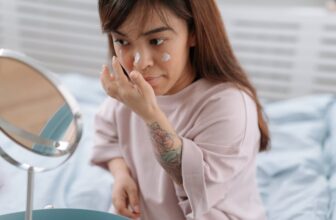
Beauty and Wellness Tips for Natural Glow and Radiance
Everyone wants healthy, glowing skin—but achieving that natural radiance starts from within. A radiant complexion isn’t just about serums and creams; it’s the result of consistent wellness habits, proper skincare, and lifestyle choices that support your body’s natural processes. This guide covers practical, science-backed beauty and wellness tips to help you cultivate a healthy glow without relying on heavy makeup or harsh treatments.
From hydration and nutrition to sleep and stress management, small daily changes can make a big difference. You’ll learn how to build a simple routine that enhances your skin’s texture, tone, and luminosity over time. Whether you’re dealing with dullness, dryness, or uneven pigmentation, these strategies are designed to support long-term skin health and overall well-being.

Hydration: The Foundation of Glowing Skin
Water is essential for every bodily function—including skin health. When you’re dehydrated, your skin can look tight, flaky, and lackluster. Drinking enough water helps maintain moisture balance, supports detoxification, and improves circulation, all of which contribute to a natural glow.
Most adults need about 2 to 3 liters of fluids per day, but individual needs vary based on activity level, climate, and body size. Don’t wait until you’re thirsty—thirst is already a sign of mild dehydration. Keep a reusable water bottle nearby and sip throughout the day.
Signs You’re Not Drinking Enough
Dry lips, dark urine, and persistent fatigue are common indicators of low fluid intake. Your skin may also feel rough or show early signs of aging, like fine lines, especially around the eyes and mouth.
If you struggle to drink plain water, try infusing it with cucumber, lemon, or mint. Herbal teas and water-rich foods like watermelon, celery, and oranges also count toward your daily intake.
Topical Hydration Matters Too
While internal hydration is crucial, your skin also needs external moisture. Use a gentle cleanser that doesn’t strip natural oils, followed by a hyaluronic acid serum and a moisturizer suited to your skin type.
Look for ingredients like glycerin, ceramides, and squalane—they help lock in moisture without clogging pores. Apply products to damp skin to maximize absorption.
Nutrition: Eat Your Way to Radiance
What you eat directly impacts your skin’s appearance. A diet rich in antioxidants, healthy fats, and essential vitamins can reduce inflammation, protect against environmental damage, and promote cell turnover.
Focus on whole, unprocessed foods: colorful vegetables, fruits, nuts, seeds, fatty fish, and whole grains. These provide the building blocks your skin needs to stay resilient and luminous.
Key Nutrients for Glowing Skin
Vitamin C brightens skin and supports collagen production. Find it in citrus fruits, bell peppers, strawberries, and broccoli. Vitamin E, found in almonds, sunflower seeds, and avocados, protects skin from oxidative stress.
Omega-3 fatty acids—present in salmon, chia seeds, and walnuts—help maintain the skin’s lipid barrier, reducing dryness and irritation. Zinc, in pumpkin seeds and lentils, supports healing and regulates oil production.
Foods to Limit
High-sugar and highly processed foods can trigger inflammation and break down collagen, leading to dullness and premature aging. Fried foods and excessive dairy may worsen acne in some people.
Moderation is key. You don’t need to eliminate these foods entirely, but reducing intake can lead to noticeable improvements in skin clarity and texture over time.
Skincare Routine: Simple Steps, Big Results
A consistent skincare routine doesn’t need to be complicated. In fact, overloading your skin with products can do more harm than good. Stick to a few effective steps tailored to your skin type.
Cleanse, treat, moisturize, and protect—that’s the core of any good regimen. Morning and evening routines may differ slightly, but consistency is what delivers results.
Morning Routine Essentials
Start with a gentle cleanser to remove overnight buildup. Follow with a vitamin C serum to brighten and protect against pollution. Apply a lightweight moisturizer and finish with SPF 30 or higher—even on cloudy days.
Sunscreen is non-negotiable. UV exposure is the leading cause of premature aging, including dark spots and wrinkles. Reapply every two hours if you’re outdoors.
Evening Routine for Repair
At night, your skin repairs itself. Use a slightly deeper cleanser to remove makeup, sunscreen, and pollutants. Consider a retinol product (start slowly) to boost cell turnover and smooth texture.
Follow with a nourishing moisturizer or night cream. Ingredients like peptides and niacinamide can improve elasticity and reduce redness over time.
Exfoliation: Less Is More
Exfoliating removes dead skin cells, revealing brighter skin underneath. But over-exfoliation can damage the skin barrier, causing sensitivity and breakouts.
Limit chemical exfoliants (like AHAs and BHAs) to 2–3 times per week. Physical scrubs should be used sparingly and gently. Listen to your skin—if it feels tight or stings, ease up.
Sleep: The Ultimate Beauty Treatment
Your skin regenerates most actively while you sleep. Poor sleep disrupts hormone balance, increases cortisol (a stress hormone), and slows healing—leading to dark circles, puffiness, and dullness.
Most adults need 7 to 9 hours of quality sleep per night. Create a calming bedtime routine: dim the lights, avoid screens an hour before bed, and keep your room cool and dark.
Sleep Position and Skin Health
Sleeping on your back is ideal for preventing sleep lines and puffiness. If you sleep on your side, use a silk or satin pillowcase to reduce friction and minimize wrinkles.
Elevating your head slightly with an extra pillow can also help reduce morning puffiness by improving lymphatic drainage.
Nighttime Skincare Boost
Apply skincare products 15–20 minutes before bed to allow full absorption. Avoid heavy creams if you’re prone to breakouts—opt for lightweight, non-comedogenic formulas instead.
Consider using a humidifier in dry climates or during winter months. It adds moisture to the air, preventing your skin from drying out overnight.
Stress Management: Calm Mind, Clear Skin
Chronic stress triggers inflammation and can worsen conditions like acne, eczema, and rosacea. It also disrupts sleep and appetite, creating a cycle that affects your skin’s appearance.
Managing stress isn’t just good for your mind—it’s essential for radiant skin. Simple practices can make a meaningful difference.
Daily Stress-Reduction Techniques
Deep breathing, meditation, or a 10-minute walk outdoors can lower cortisol levels. Apps like Calm or Headspace offer guided sessions for beginners.
Journaling before bed helps process thoughts and improve sleep quality. Even writing down three things you’re grateful for can shift your mindset.
Movement and Skin Health
Regular exercise increases blood flow, delivering oxygen and nutrients to skin cells. It also helps regulate hormones and reduce stress.
You don’t need intense workouts—yoga, brisk walking, or dancing count. Just aim for 30 minutes most days of the week. Shower soon after sweating to prevent clogged pores.
Lifestyle Habits That Enhance Radiance
Beyond diet and skincare, everyday choices influence your skin’s health. Small adjustments can compound over time, leading to noticeable improvements.
Smoking accelerates aging by breaking down collagen and reducing blood flow. Quitting is one of the best things you can do for your skin and overall health.
Limit Alcohol and Caffeine
Both alcohol and excess caffeine can dehydrate your body and disrupt sleep. If you drink alcohol, alternate with water and choose lower-sugar options like dry wine or spirits with soda water.
For caffeine, stick to moderate amounts—about 2–3 cups of coffee per day. Avoid drinking it late in the day to protect your sleep cycle.
Protect Your Skin from Pollution
Urban environments expose skin to pollutants that can cause oxidative stress and clog pores. Use antioxidant serums (like vitamin C) and cleanse thoroughly at night.
Consider a weekly clay mask to draw out impurities. Look for formulas with kaolin or bentonite clay, which are gentle yet effective.
When to See a Professional
While lifestyle changes can transform your skin, some concerns require expert guidance. Persistent acne, severe dryness, or sudden changes in texture or color should be evaluated by a dermatologist.
Professional treatments like chemical peels, microneedling, or laser therapy can enhance results—but they work best when paired with a solid at-home routine.
Don’t self-diagnose. What looks like dry skin could be eczema; redness might indicate rosacea. A proper diagnosis ensures you’re using the right products and avoiding triggers.
Building a Sustainable Routine
Consistency beats complexity. Choose products and habits you can maintain long-term. It’s better to do a simple routine every day than an elaborate one sporadically.
Start with the basics: cleanse, moisturize, and wear sunscreen. Add one new step at a time—like a serum or weekly mask—once your skin adjusts.
Track your progress with photos or a journal. Notice how your energy, sleep, and skin tone improve over weeks and months. Celebrate small wins.
Final Thoughts
A natural glow comes from balance—nourishing your body, protecting your skin, and managing stress. There’s no shortcut, but the results are lasting and authentic.
You don’t need expensive products or drastic measures. Focus on habits that support your overall wellness, and your skin will reflect that health from the inside out.
FAQ
How long does it take to see results from a new skincare routine?
Most people notice subtle improvements within 4 to 6 weeks. Skin cell turnover takes about 28 days, so give your routine time to work. Avoid switching products too quickly—consistency is key.
Can diet really affect my skin’s glow?
Yes. Nutrient-rich foods provide antioxidants and healthy fats that protect and repair skin. Diets high in sugar and processed foods may contribute to inflammation and breakouts in some individuals.
Is it necessary to use multiple serums in my routine?
Not necessarily. One or two targeted serums (like vitamin C in the morning and retinol at night) are often enough. Overloading can irritate skin. Focus on quality over quantity.