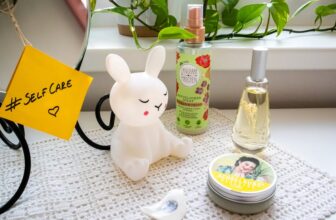
Beauty and Wellness Routine for Morning and Night Care
A consistent beauty and wellness routine for morning and night care is essential for healthy skin, balanced energy, and long-term well-being. Exploring morning and night skincare routine reveals important insights. Whether you’re aiming for glowing skin, better sleep, or improved mental clarity, aligning your daily habits with your body’s natural rhythms makes a measurable difference. This guide outlines a practical, science-backed approach to both morning and nighttime routines—covering skincare, hydration, movement, and mindfulness—so you can build sustainable habits that support your overall health.
Why a Daily Beauty and Wellness Routine Matters
Our bodies respond to consistency. Just as brushing your teeth twice a day prevents cavities, a structured morning and night routine helps regulate skin turnover, hormone balance, and stress levels. Skipping care steps—especially at night—can lead to clogged pores, dullness, and accelerated aging. Conversely, a thoughtful morning routine primes your skin and mind for the day ahead.
Research shows that circadian rhythms influence skin repair, oil production, and hydration. At night, cell regeneration peaks, making it the ideal time for targeted treatments. In the morning, protection from environmental stressors like UV rays and pollution becomes critical. A well-designed routine works with these natural cycles rather than against them.
Morning Routine: Energize and Protect
Your morning routine sets the tone for the day. It should be efficient, refreshing, and focused on protection and preparation.
Step 1: Gentle Cleansing
Start with lukewarm water and a mild, pH-balanced cleanser. Avoid harsh soaps that strip natural oils. If you have oily or acne-prone skin, a salicylic acid cleanser can help control shine. For dry or sensitive skin, opt for a creamy, fragrance-free formula.
Example: Use a gel cleanser with hyaluronic acid if you have combination skin. Rinse thoroughly and pat dry with a clean towel—never rub.
Step 2: Hydrate with Toner or Essence
A hydrating toner or essence preps your skin for better absorption of subsequent products. Look for ingredients like glycerin, niacinamide, or aloe vera. Apply with clean hands or a cotton pad, gently pressing into the skin.
Step 3: Apply Antioxidant Serum
Vitamin C serums are a morning staple. They neutralize free radicals from pollution and UV exposure, brighten skin, and boost collagen production. Apply a few drops to clean, dry skin, focusing on the face, neck, and décolletage.
Warning: Avoid mixing vitamin C with retinol or benzoyl peroxide in the same routine—they can degrade each other or cause irritation.
Step 4: Moisturize
Even oily skin needs moisture. Choose a lightweight, non-comedogenic moisturizer with SPF 30 or higher if possible. If your moisturizer doesn’t contain sunscreen, apply a separate broad-spectrum sunscreen as the final step.
Tip: For extra hydration, use a facial oil after moisturizer if you have dry skin—but only a few drops to avoid clogging pores.
Step 5: Sun Protection
Sunscreen is non-negotiable. UV exposure is the leading cause of premature aging, dark spots, and skin cancer. Use at least SPF 30 every day, even on cloudy days or when indoors near windows.
Reapplication: If you’re outside for extended periods, reapply every two hours. For daily use, one application in the morning is usually sufficient unless you’re sweating or swimming.
Bonus: Mindful Moment
Take 2–3 minutes to breathe deeply, stretch, or sip warm water with lemon. This simple practice reduces cortisol levels and improves focus. Consider a short meditation or gratitude journaling to center your mindset.
Night Routine: Repair and Rejuvenate
Nighttime is when your skin repairs itself. This is the best opportunity to use active ingredients that promote renewal without sun sensitivity.
Step 1: Remove Makeup and Impurities
Start with an oil-based cleanser or micellar water to dissolve makeup, sunscreen, and pollution. Follow with a water-based cleanser to ensure all residue is gone. Double cleansing prevents clogged pores and breakouts.
Example: Use a cleansing balm first, then a foaming cleanser. This method is especially effective for those who wear full-coverage makeup or SPF daily.
Step 2: Exfoliate (2–3 Times Per Week)
Chemical exfoliants like AHAs (glycolic, lactic acid) or BHAs (salicylic acid) remove dead skin cells and unclog pores. Use them 2–3 times weekly, not daily, to avoid irritation.
Warning: Avoid physical scrubs with large particles—they can cause micro-tears. Always follow with moisturizer to restore the skin barrier.
Step 3: Treat with Active Serums
Night is ideal for retinoids, peptides, or hyaluronic acid. Exploring morning and night skincare routine reveals important insights. Retinoids (like retinol) boost cell turnover and reduce fine lines but can cause dryness. Start slowly—once or twice a week—and increase frequency as your skin adapts.
Tip: Apply retinol after cleansing and wait 20 minutes before moisturizing to reduce irritation. Always use sunscreen the next day.
Step 4: Hydrate with Night Cream or Face Oil
Night creams are typically richer than daytime moisturizers, containing ingredients like ceramides, squalane, or peptides that support overnight repair. Apply in upward motions to the face, neck, and chest.
Example: A cream with niacinamide and ceramides helps strengthen the skin barrier and reduce redness.
Step 5: Don’t Forget Lips and Eyes
The eye area is delicate and prone to dryness and fine lines. Use a gentle eye cream with caffeine or peptides to reduce puffiness. Apply with your ring finger using light tapping motions.
For lips, a nourishing balm with shea butter or lanolin prevents chapping. Reapply before bed if needed.
Wellness Beyond Skincare
True beauty and wellness extend beyond topical products. Internal health reflects on your skin and energy levels.
Hydration
Drink water consistently throughout the day. Aim for at least 2 liters, more if you’re active or in a dry climate. Dehydration leads to dull skin, headaches, and fatigue.
Tip: Start your day with a glass of water to kickstart metabolism. Infuse with cucumber or mint for added freshness.
Nutrition
Eat a balanced diet rich in antioxidants, healthy fats, and protein. Foods like berries, leafy greens, nuts, and fatty fish support skin health and reduce inflammation.
Example: A breakfast of Greek yogurt with blueberries and chia seeds provides protein, probiotics, and omega-3s—ideal for morning wellness.
Sleep Quality
Aim for 7–9 hours of sleep per night. During deep sleep, growth hormone release peaks, aiding tissue repair. Poor sleep contributes to dark circles, puffiness, and breakouts.
Tip: Create a wind-down ritual: dim lights, avoid screens 1 hour before bed, and keep your bedroom cool and dark.
Movement and Stress Management
Regular exercise improves circulation, delivering oxygen and nutrients to skin cells. Even 20 minutes of walking daily makes a difference. Pair this with stress-reducing practices like yoga, deep breathing, or journaling.
Warning: Chronic stress elevates cortisol, which can trigger acne, hair loss, and premature aging. Prioritize mental health as part of your routine.
Customizing Your Routine
Not all routines fit everyone. Skin type, age, climate, and lifestyle influence what works best.
For Oily Skin
- Use gel-based cleansers and oil-free moisturizers.
- Incorporate niacinamide to regulate sebum.
- Avoid heavy oils and occlusive creams at night.
For Dry Skin
- Choose creamy cleansers and rich moisturizers with ceramides.
- Use a humidifier at night to prevent moisture loss.
- Apply facial oil (like jojoba or rosehip) after moisturizer.
For Sensitive Skin
- Patch test new products before full application.
- Avoid fragrances, alcohol, and strong actives.
- Stick to minimal, hypoallergenic formulations.
For Aging Skin
- Prioritize retinoids and peptides in your nighttime routine.
- Use vitamin C in the morning for antioxidant protection.
- Stay consistent—results take 4–6 weeks to appear.
Common Mistakes to Avoid
- Over-exfoliating: More isn’t better. Limit exfoliation to 2–3 times weekly.
- Mixing incompatible actives: Avoid using retinol and vitamin C together in the same routine.
- Skipping sunscreen: Even in winter or on cloudy days, UV rays penetrate windows and clouds.
- Using too many products: Simplify. A basic routine with proven ingredients often works better than a 10-step regimen.
- Ignoring neck and chest: These areas show age just like the face—include them in your routine.
Sample Routine Table
| Time | Step | Product Type | Key Ingredients |
|---|---|---|---|
| Morning | Cleanser | Gentle gel or foam | Hyaluronic acid, glycerin |
| Toner | Hydrating essence | Niacinamide, aloe | |
| Serum | Antioxidant serum | Vitamin C, ferulic acid | |
| Moisturizer | Lightweight lotion | Ceramides, squalane | |
| Sunscreen | Broad-spectrum SPF 30+ | Zinc oxide, avobenzone | |
| Night | Cleanser (double cleanse) | Oil + water-based | Cleansing balm, foaming wash |
| Exfoliant (2–3x/week) | Chemical exfoliant | AHAs, BHAs | |
| Serum | Treatment serum | Retinol, peptides | |
| Moisturizer | Night cream | Ceramides, hyaluronic acid | |
| Eye cream | Gentle formula | Caffeine, peptides | |
| Lip balm | Nourishing balm | Shea butter, lanolin |
Final Thoughts
Building a beauty and wellness routine for morning and night care isn’t about perfection—it’s about consistency and self-awareness. Start with the basics: cleanse, treat, moisturize, and protect. Adjust based on how your skin responds. Listen to your body, stay hydrated, eat well, and prioritize sleep. Over time, these habits compound into visible results: clearer skin, more energy, and a greater sense of well-being.
FAQ
How long does it take to see results from a new skincare routine?
Most people notice improvements in texture and hydration within 2–4 weeks. For concerns like acne or fine lines, it may take 6–8 weeks of consistent use. Be patient and avoid switching products too frequently.
Can I use the same products in the morning and at night?
Some products, like gentle cleansers and moisturizers, can be used twice daily. However, actives like retinol should only be used at night, and vitamin C is best reserved for mornings. Always check product instructions.
Is it okay to skip my nighttime routine if I’m tired?
While occasional misses won’t ruin your progress, regular skipping leads to buildup of oil, dirt, and makeup, which can cause breakouts and dullness. At minimum, cleanse and apply moisturizer—even a 2-minute routine is better than nothing.